

Appenzell lies among green meadows and rugged limestone peaks in eastern Switzerland, at the foot of the Alpstein. Its roots go back to the Middle Ages, and the community has kept a distinct identity shaped by centuries of independence, rural life and close ties to the land. The village is the seat of government of Appenzell Innerrhoden, a canton of fewer than 17,000 people, and it feels more like a market town than a political capital.
History and Heritage Appenzell’s history is marked by its unusual political structure and strong local autonomy. The canton of Appenzell Innerrhoden, for which the village is the capital, is famous for its Landsgemeinde, an open-air assembly where citizens gather once a year to vote by a show of hands, a tradition that reaches back to the 14th century. The village’s architecture reflects its heritage, with painted wooden houses and narrow lanes. Appenzell is also known for its folk culture, including yodelling, traditional dances and the colourful cattle processions that mark the changing of the alpine pastures, as well as the old New Year customs of the Silvesterchläuse in January.
Main Attractions The pedestrian centre of Appenzell is the main attraction, where visitors can admire painted facades, browse boutiques and try regional specialities in cosy cafés. The Appenzeller Schaukäserei in nearby Stein offers an interactive look at the region’s famous cheese-making, with tastings and demonstrations, and the brewery Locher, known for its local beers, welcomes visitors too. The Museum Appenzell offers insights into local history, crafts and customs. The village is a good place to try the local Biberli, a spiced pastry, and the herbal liqueur made in the region, both widely sold in the shops around the main square.
Appenzell is also a gateway to the Alpstein mountains. Iconic destinations include the Aescher Berggasthaus, a cliffside restaurant reached by scenic trails; Seealpsee, a turquoise alpine lake good for rowing or a swim; and the Schäfler ridge, known for panoramic views and dramatic sunsets. The Ebenalp cable car leads to the Wildkirchli caves, once home to hermits and a prehistoric site. The Kronberg and Hoher Kasten peaks are also popular for hiking, cable car rides and family outings.
Activities Outdoor adventure is central to the Appenzell experience. In summer there is a large network of hiking and mountain biking trails, from gentle valley walks to demanding alpine ascents. Hut-to-hut hiking is a highlight, allowing visitors to immerse themselves in the mountains and local hospitality. Swimming in Seealpsee, paragliding and guided nature walks are also popular. Swiss walkers often start early to reach the cliff restaurant before the crowds, then return by the lake and the cable car in the afternoon, which makes a full and varied day.
In winter Appenzell becomes a quiet snowy landscape, with cross-country skiing, snowshoeing and sledding in the surrounding hills. The village hosts seasonal festivals, markets and traditional events throughout the year.
Getting There Appenzell is reached by train from Zurich and St. Gallen, with regular connections via Gossau. The journey is scenic, passing through rolling countryside and pretty villages. By car, regional roads lead to the village, with parking on the outskirts to preserve its pedestrian centre.
Seasonal Advice May to October is the best period, when the weather is mild and the hiking trails are open. Summer brings alpine wildflowers, cattle processions and outdoor festivals, while autumn offers colourful foliage and quieter trails. Winter suits snow sports and cosy village stays, though some high routes close. In every season Appenzell’s charm, traditions and natural beauty make it rewarding for all kinds of visitors.
Best time to visit
May to October offers mild weather, open hiking trails, and vibrant village life—ideal for exploring Appenzell’s culture and alpine scenery.
What to see in Appenzell
Our picks first.
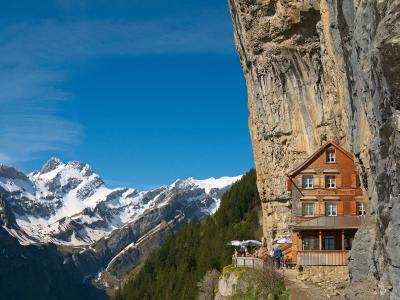
Aescher Cliff Restaurant
19th-century cliffside restaurant in Appenzell
Food & Gastronomy · Natural Wonders
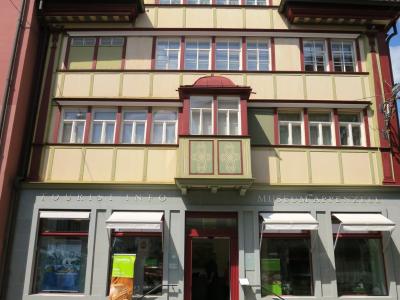
Appenzell Museum
Appenzell folk and everyday culture museum
Museums · Traditional Cuisine
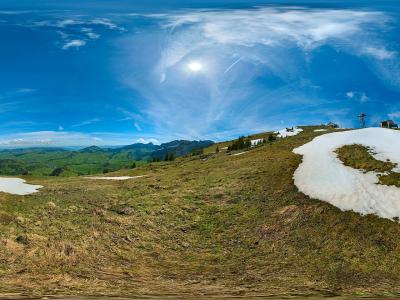
Ebenalp
Alpine cable car in Appenzell, Switzerland
From CHF 24 Activities & Adventure · Natural Wonders
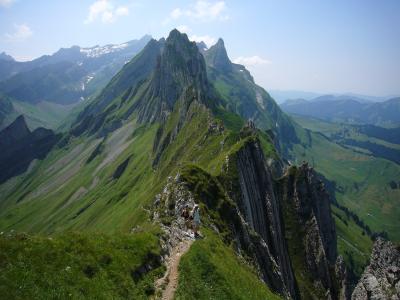
Schäfler Ridge
Sunset ridge hike above Appenzell at 1,910m
Mountains · Viewpoints
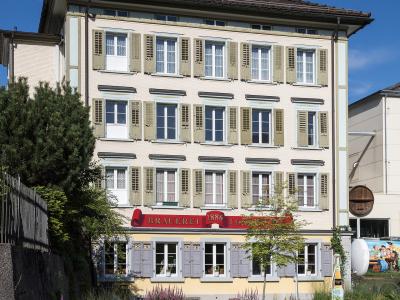
Brauerei Locher
Fifth-generation family brewery in Appenzell
Guided Tours · Traditional Cuisine
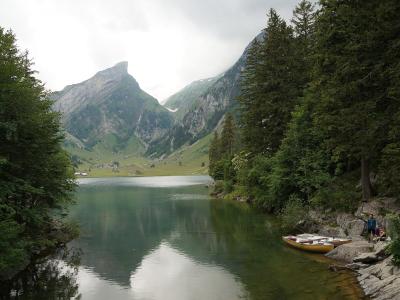
Lake Seealpsee
Alpine lake in Appenzell, accessible only by foot
Lakes & Rivers · Mountains
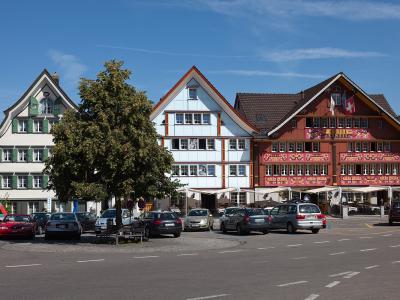
Landsgemeindeplatz
Central square in Appenzell, Switzerland
Free Cultural Festivals · Historic Towns
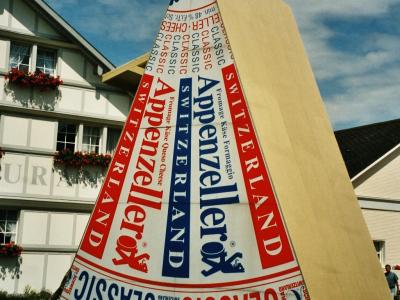
Schaukäserei
Interactive cheese factory in Stein, Appenzell
Cultural Experiences · Food & Gastronomy
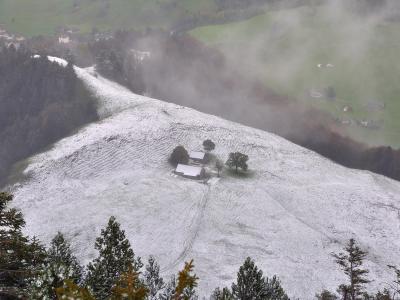
Schende District
Largest district in Appenzell Innerrhodian, featuring alp...
Activities & Adventure · Cultural Experiences
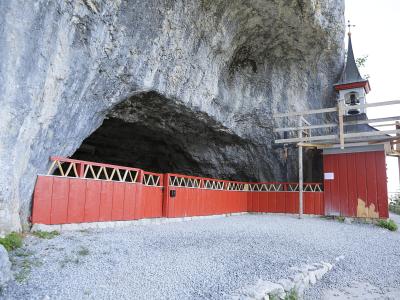
Wildkirchli Caves
Neanderthal cave site in the Appenzell Alps
History & Heritage · Natural Wonders
Appenzell by interest
The same sights, grouped by what you came for.
Did you know?
Checked facts about Appenzell, each with its source.
-
History
The 1597 Division of Appenzell
In 1597, the region was divided into two half-cantons, Appenzell Inner-Rhoden and Appenzell Ausserrhoden, following a significant political split.
Source: en.wikipedia.org
Planning a visit to Appenzell
Itineraries that include Appenzell
Good to know
- Currency
- CHF
- Language
- German, French, Italian and Romansh
Quick Facts
Book your stay
Questions people ask
More places in Eastern Switzerland

Eastern Switzerland
St. Gallen
UNESCO Abbey, Baroque Cathedral, Alpine gateway

Eastern Switzerland
Wildhaus
Alpine village with hiking, skiing, and historic heritage

Eastern Switzerland
Säntis
Eastern Switzerland’s highest peak with panoramic cable car
Eastern Switzerland
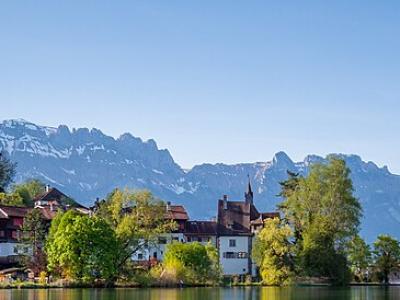
Werdenberg
Oldest timber-frame settlement in Switzerland