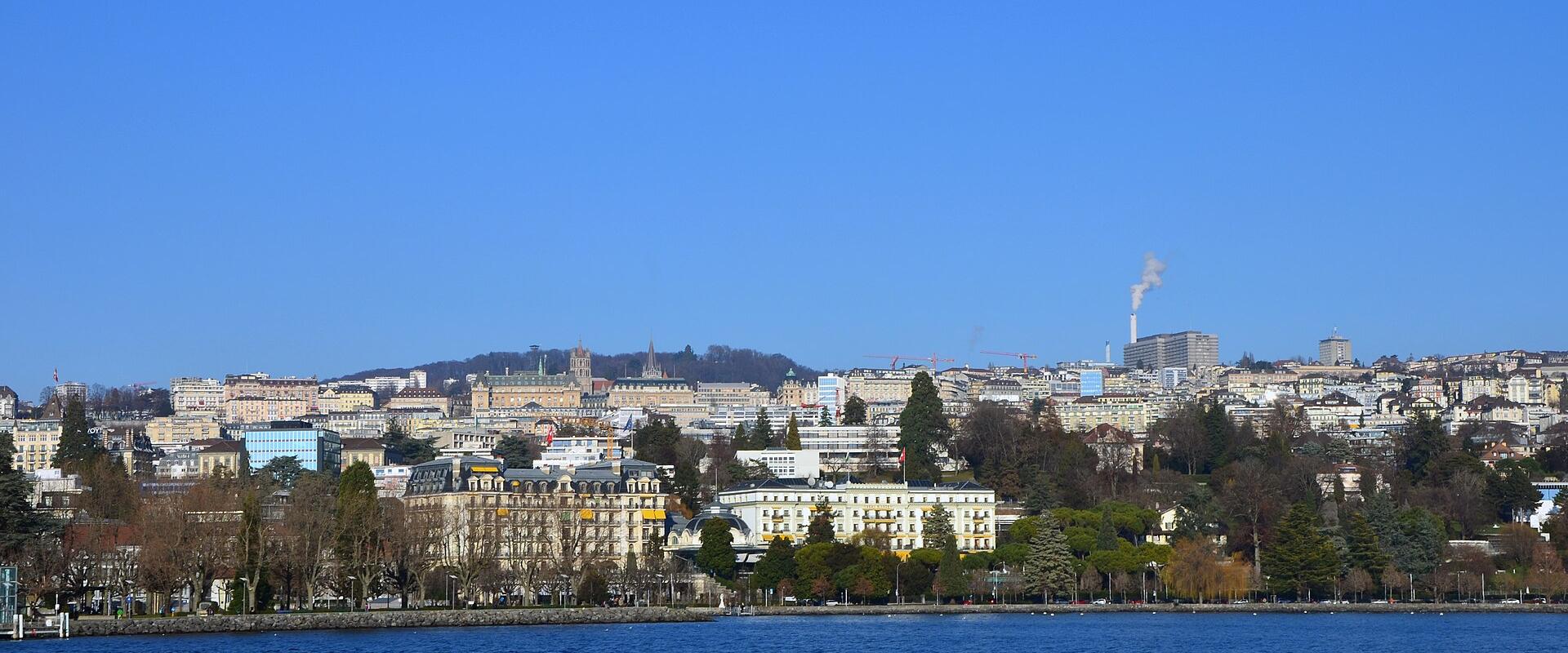
Lausanne
Olympic Capital on Lake Geneva, from Ouchy's lakefront to a Gothic cathedral
Lausanne's history begins on the lakeshore, where the Roman settlement of Lousonna stood at what is now Vidy, west of Ouchy; its remains can still be seen in a park and a small museum. In the troubled centuries after the Roman period, the population moved up to the safer hilltop, and from the 6th century Lausanne became the seat of a bishop. The cathedral and the bishops' castle, the Château Saint-Maire, still crown the old town.
History and Heritage In 1536 Bern conquered the Vaud region and introduced the Reformation, and Lausanne remained under Bernese rule until 1798. In 1803 it became the capital of the new canton of Vaud. The 19th century brought railways, hotels and the funicular to Ouchy, and Lausanne grew into a resort and a centre of education. Its link with sport began in 1915, when Pierre de Coubertin, founder of the modern Olympic Games, moved the International Olympic Committee to the city, where it remains today.
Main Attractions The Cathedral of Notre-Dame, consecrated in 1275, is regarded as one of the finest Gothic buildings in Switzerland. Its painted portal and great rose window are highlights, and its tower can be climbed for views over the roofs to the lake. Every night a watchman, the guet, calls out the hour from the tower, a tradition that goes back to the Middle Ages. Below the cathedral, the covered wooden Escaliers du Marché lead down to the Place de la Palud, with its town hall and fountain, the heart of the old town and the scene of a market on Wednesday and Saturday mornings.
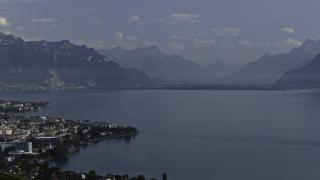
Down by the lake, Ouchy has a long promenade lined with plane trees, the turreted Château d'Ouchy, now a hotel, and the piers where the lake steamers of the CGN depart for Évian, Montreux and other towns around the lake. The Olympic Museum, in its park just to the east, tells the story of the Games from antiquity to the present, with interactive displays and views of the lake from its terraces. Art lovers should not miss the Collection de l'Art Brut, a museum created from Jean Dubuffet's collection of work by self-taught artists, or Plateforme 10, the new arts district beside the station that brings together the cantonal fine arts museum, Photo Elysée and the museum of contemporary design and applied arts, mudac.
Lavaux and the Lake Just east of the city, the Lavaux vineyards rise in steep terraces above the lake between Lausanne and Vevey. They were listed as a UNESCO World Heritage Site in 2007, and their walking paths, villages and wine cellars make an easy and memorable half-day or full-day excursion by train, boat or on foot. West of the city, the lakeshore parks around Vidy and the university campuses offer quieter walks and swimming spots in summer.
Getting There and Around Lausanne is about 35 to 40 minutes by train from Geneva and its airport, and about an hour from Bern. The main station sits halfway up the slope; the M2 metro runs from Ouchy through the station and the centre to the northern districts, and buses cover the rest of the city. Boats link Ouchy with towns on both the Swiss and French shores of the lake.
Practical Tips Wear comfortable shoes and use the metro to save your legs on the steep streets. Summer brings open-air concerts and festivals, and the lakefront is at its liveliest in the evenings. Many museums close on Mondays, and the Lavaux vineyards are at their most beautiful in September and October, during the grape harvest.
Best time to visit
May to October for the lakefront, boat trips and Lavaux walks; September and October for the grape harvest.
What to see in Lausanne
Our picks first.
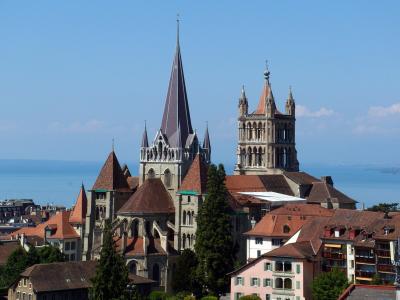
Lausanne Cathedral
Gothic cathedral where a night watchman still calls the hours
Free Churches · Guided Tours
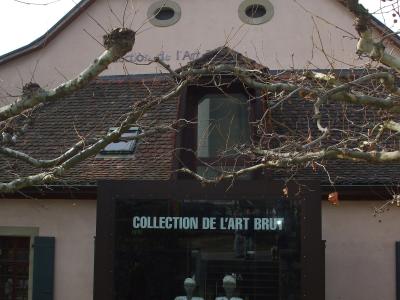
Collection de l'Art Brut
Jean Dubuffet's outsider-art collection in the Château de Beaulieu
Cultural Experiences · Museums
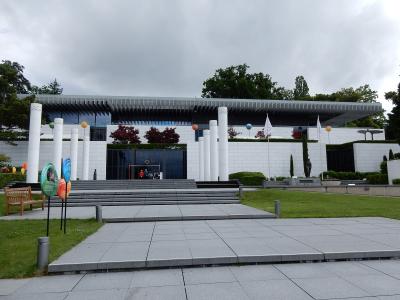
The Olympic Museum
The story of the Games in a lakeside park in the Olympic Capital
History & Heritage · Museums
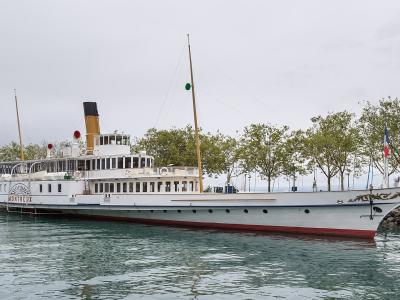
Ouchy
Lausanne's lakeside promenade, château and steamer harbour
Free Historic Districts · Lakes & Rivers
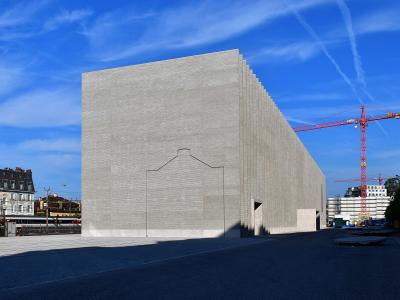
Plateforme 10
Lausanne's arts district by the station: fine arts, photography and design
Cultural Experiences · Museums
Lausanne by interest
The same sights, grouped by what you came for.
Planning a visit to Lausanne
Good to know
- Currency
- CHF
- Language
- German, French, Italian and Romansh
Quick Facts
Book your stay
Questions people ask
More places in Lake Geneva
Lake Geneva
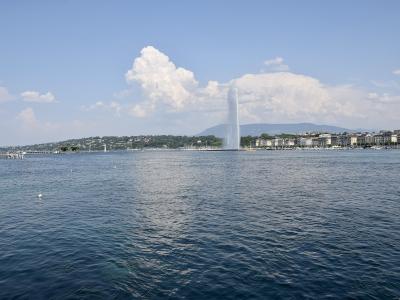
Genève
Lakefront city of diplomacy, culture, and watchmaking
Lake Geneva
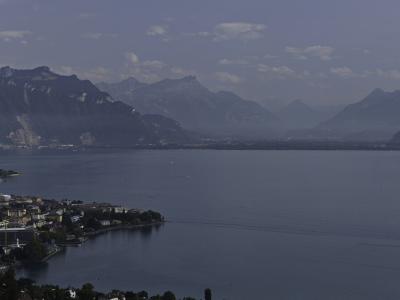
Montreux
Lakeside resort with jazz, promenades, and castle views
Lake Geneva
Château de Chillon
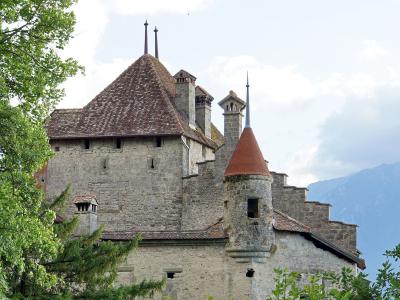
Medieval lakeside castle with towers, dungeons, and Alpine views
Lake Geneva
Vevey
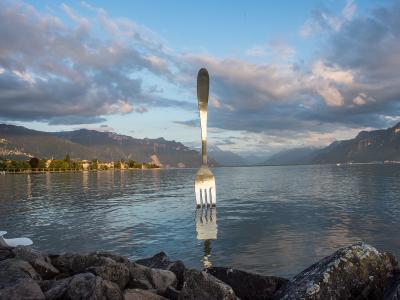
Lake Geneva town with Chaplin museum and vineyards