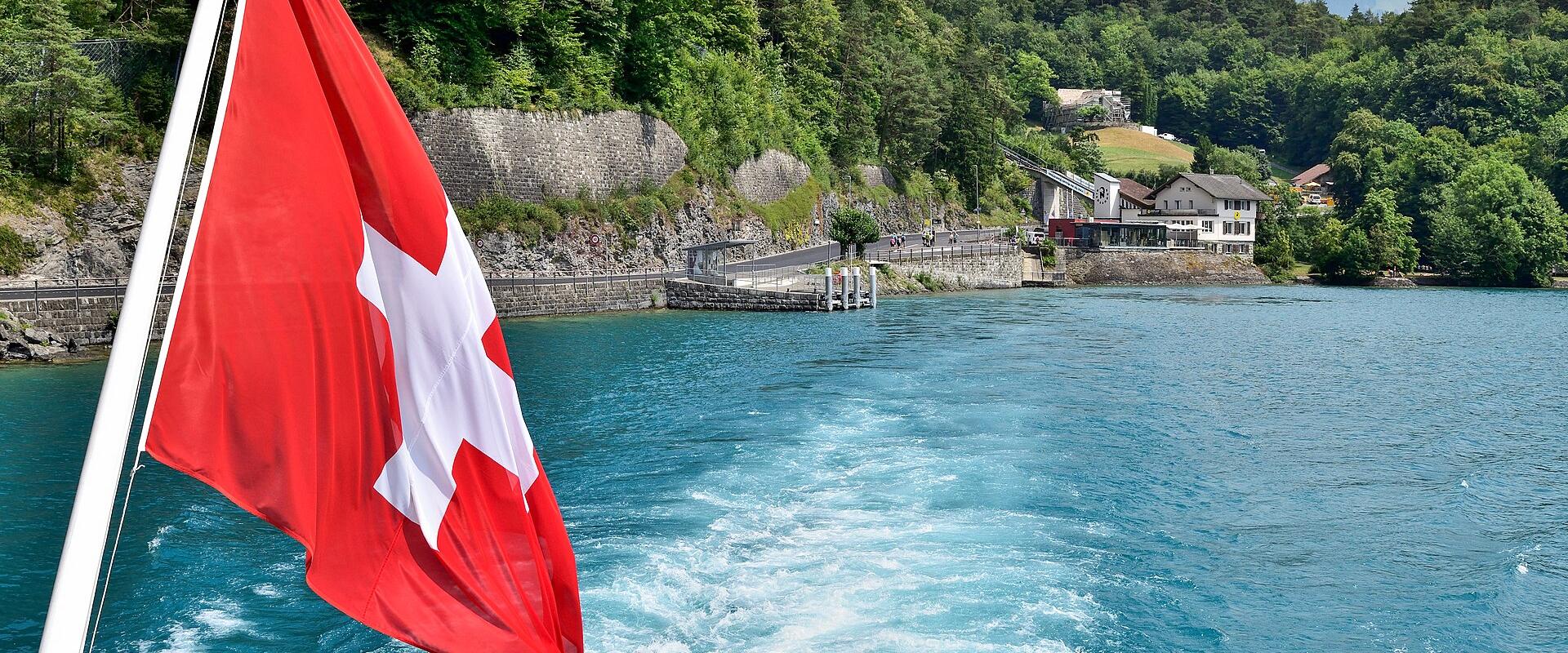
Swiss Camping Landscape
Wild camping is strictly prohibited in most Swiss areas. You must use official campsites to avoid heavy fines. Over 400 official campsites operate nationwide. The TCS Camping network remains the largest provider. These sites accommodate tents, campervans, and caravans. Infrastructure standards are exceptionally high across the country. Cleanliness is maintained rigorously at all locations. You will find diverse options from mountain fields to lakeside resorts. Dedicated motorhome stopovers offer basic services for short stays. These include water access, waste disposal, and electricity. Private nature pitches are available on select farms. Specific locations like AVES Arosa and AVES Savognin offer unique stays. Seasonal demand is high during summer months. You must plan and book well in advance. This ensures availability at your preferred site. The system prioritizes order and environmental protection. Simple tent pitches range from basic to high-end holiday parks. This structure supports safe and comfortable family trips. Planning ahead is essential for a successful experience.
Accommodation Categories
Swiss campsites offer diverse lodging options for every budget. Standard tent pitches provide basic access to communal facilities. These sites ensure essential hygiene and convenience for visitors. Mobile home pitches include electrical hookups for extended stays. Pre-pitched tents and wooden chalets offer immediate shelter. These structures eliminate setup time for convenience seekers. Luxury glamping options feature enhanced amenities for comfort. High-end holiday parks provide upscale experiences in the Alps. The TCS Camping network manages many of these sites. Over 400 official campsites operate across the country. Motorhome stopovers provide water and waste disposal services. Private nature pitches on farms offer quieter alternatives. Locations like AVES Arosa provide specific mountain experiences. Lakeside resorts offer scenic views alongside standard camping. Mountain field sites provide rugged, natural settings. All options require booking through official channels. Prices vary by location and season. Facilities range from basic to fully equipped. Swiss regulations ensure safety and environmental protection. Visitors choose based on desired comfort levels. Infrastructure supports both wild and structured camping styles.
Regional Hotspots
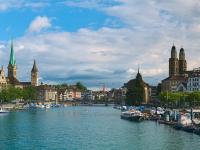
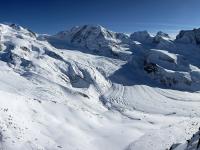
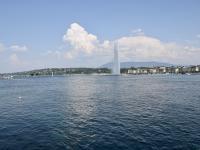
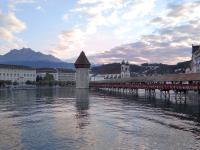
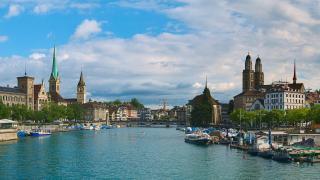
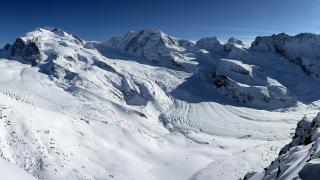
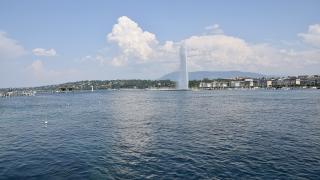
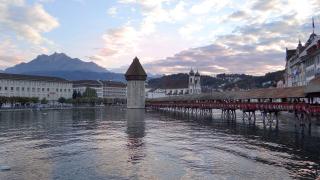
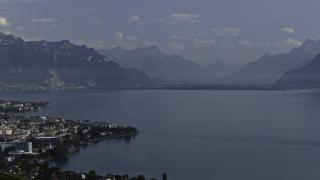
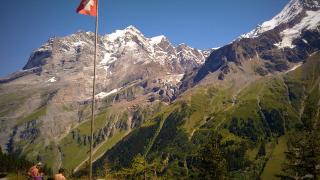
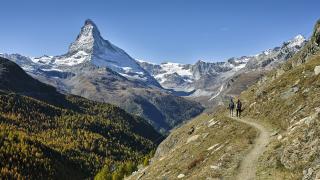
Swiss camping varies significantly by region. The Bernese Oberland offers dramatic alpine views. Hikers access extensive trail networks from base camps. Sites here cater to active outdoor enthusiasts. The Engadin Valley provides high-altitude serenity. Temperatures drop lower than in lowlands. Campers enjoy quiet, pristine mountain environments. This area suits those seeking solitude. Ticino delivers a Mediterranean climate. Palm trees line many lakeside pitches. The weather remains warm year-round. Visitors enjoy relaxed, southern-style camping experiences. Lake regions combine urban access with nature. Geneva and Zurich offer city proximity. Travelers reach cultural sites quickly. Nature remains accessible for daily excursions. Official campsites ensure legal compliance. Wild camping is strictly prohibited. Over 400 sites operate nationwide. The TCS network covers major areas. Motorhome stopovers provide basic utilities. Water and waste disposal are standard. Private farm pitches offer alternative stays. These locations provide quieter experiences. AVES sites in Arosa and Savognin are notable options. Infrastructure ranges from basic to high-end. Holiday parks offer additional amenities. Campers should book in advance. Peak season requires early reservations. Prices vary by location and season. Alpine sites often cost more. Lakeside pitches may include extra fees. Planning ensures a comfortable stay. Research specific regional regulations before arrival. Each area has unique rules. Compliance avoids heavy fines. Switzerland maintains strict environmental standards. Respect local guidelines at all times.
Regulations and Etiquette
Wild camping is strictly prohibited across Switzerland. Authorities impose heavy fines for unauthorized overnight stays. You must utilize official campsites or designated motorhome stopovers. These legal options ensure compliance with local laws. Quiet hours are enforced to maintain community peace. Noise control measures apply during late evening and early morning periods. Strict waste disposal rules require proper trash management. Campers must use designated bins or take waste home. Fire safety regulations prohibit open fires in most areas. Use only approved stoves for cooking and warmth. Pet regulations mandate strict leash requirements in public zones. Keep dogs under control to protect wildlife and livestock. Respect private property boundaries at all times. Over 400 official campsites provide structured environments for visitors. The TCS Camping network offers extensive nationwide coverage. Motorhome stopovers provide basic services like water and electricity. These facilities support short stays for travelers. Adhering to these rules ensures a safe experience. Swiss authorities prioritize environmental protection and public order. Violations result in immediate penalties and removal. Plan your stay within designated areas only. This approach respects local communities and natural landscapes.
Practical Logistics
Advance reservations are essential for Swiss campsites. High demand often fills spots months ahead. The TCS Camping network offers reliable booking channels. Costs vary significantly by location and season. Basic tent pitches typically range from 15 to 25 Swiss Francs nightly. Premium sites with full utilities cost more. Additional fees apply for electricity and water connections. Motorhome stopovers charge roughly 10 to 15 Francs. These fees cover waste disposal and fresh water. Alpine regions command higher prices due to accessibility. Summer months see peak pricing across all categories. Weather preparation is critical for Swiss camping. Mountain conditions change rapidly regardless of forecast. Pack layers for sudden temperature drops. Rain gear is mandatory year-round. Accessibility varies by site elevation. Lower valley sites offer easier vehicle access. High-altitude locations require sturdy four-wheel-drive vehicles. Check specific site requirements before arrival. Some remote pitches lack paved roads. Plan fuel stops carefully in alpine zones. Public transport connects many major campsite hubs. This reduces the need for private vehicles in dense areas. Always verify opening dates for seasonal closures. Many alpine sites shut down in winter. Early spring and late autumn offer lower rates. However, facilities may be limited during these periods.