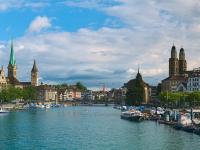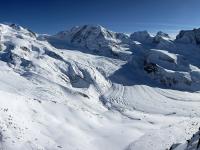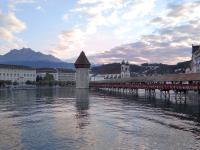




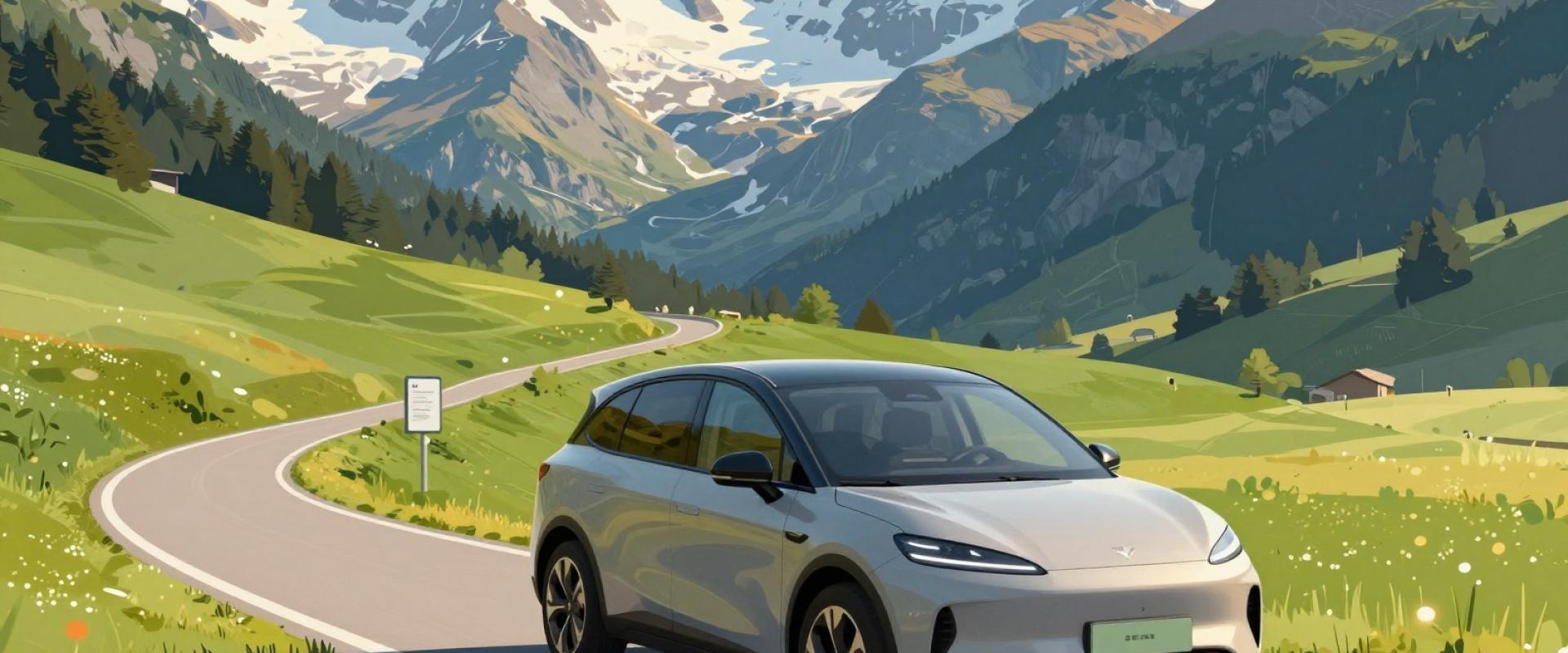
Switzerland offers world-class public transport, yet car rental provides essential flexibility. Renting a vehicle is ideal for exploring remote alpine villages and mountain passes. This mode is best for travelers seeking freedom beyond standard train routes. You can reach off-the-beaten-track locations inaccessible by public transit. The drive allows for spontaneous detours along scenic routes. However, public transport remains superior for major urban centers. Cities like Zurich are best navigated without a personal vehicle. Parking costs and vignette fees often outweigh the benefits of driving in cities. Rent a car only if you need specific flexibility. This is crucial for cross-border travel to France, Italy, or Austria. It is also necessary for managing family luggage logistics. For most travelers, public transport is the efficient primary choice. Use a car only for specific rural or alpine excursions. This approach balances efficiency with the unique benefits of driving. Always check specific local regulations before driving in the alps.
Essential Documentation and Requirements
Renting a car in Switzerland requires specific legal documentation. You must present a valid physical driver’s license from your home country. Most national licenses are sufficient for stays up to 90 days. An International Driving Permit (IDP) is highly recommended for non-EU/EFTA nationals. This document prevents potential misunderstandings with rental agencies or police. You must also carry a valid passport or national ID card. These serve as mandatory proof of identity during the rental process. A credit card in the primary driver’s name is strictly required. Debit cards or cash deposits are generally not accepted for holds. This card covers potential damages, traffic fines, or additional fees. Ensure the card has sufficient available credit before arrival. Cross-border travel to France, Italy, or Germany requires prior approval. You must declare these destinations to the rental company explicitly. Failure to do so may void your insurance coverage. Always verify specific agency policies regarding international driving permits. Swiss roads demand strict adherence to these administrative rules. Proper documentation ensures a smooth and legal rental experience.
Swiss motorway access requires a mandatory annual vignette. You must purchase this sticker before entering the national highway network. The vignette costs 40 Swiss francs. It is valid for twelve calendar months. Affix the sticker to the inside of your windshield. Driving without a valid vignette incurs heavy fines. Speed limits are strictly enforced by automated cameras. Urban areas have a limit of 50 km/h. Rural roads allow a maximum speed of 80 km/h. Motorways permit travel up to 120 km/h. Exceeding these limits results in significant penalties. You must carry specific safety equipment in your vehicle. A warning triangle is required for all rentals. A high-visibility vest must be accessible to all passengers. These items must be present during any roadside stop. Alpine roads often feature steep gradients and sharp curves. Drive cautiously, especially during winter months. Snow chains may be mandatory on certain mountain passes. Check local conditions before attempting high-altitude routes. Parking in city centers is expensive and limited. Plan your route to avoid congested urban areas. Public transport remains efficient for major city destinations. Use your rental car for remote alpine villages. This approach maximizes flexibility and scenic enjoyment. Always carry your rental agreement and insurance documents. Ensure your license is valid for the entire stay.
Choosing the Right Vehicle and Insurance
Select a vehicle with sufficient engine power for alpine terrain. Steep mountain passes require robust torque for safe climbing. Compact cars may struggle on high-altitude routes. Opt for comprehensive insurance with zero excess coverage. This protects against high repair costs in remote areas. Inspect the vehicle thoroughly before departure. Check tires, brakes, and bodywork for existing damage. Document any scratches with photos for your records. Consider fuel type and compatibility with local stations. Diesel is common, but petrol remains widely available. Ensure your credit card supports the required rental deposit. Compare prices using platforms like Discover Cars for savings. These sites offer no hidden costs and free cancellation. You can save up to 70% through comparison. Avoid renting in city centers like Zurich. Parking costs and vignettes often outweigh freedom benefits. The annual vignette costs 40 Swiss francs. It is mandatory for all motorway use. Bring your physical driver’s license and passport. A credit card is essential for the security hold. Verify if your license requires an international permit. Most national licenses suffice for stays under 90 days. Prioritize vehicles with four-wheel drive for winter travel. Snow chains may be legally required in certain zones. Check specific road conditions before your journey.
Cost-Saving Strategies and Final Tips
Use comparison platforms like Discover Cars to secure better rental rates. These tools often reveal discounts of up to 70 percent. Booking your vehicle in advance typically yields the most competitive prices. Always review the rental agreement terms before finalizing your reservation. Check for hidden fees that might increase your total cost. Pay close attention to fuel policies to avoid unexpected charges. Understand the mileage limits included in your specific rental contract. Swiss parking costs in cities like Zurich can be high. Plan your route to minimize time spent in urban centers. The vignette for motorways costs 40 Swiss francs annually. Ensure this fee is included in your rental agreement. Verify that your insurance covers alpine terrain and cross-border travel. This protection is essential for driving through mountain passes. Confirm your credit card is accepted for the security deposit. Bring your physical driver’s license and passport for verification. These documents are mandatory for all rental transactions in Switzerland. Careful planning ensures a smooth and cost-effective driving experience.