






The Postal Bus Network
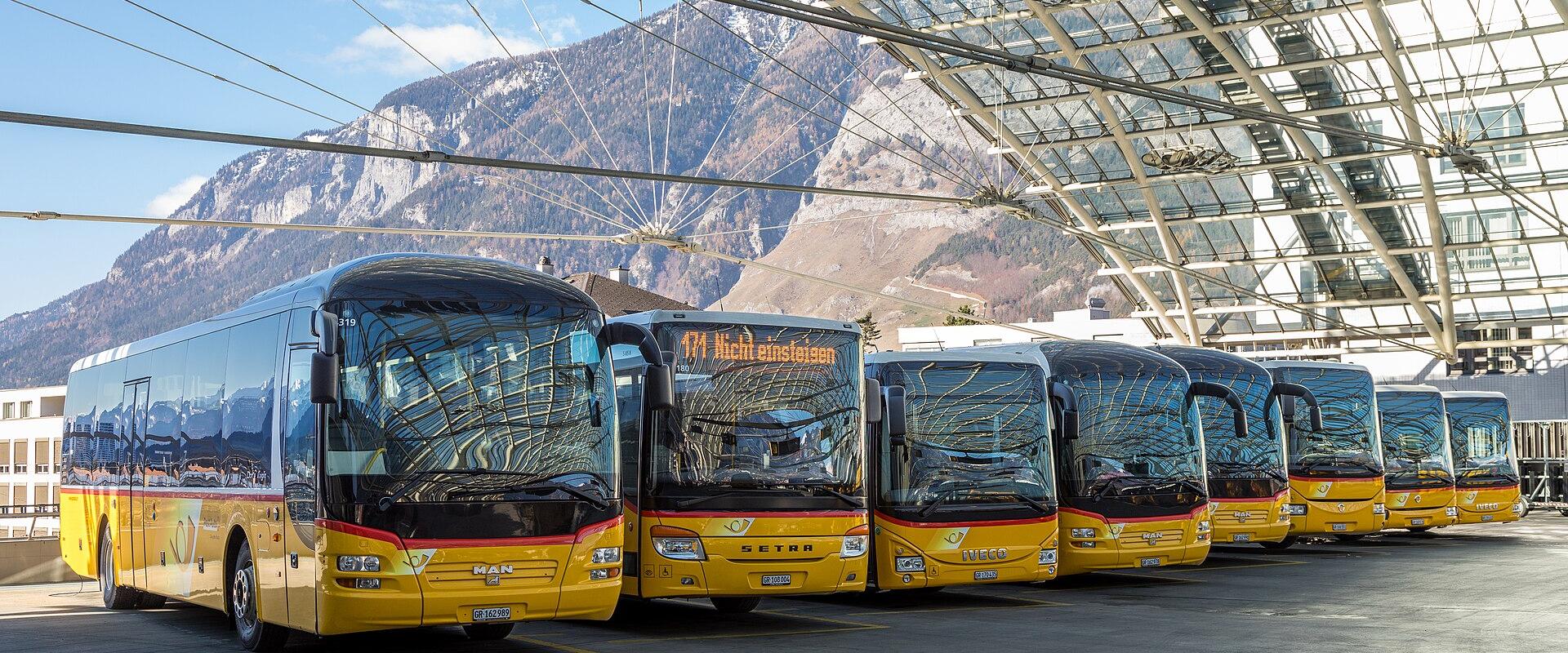
PostBus operates Switzerland’s primary non-rail bus network. It connects remote villages inaccessible by train. The service reaches high-altitude mountain locations across the country. Distinctive red and yellow vehicles identify these buses. They integrate seamlessly with the national rail timetable. This ensures reliable hourly connections for travelers. The network covers over 5,300 kilometers of routes. Passengers can use the Swiss Travel Pass. This pass includes free travel on PostBus services. The Half Fare Card offers 50% discounts. These options apply to trains, buses, and boats. The system guarantees punctuality and barrier-free access. Autonomous travel is supported by law. Travelers can reach destinations from major cities easily. The network is among the densest in the world. It provides flexible options for exploring Switzerland. You can access freeways and pass roads via bus. The service complements the extensive railway infrastructure. It ensures comprehensive coverage for all visitors.
Swiss Travel Pass Integration
The Swiss Travel Pass covers most PostBus routes nationwide. This includes remote mountain villages and high-altitude locations. You gain unlimited access without extra ticket purchases. The Half Fare Card offers a 50% discount instead. This option suits travelers needing flexible, partial coverage. It reduces costs for trains, buses, and boats. Verification is crucial for private or tourist buses. These specific services often require separate tickets. Always check the operator before boarding. The SBB App integrates seamlessly with your pass. It provides real-time planning for all bus connections. You can view schedules and platform details instantly. This tool ensures punctual transfers across the network. Barrier-free access is standard on most PostBus vehicles. Autonomous travel is supported by reliable hourly timetables. The dense network connects major cities to remote areas. Seamless connections minimize wait times during transfers. Cost savings are significant for multi-day itineraries. Logistical ease improves the overall travel experience. No complex ticketing systems disrupt your journey. Just show your digital or paper pass. Drivers verify validity quickly at the entrance. This system supports efficient, stress-free exploration. You focus on scenery, not paperwork. The integration simplifies navigation across diverse terrain. Financial benefits accumulate over the trip duration. Time savings result from direct routing options. The network’s reliability supports spontaneous itinerary changes. You can adjust plans without penalty fees. This flexibility defines the Swiss public transport advantage.
Mountain Bus Adventures
Switzerland’s postal buses feature large panoramic windows for scenic views. These specialized vehicles access high-altitude mountain locations. The network integrates seamlessly with cable cars and ski resorts. This connection allows direct travel from valleys to peaks. Service frequency varies significantly by season. Winter schedules prioritize ski resort access and connectivity. Summer routes focus on hiking trailheads and alpine passes. The buses operate on over 52,817 miles of road. This extensive network ensures access to remote areas. Travelers can use the Swiss Travel Pass for coverage. The Half Fare Card offers 50% discounts on these routes. Punctuality is guaranteed by hourly timetables across the country. Barrier-free access is mandated by law for all vehicles. This ensures autonomous travel for all passengers. The dense public transport system connects major cities to mountains. Trains and buses coordinate for efficient transfers. This integration reduces travel time between destinations. The journey itself becomes a primary tourist attraction. Passengers observe alpine landscapes through expansive glass panels. The red buses are a distinct visual landmark. They navigate steep gradients and narrow mountain roads. This infrastructure supports both tourism and local mobility.
Urban and Regional Connectivity
Urban buses serve major Swiss cities like Zurich and Geneva. They provide essential local connectivity within metropolitan areas. These services operate frequently throughout the day. Regional buses connect towns lacking direct rail access. PostBus extends the network into remote valleys. Synchronized timetables ensure seamless transfers between modes. You can switch from train to bus efficiently. Cantonal variations exist in local ticketing systems. Some regions offer integrated zone-based fare structures. Others rely on point-to-point pricing models. The Swiss Travel Pass covers most routes. This includes urban and regional bus services. You gain unlimited access across the network. The Half Fare Card applies to these fares. It reduces costs for individual travelers. The network supports barrier-free autonomous travel. This ensures accessibility for all passengers. Reliable hourly timetables maintain high punctuality standards. The system integrates with boats and cable cars. This creates a comprehensive transport web. You can reach remote areas easily. The infrastructure supports both tourists and locals. Efficient connections reduce overall travel time. The network is described as dense. This reflects the high frequency of services. You can rely on consistent schedules. The system prioritizes practical, factual connectivity.
Practical Boarding Etiquette
Wait at designated bus stops only. Do not signal the driver from the street. Wait for the bus to fully stop before approaching. Board through the front door only. Validate your ticket immediately upon entry. Insert the paper ticket into the yellow machine. The machine stamps the date and time. This validation is mandatory for all passengers. Failure to validate results in a fine. The bus interior is a quiet zone. Keep voices low and phones on silent. Respect the silence of other passengers. Bicycles are permitted on specific routes. You must reserve a spot in advance. Contact the operator directly to book space. This ensures space for your bicycle. Standard luggage fits in the overhead rack. Large suitcases go in the undercarriage storage. Be prepared to lift heavy bags. Staff may assist, but it is not guaranteed. Plan extra time for boarding. Swiss buses are punctual but strict. Arrive at the stop five minutes early. This ensures you do not miss the connection. The schedule is precise and reliable.