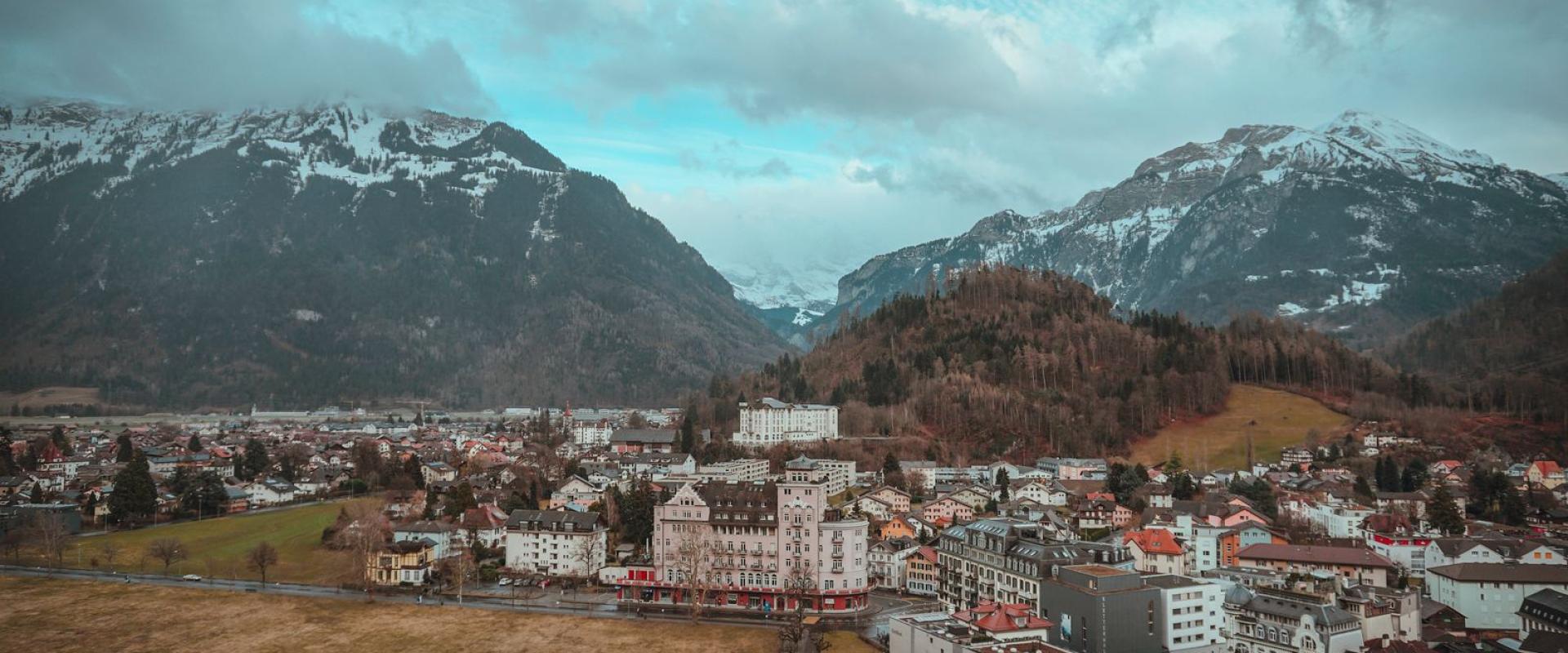
Interlaken’s story begins in the early Middle Ages when the area was part of the feudal lands of the Counts of Burgundy. The name, meaning ‘between the lakes’, first appeared in documents from the 13th century, describing the settlement that grew on the alluvial plain between Brienz and Thun. The town remained a modest agricultural community until the advent of the Bernese Oberland Railway in 1870, which opened the region to visitors from across Europe. The railway, followed by the construction of grand hotels, transformed Interlaken into a fashionable health resort for the European elite, who were drawn by the clean mountain air and therapeutic waters. By the early 20th century, the town had cemented its reputation as a hub for alpine tourism, a role it continues to play today.
The main attractions of Interlaken reflect both its natural setting and its cultural heritage. Harder Kulm, reachable by a short funicular ride, offers panoramic views of the surrounding lakes and the three great peaks, while the nearby Höhematte Park provides a spacious green arena for paragliders to launch. The historic Unterseen district, with its timber‑framed houses and the 14th‑century Church of St. Nicholas, invites leisurely walks through cobbled streets. For railway enthusiasts, the Jungfraujoch – known as the "Top of Europe" – can be accessed via the Bernese Oberland Railway, taking travelers through spectacular tunnels and culminating at a high‑altitude observatory with ice sculptures and a research station. Another iconic line is the Schynige Platte railway, which climbs to a botanical garden showcasing Alpine flora.
Adventure seekers find a wealth of activities: paragliding over the valley, kayaking on Lake Brienz, canyoning in the Lütschine gorge, and mountain biking on the extensive trail network. In winter, the nearby ski resorts of Grindelwald, Wengen and Mürren provide world‑class slopes, while the summer months open up hundreds of kilometers of marked hiking routes, including the famous Eiger Trail and the hike from Grindelwald First to Bachalpsee. For a more relaxed experience, boat cruises on both lakes reveal secluded bays and traditional villages, and the local chocolate and cheese shops let visitors sample regional specialties.
Getting to Interlaken is straightforward. The town is served by two railway stations – Interlaken Ost and Interlaken West – on the main line between Bern and Lucerne, with frequent connections from Zurich, Geneva and Milan. The nearest international airport is Zurich (about 120 km away), from which a direct train reaches Interlaken in roughly two hours. For drivers, the A8 motorway links the town to the Swiss highway network, and ample parking is available near the town centre and the lakeside promenades.
Seasonal advice is essential for planning a visit. Late June through early September offers warm, sunny days with average highs around 22 °C, ideal for hiking, water sports and open‑air festivals. Spring (April–May) brings blooming alpine meadows and fewer crowds, though occasional rain showers are common. Autumn (October–November) provides crisp air, vibrant foliage, and excellent conditions for mountain biking, while the winter months (December–March) attract skiers and snow‑shoe enthusiasts, with reliable snowfall on the surrounding peaks. Regardless of the season, visitors should pack layered clothing, sturdy footwear, and be prepared for rapid weather changes in the mountains.
Overall, Interlaken stands as a versatile destination where natural grandeur, historic charm and a wide array of activities converge, making it a perfect base for exploring the heart of the Swiss Alps.
Best time to visit
Late June through early September offers warm weather and clear mountain views, ideal for outdoor activities.
What to see in Interlaken
Our picks first.
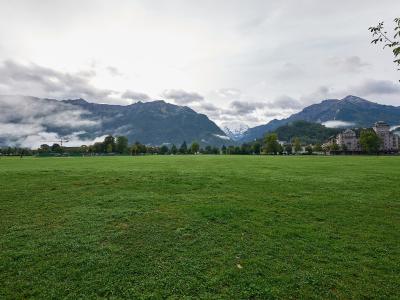
Höhematte
Park in central Interlaken with views of the Bernese Alps
Free Urban Exploration
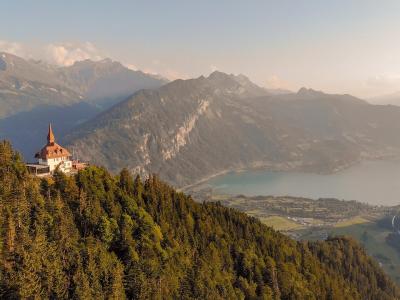
Harder Kulm
Alpine summit with panoramic views of the Bernese Alps
From CHF 20.44 Mountains · Viewpoints
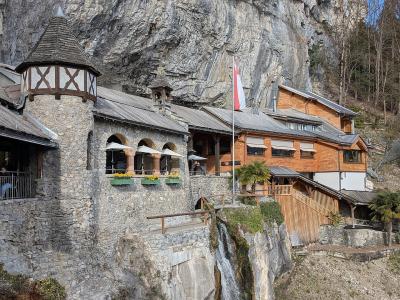
St. Beatus Caves (St. Beatus-Höhlen)
Limestone cave system with illuminated stalactites
Natural Wonders · Guided Tours
Interlaken by interest
The same sights, grouped by what you came for.
Did you know?
Checked facts about Interlaken, each with its source.
-
Record
Europe's Highest Railway Station Starts Here
The classic rail journey from Interlaken climbs to Jungfraujoch — at 3,454 metres (11,332 ft), the highest railway station in Europe. Nicknamed "Top of Europe," the station opened on 1 August 1912 after 16 years of construction, much of it spent blasting a tunnel through the Eiger and Mönch. More than a century later, travellers still board connecting trains in Interlaken to reach this glacier-bound outpost in under two hours.
Source: Wikipedia — Jungfraujoch railway station
Planning a visit to Interlaken
Good to know
- Currency
- CHF
- Language
- German, French, Italian and Romansh
Quick Facts
Book your stay
Questions people ask
More places in Bernese Oberland
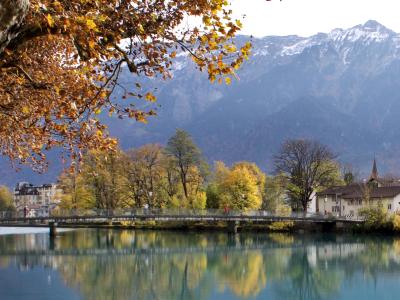
Bernese Oberland
Jungfrau Region
Iconic alpine region with peaks, valleys, and adventure
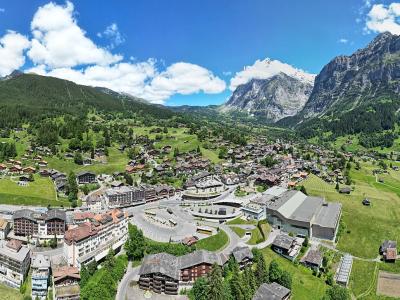
Bernese Oberland
Grindelwald
Chalet village beneath the Eiger north face, base for First and Männlichen
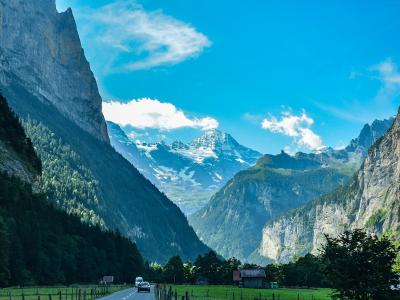
Bernese Oberland
Lauterbrunnen
Waterfall valley at the foot of the Jungfrau, gateway to Wengen and Mürren
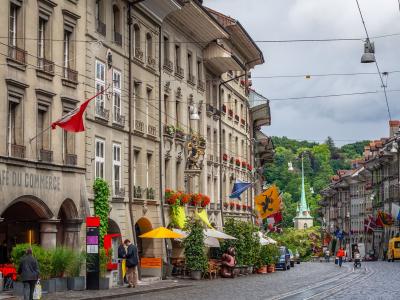
Bernese Oberland
Bern
UNESCO old town, arcades, and river views in Swiss capital