







Regional Culinary Divides
Switzerland’s culinary landscape splits into four distinct language regions. German, French, Italian, and Romansh traditions define local eating habits. Food acts as a strict cultural boundary marker. The Röstigraben separates German and French-speaking areas. This divide highlights stark differences in daily meals. The Polentagraben divides German-speaking Switzerland from Italian Ticino. These trenches reflect deep-seated regional identities and pride. Regions fiercely protect their specific preparation methods. Many locals believe their technique is the only correct way. Dishes like fondue, raclette, and rösti vary significantly by location. Each region claims unique variations of these iconic items. This diversity stems from ancient Alpine agricultural practices. Livestock farming adapted to challenging terrain shaped these diets. The compact geography belies this rich, varied heritage. No single 'Swiss' cuisine exists. Instead, a collection of regional identities prevails. Travelers must respect these distinct culinary boundaries. Curiosity and respect are essential for authentic experiences. The country serves as a culinary time capsule. It reflects Swiss resilience and craftsmanship through food.
Iconic Dishes and Origins
Swiss cuisine reflects regional diversity. Three dishes define the national identity. First, fondue originates in Vaud. It blends cheese, wine, and kirsch. Second, raclette comes from Valais. Chefs scrape melted cheese onto potatoes. Third, rösti is a fried potato cake. It originates in Bern. These dishes are not interchangeable. Regions guard their specific preparation methods strictly. Swiss people believe their local version is the only correct one. This cultural boundary is significant. Travelers must respect these local traditions. The dishes are more than food. They represent Swiss resilience and craftsmanship. Each region claims its unique style. The culinary heritage is deep. It is rooted in ancient agricultural practices. The terrain is challenging. Alpine conditions shaped these traditions. The food is a cultural marker. It defines the local identity. Swiss cuisine is a time capsule. It reflects the nation's history. The dishes are integral to the culture. They are not just meals. They are a part of the Swiss identity. The traditions are preserved with care. The culinary heritage is valued highly.
Dining Etiquette and Customs
Swiss dining is formal and precise. Service is professional but reserved. Do not expect excessive friendliness. Tipping is not mandatory. Rounding up the bill is standard practice. Waiters do not rely on tips for income. Bread is rarely free. It is charged separately as a service fee. This covers the basket and table setting. Always check the bill for accuracy. Payment is often by debit card. Cash is also widely accepted. Small establishments may prefer cash only. Noise levels are generally low. Loud conversations are considered rude. Diners value quiet and privacy. Meals are leisurely affairs. Rushing through the meal is discouraged. Respect the local pace. Swiss culture values order and quietude. Adhering to these norms shows respect. It ensures a smooth dining experience. Always be polite and patient. Service staff appreciate this courtesy. It enhances the overall experience.
Where to Eat Authentically
Avoid restaurants displaying English picture menus. These often target tourists with inflated prices. Seek genuine local establishments instead. Look for traditional Gasthöfe in villages. These family-run spots serve regional specialties. Visit Bergrestaurants for high-altitude dining. They offer authentic mountain cuisine. Local bakeries provide fresh Rösti and bread. Prioritize venues emphasizing local sourcing. Seasonal ingredients define Swiss culinary quality. In French regions, choose Auberges. They reflect traditional French-Swiss heritage. In Ticino, find local Ristoranti. These showcase Italian-Swiss influences. Use Swiss language reviews to find gems. German reviews reveal local favorites. French reviews highlight regional gems. This method bypasses tourist traps. Focus on what, where, and how much. Verify prices before ordering. Swiss dining is precise and formal. Service remains professional and reserved. Tipping is optional but customary. Round up the bill. Respect local dining customs. Curiosity enhances the authentic experience. Switzerland’s compact geography holds rich variety. Explore beyond major city centers. Rural areas preserve traditional methods. These venues offer true cultural context.
Seasonal Specialties and Markets
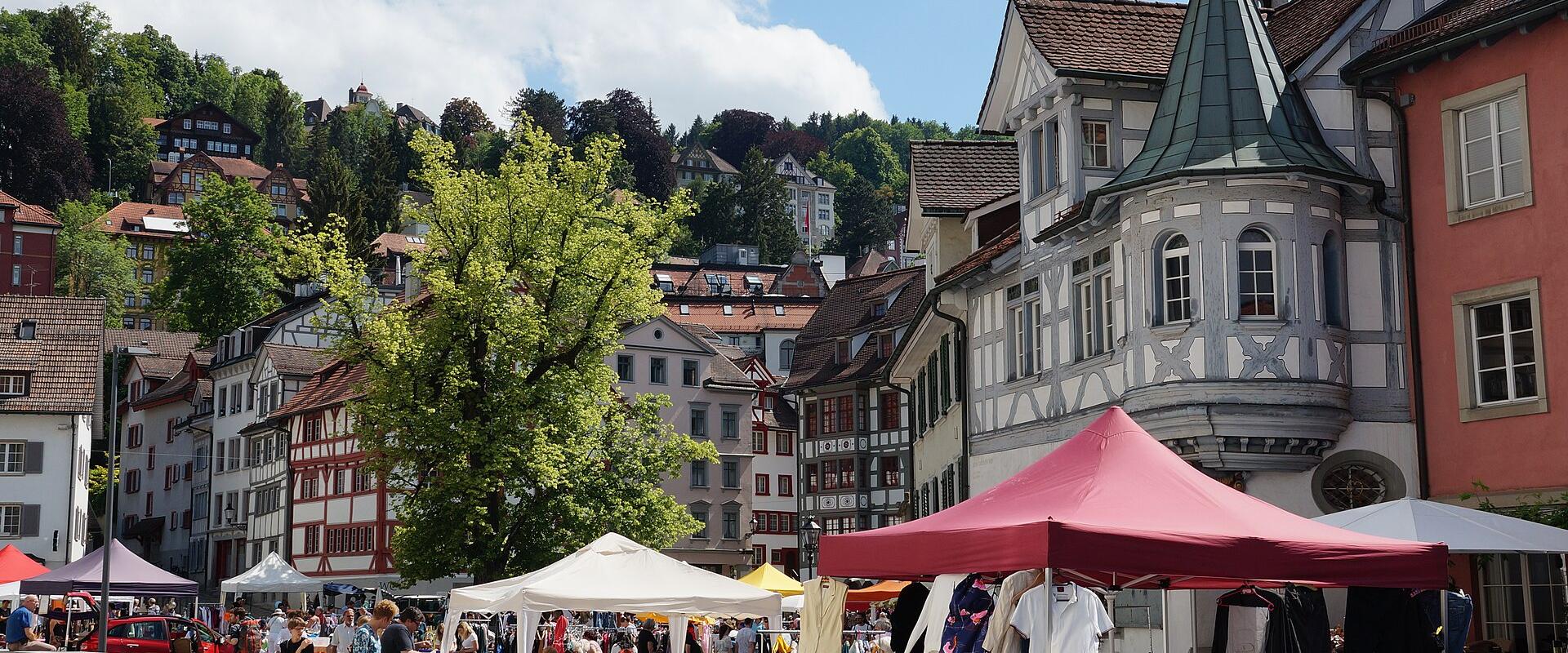
Swiss cuisine follows strict seasonal cycles. Spring brings fresh herbs from alpine pastures. Autumn highlights truffle harvesting in specific regions. Winter features hearty dishes like Älplermagronen. These pasta dishes use cheese and potatoes. They provide essential energy for cold months. Visit local Wochenmärkte for fresh produce. These markets operate weekly in town squares. Vendors sell regional dairy and vegetables directly. Food festivals celebrate specific harvests annually. Events often occur in rural villages. Agriculture deeply influences culinary traditions here. Farmers supply ingredients to local kitchens. This connection ensures ingredient freshness. Seasonal availability dictates menu changes. Restaurants adapt recipes to current supplies. Travelers should check local event calendars. Markets offer authentic tasting opportunities. Prices reflect high-quality local standards. This approach preserves traditional Swiss methods.