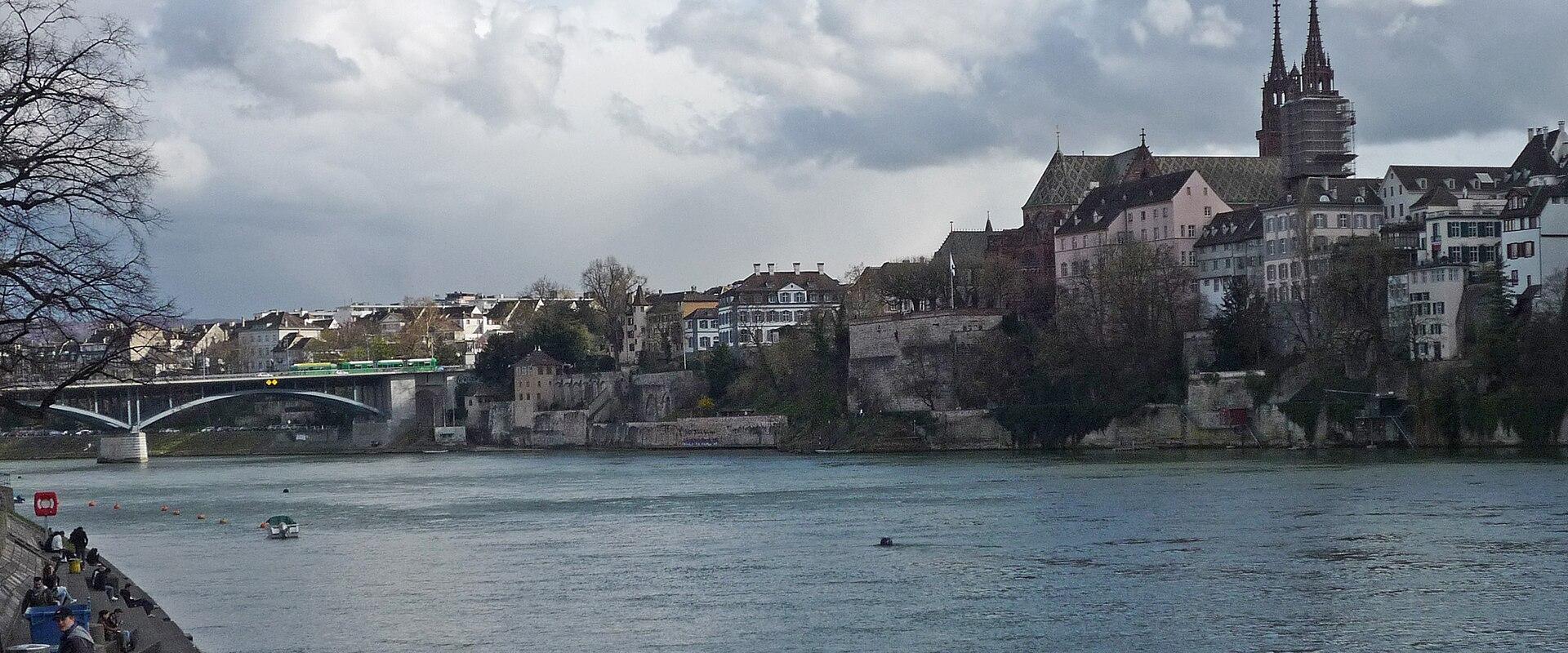
Basel's position on the Rhine has shaped its story since Roman times, when a settlement grew on the hill where the Münster now stands and the colony of Augusta Raurica flourished a few kilometres upstream. In the Middle Ages Basel was the seat of a prince-bishop and a rich trading town on the river, and its first bridge across the Rhine, the forerunner of today's Mittlere Brücke, was built in the 13th century. A violent earthquake in 1356 destroyed much of the city, which was rebuilt over the following decades.
History and Heritage From 1431 to 1449 Basel hosted a great church council, and soon afterwards, in 1460, it founded Switzerland's first university. In 1501 the city joined the Swiss Confederation, and in the 16th century it became a centre of book printing and of humanist learning. Erasmus of Rotterdam spent many years here and is buried in the Münster, and the painter Hans Holbein the Younger worked in the city before moving to England. Basel adopted the Reformation in 1529. In the 19th and 20th centuries it grew into an industrial city built on dyes and chemicals, which later became the pharmaceutical industry that still dominates its economy and skyline.
Main Attractions The Basler Münster, built of red sandstone in Romanesque and Gothic styles, stands on the hill above the Rhine, and the terrace behind it, the Pfalz, gives the classic view over the river to Kleinbasel. From there, lanes lead down through the old town to the Marktplatz, where the red-painted Rathaus, built in the early 16th century, has a courtyard decorated with murals. Beyond lie the Spalentor, one of the finest surviving medieval city gates in Switzerland, and quiet streets of guild houses and fountains.
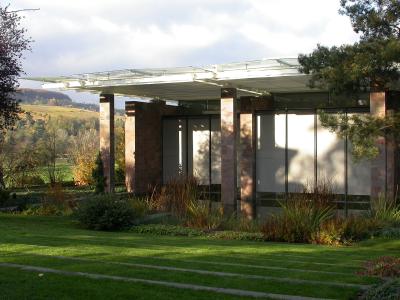
Museums are Basel's great strength. The Kunstmuseum Basel traces its origins to 1661, when the city bought the private collection of the Amerbach family, and it is famous for its works by Holbein as well as for modern art. The Museum Tinguely, by the Rhine in Kleinbasel, is devoted to Jean Tinguely's playful, moving machine sculptures, and his Fasnacht Fountain splashes in front of the city theatre. The Fondation Beyeler in Riehen, on the edge of the city, shows modern and contemporary art in a building by Renzo Piano. Families head for the Zoo Basel, known locally as the Zolli, the oldest zoo in Switzerland.
The Rhine and Fasnacht On warm summer days, swimming in the Rhine is a Basel institution. Swimmers walk upstream along the Kleinbasel bank, pack their clothes into a waterproof bag called a Wickelfisch, and float back down with the current, climbing out at steps along the bank. The river is fast and busy with shipping, so newcomers should stay close to the bank and follow local advice. The four traditional ferries offer a gentler way to enjoy it. Basel's Fasnacht, which begins at 4 a.m. on the Monday after Ash Wednesday with the Morgestraich, when the lights go out and lantern-carrying cliques march through the old town with fifes and drums, is the largest carnival in Switzerland and is listed by UNESCO as intangible cultural heritage.
Getting There and Around Basel has the main SBB station, the French station within the same building, and the Badischer Bahnhof on the German side of the city. Trains reach Zurich in under an hour, and EuroAirport, shared by Switzerland and France, lies just outside the city. Trams cover the city well, and hotel guests usually receive a pass for free local public transport during their stay.
Practical Tips Many museums close on Mondays, so plan museum days carefully. In June the city fills up during Art Basel, when hotel prices rise sharply, and during Fasnacht accommodation should be booked well in advance. For Rhine swimming, the season usually runs from June to August, when the water is warm enough to enjoy.
Best time to visit
May to September for the Rhine, terraces and museums; June for Art Basel; late February or March for Fasnacht.
What to see in Basel
Our picks first.
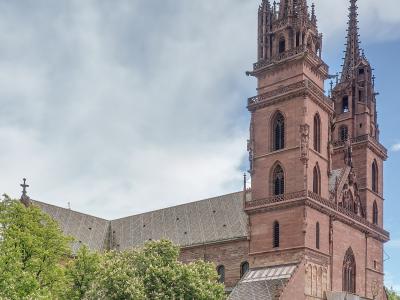
Basel Minster (Basler Münster)
Red sandstone cathedral above the Rhine, with Erasmus's tomb and climbable towers
Churches · Historic Towns
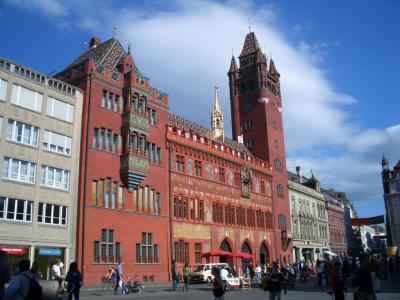
Basel Town Hall (Rathaus)
Red-painted 16th-century town hall on the Marktplatz
Free History & Heritage · Town Squares
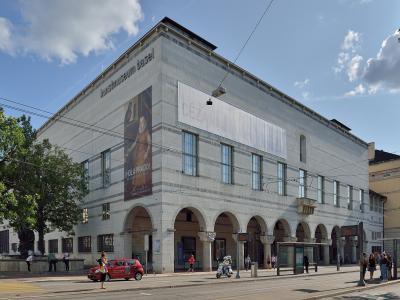
Kunstmuseum Basel
Holbein, Picasso and one of the world's oldest public art collections
Museums
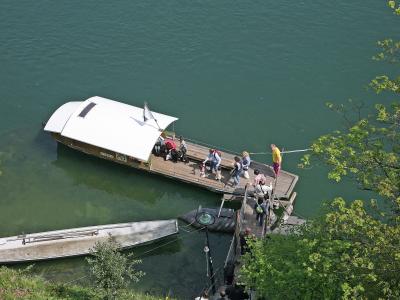
Rhine Ferries and Rhine Swimming
Engineless current-driven ferries and summer swimming in the Rhine
Urban Exploration · Boat Tours
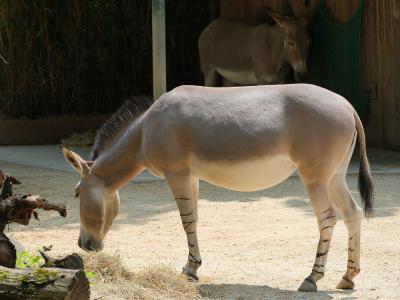
Basel Zoo (Zolli)
Switzerland's oldest zoo, in the heart of Basel
Cultural Experiences · Natural Wonders
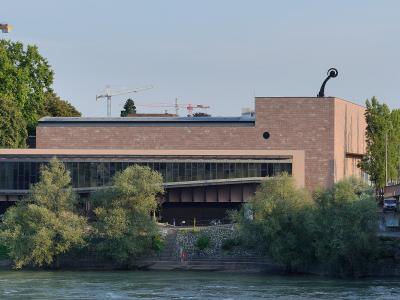
Museum Tinguely
Jean Tinguely's clattering machine sculptures on the Rhine
Museums
Basel by interest
The same sights, grouped by what you came for.
Planning a visit to Basel
Good to know
- Currency
- CHF
- Language
- German, French, Italian and Romansh