Lucerne
Medieval bridges, painted squares and lake-and-mountain excursions
Lucerne began as a small fishing settlement and grew around the Benedictine monastery of St. Leodegar, whose site is now occupied by the Hofkirche. The opening of the route over the Gotthard Pass in the 13th century turned the town into a busy market and transit point between northern Europe and Italy, and in 1332 Lucerne became the first town to join the original forest cantons of the Swiss Confederation. In the centuries that followed it was the leading Catholic city of central Switzerland, and its wealth went into the guild houses, churches and fortifications that still shape the old town.
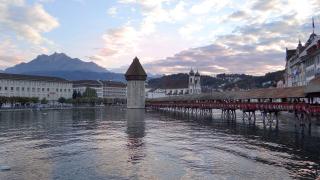
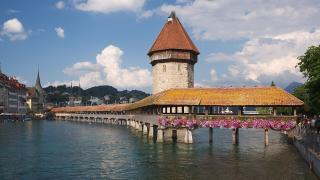
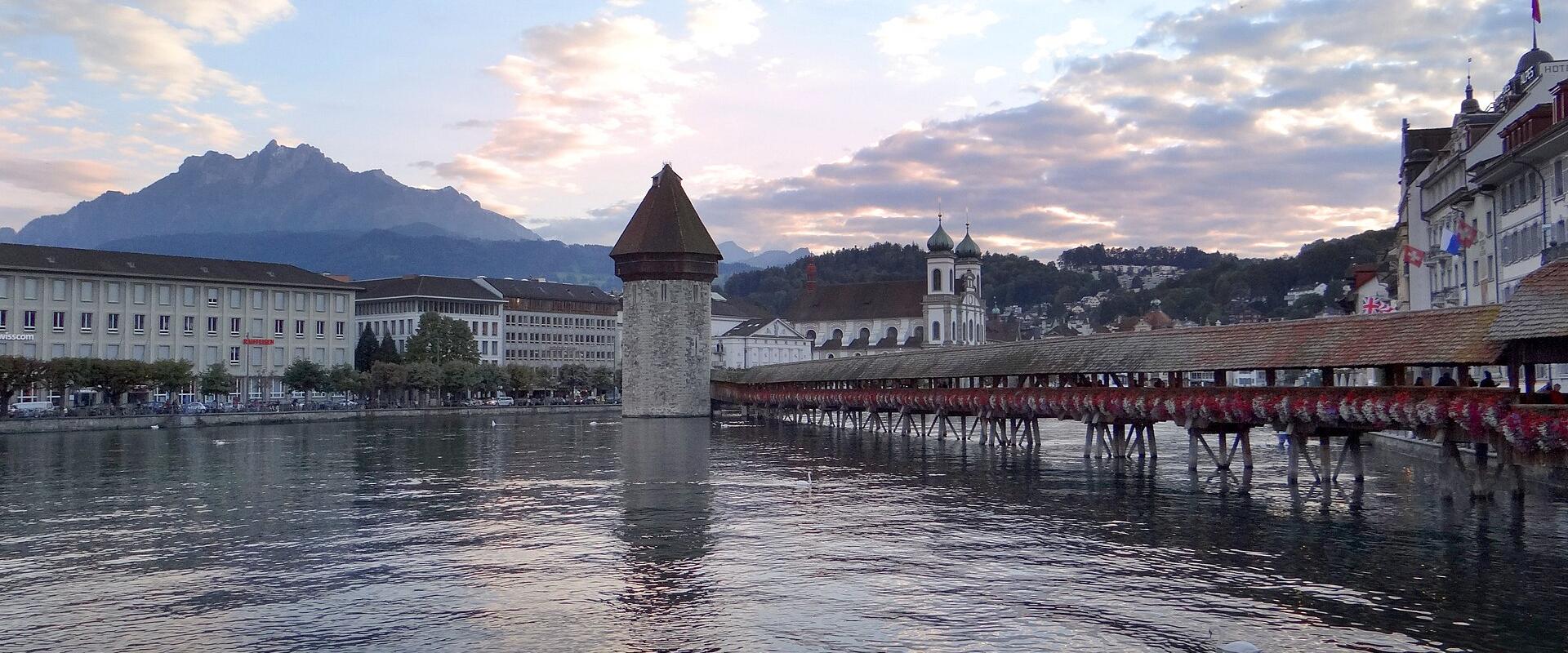
History and Heritage The city's medieval defences are unusually complete. The Museggmauer, built in the late 14th century, runs along the ridge north of the old town with its towers, and several of them can be climbed in the warmer months. The Zytturm in this wall holds the city's oldest clock, which by tradition is allowed to strike a minute before all the others. Down by the river, the Chapel Bridge (Kapellbrücke) was built in the 14th century as part of the town's fortifications, and the stone Water Tower beside it once served as a lookout, archive, treasury and prison. Much of the bridge burned in 1993, but it was rebuilt within a year. A short walk downstream, the Spreuer Bridge of 1408 shelters a series of 17th-century Dance of Death paintings.
Main Attractions Most visitors start at the Chapel Bridge, with its triangular paintings under the roof showing scenes from Swiss and Lucerne history. From there the old town spreads along the right bank of the Reuss, around squares such as the Kornmarkt and the Weinmarkt, where buildings carry painted facades. On the left bank, the Jesuit Church of the 17th century is one of the earliest large Baroque churches in Switzerland. North of the old town, the Lion Monument commemorates the Swiss Guards who died defending the Tuileries Palace in Paris in 1792; designed by Bertel Thorvaldsen, it shows a dying lion carved into the rock face, and Mark Twain called it the most mournful and moving piece of stone in the world.
Art lovers can visit the Rosengart Collection, known for its works by Picasso and Paul Klee, and the Kunstmuseum Luzern inside the KKL, the culture and convention centre designed by Jean Nouvel that stands beside the station under its huge, thin overhanging roof. The KKL's concert hall is the main stage of the Lucerne Festival, one of the most important classical music festivals in Europe. On the lakeshore east of the centre, the Swiss Museum of Transport covers rail, road, air and water travel and space, and is one of the most visited museums in the country.
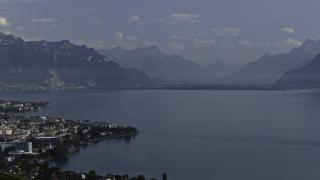
Lake and Mountains Lucerne's lake is part of its everyday life. Boats of the lake shipping company, including historic paddle steamers, connect the city with villages such as Weggis and Vitznau, Brunnen and Flüelen, and with the mountain railways around the lake. The most popular excursion is Mount Pilatus, which rises above the city to the southwest. In summer a classic round trip takes the boat to Alpnachstad, the cogwheel railway up to the summit, and the aerial cableway and gondola down to Kriens, from where a bus returns to Lucerne. The Rigi, across the lake, has the oldest mountain railway in Europe, and the Stanserhorn and Bürgenstock are also within easy reach.
Getting There and Around Lucerne is about an hour by train from Zurich and Bern, and the station sits right on the lakefront next to the KKL and the boat piers. The old town is compact and best explored on foot, while local buses reach the transport museum, Kriens and the outer districts. Boats run all year, with the fullest timetable in summer, and the Pilatus cogwheel railway operates only in the warmer months, so check the season before planning a mountain day.
Practical Tips Summer brings the largest crowds, especially on the Chapel Bridge in the middle of the day; early morning and evening are quieter and the light on the river is better. Spring and autumn are good times for walks along the Musegg wall and the lakeshore promenades, while in late winter the city celebrates Fasnacht, its carnival, with masks, parades and brass bands in the old town streets.
Best time to visit
May to October for lake cruises, Pilatus and the Lucerne Festival in summer; late winter for Fasnacht.
What to see in Lucerne
Our picks first.
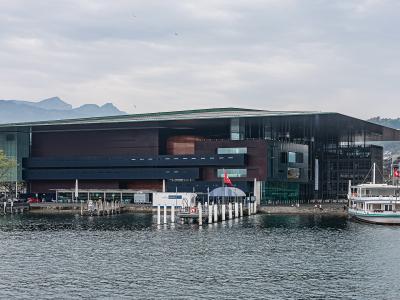
KKL Luzern (Culture and Convention Centre)
Jean Nouvel's lakeside concert hall, home of the Lucerne Festival
Cultural Experiences · Museums
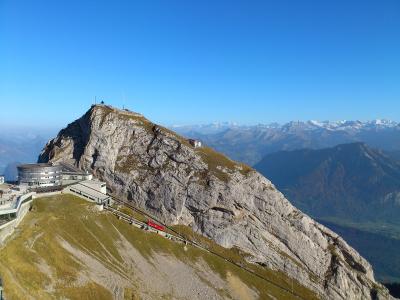
Mount Pilatus
Lucerne's dragon mountain, climbed by the world's steepest cogwheel railway
Activities & Adventure · Mountains
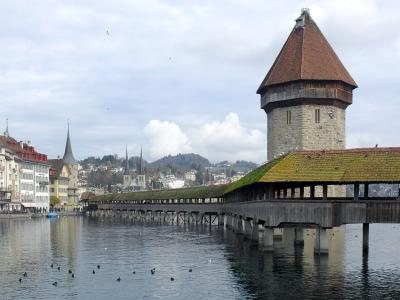
Chapel Bridge (Kapellbrücke)
Lucerne's 14th-century covered bridge and Water Tower
Free Historic Districts · Lakes & Rivers
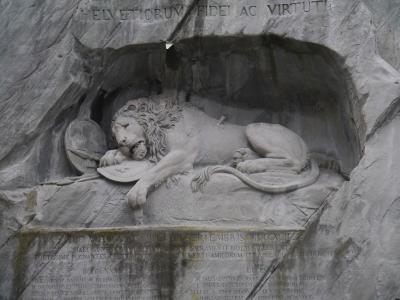
Lion Monument (Löwendenkmal)
Thorvaldsen's dying lion, carved into the rock in memory of the Swiss Guards
Free History & Heritage · Monuments
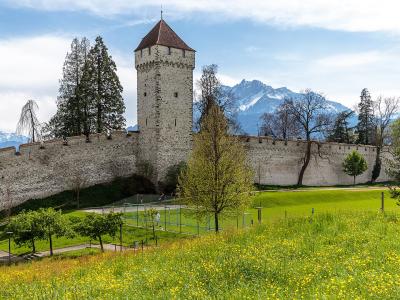
Musegg Wall (Museggmauer)
Medieval city wall with nine towers above Lucerne's old town
Free History & Heritage · Fortresses
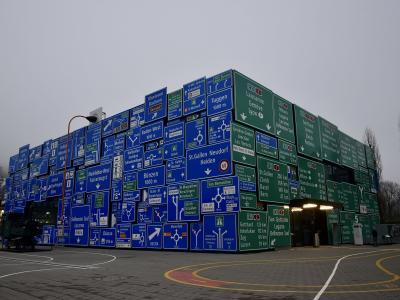
Swiss Museum of Transport (Verkehrshaus der Schweiz)
Switzerland's most visited museum, on rail, road, air, water and space
Museums
Lucerne by interest
The same sights, grouped by what you came for.
Planning a visit to Lucerne
Good to know
- Currency
- CHF
- Language
- German, French, Italian and Romansh
Quick Facts
Book your stay
Questions people ask
More places in Central Switzerland
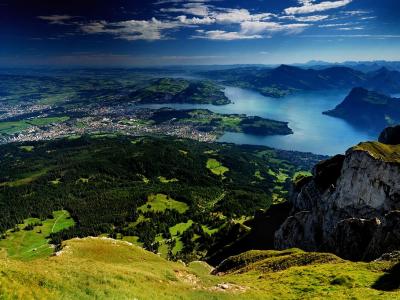
Central Switzerland
Lake Lucerne
Fjord-like lake with mountain views and historic towns
Central Switzerland
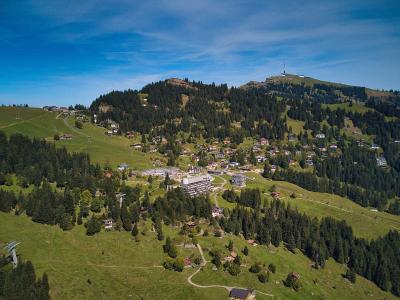
Rigi Kaltbad
Alpine spa village with panoramic trails and mountain views
Central Switzerland
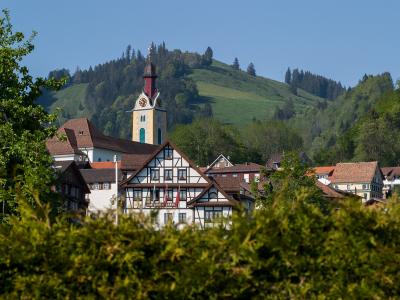
Sattel
Family mountain with revolving gondola, tobogganing, and trails
Central Switzerland
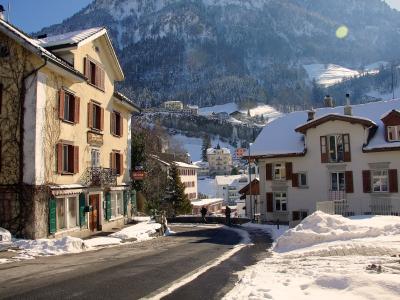
Morschach
Mountain village above Lake Lucerne with leisure and alpine views