







- Where
- Appenzell, Eastern Switzerland
- Directions
- Directions
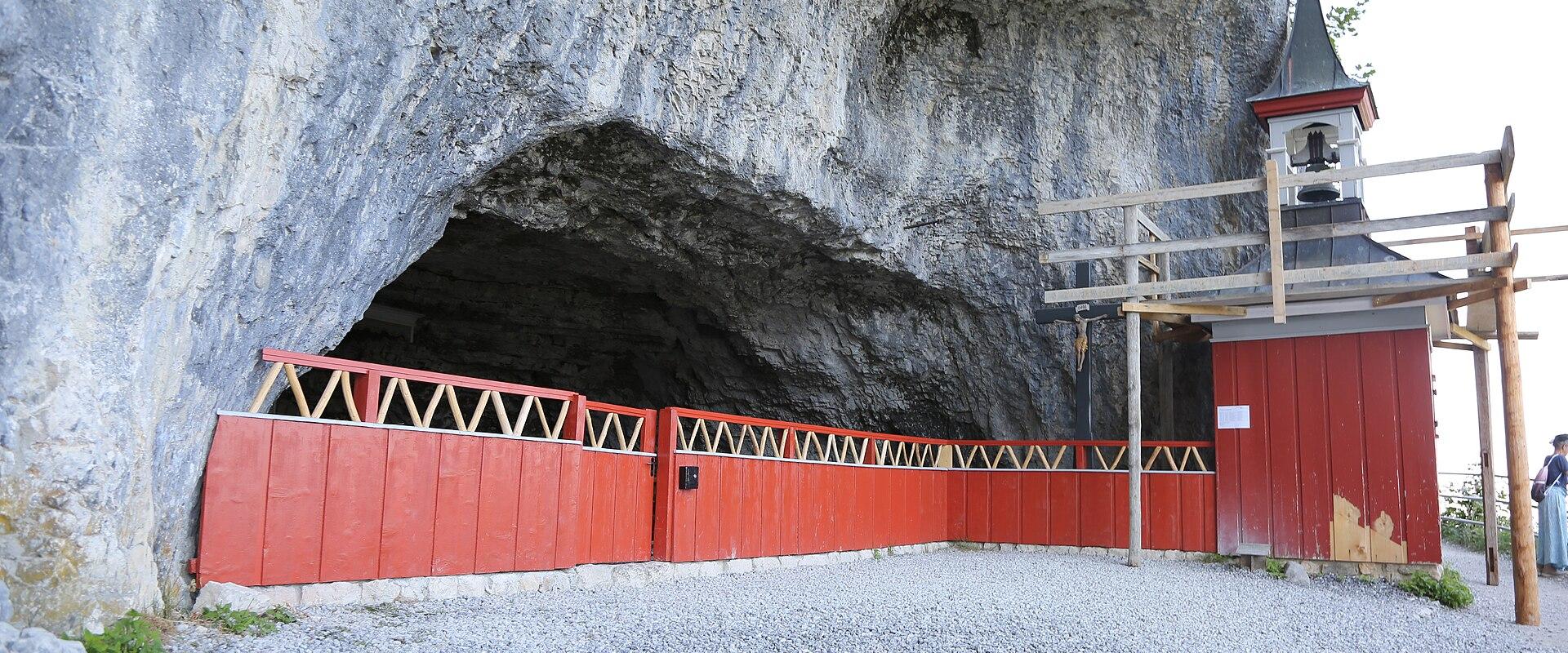
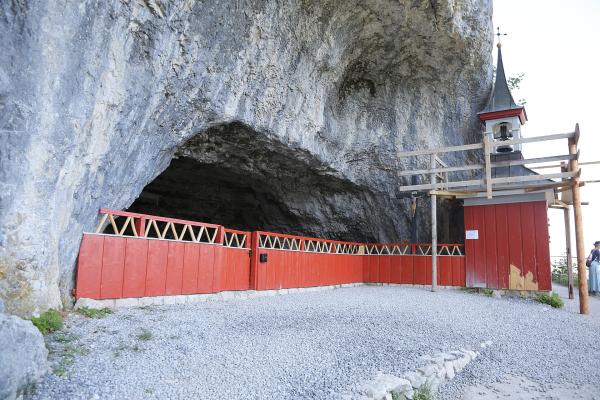
The Wildkirchli is a group of caves in a limestone cliff on the Ebenalp, in the Alpstein, in the canton of Appenzell Innerrhoden, and it is a place where geology, religion and prehistory meet. The caves lie about a hundred metres below the top of the Ebenalp, in a steep rock face, and they are reached by a short, spectacular path from the cable car station, cut into the cliff with railings and stone steps. The name means wild little church, and it comes from the chapel that was built inside one of the caves, a plain building in the hollow of the rock that has been used as a place of prayer for centuries.
The use of the caves by people began long before any chapel. In the early twentieth century, scientists excavated the floor and found a rich layer of material, including the bones of cave bears, an extinct species that lived in the Alps during the Ice Age, along with stone tools and traces of fires. The finds, made in the years after 1904, were evidence that early humans, possibly Neanderthals, had used the caves as a hunting camp tens of thousands of years ago, during the warm intervals of the last Ice Age. The Wildkirchli became one of the most important Palaeolithic sites in the Swiss Alps, and a reminder that the mountains were visited by people far earlier than expected, even when glaciers covered much of the region. The finds are kept in museums, and a small display at the site explains them.
The religious history is also remarkable. In the seventeenth century, hermits began to live in the caves, drawn by the solitude and the grandeur of the setting, and a chapel and a small dwelling were built under the rock overhang. A series of hermits lived there for more than two centuries, and they were visited by pilgrims and travellers, who came for the spiritual atmosphere or simply to see the curiosity. The last hermit left in the nineteenth century. The hermitage and chapel are preserved, with their low ceilings and simple furnishings, and the main cave contains a small altar and a modest interior.
Beside the caves stands the Aescher, the mountain inn built into the cliff, which came into being as a place for pilgrims and walkers, and which is described separately. A walk can include the caves, the inn, the summit of the Ebenalp and a descent to the Seealpsee, so a day can combine nature, history and food. The path from the cable car is short, around ten to twenty minutes, but it has steps and uneven ground, and it is exposed in places, so sturdy shoes are needed and it may be unsuitable for people with mobility problems or a fear of heights. In winter the path may be closed or icy, so check conditions.
The caves are free to visit, and opening conditions depend on the season and weather. Wear warm clothing, since it is cool inside the caves, and bring a torch if you want to explore the darker corners. Visitors should treat the site with respect, avoid removing stones or objects and not disturb the chapel. The site suits families, history readers and walkers, and a visit takes about an hour with the walk.
Categories
More photos coming soon
Nearby Attractions
Other places to visit in Appenzell
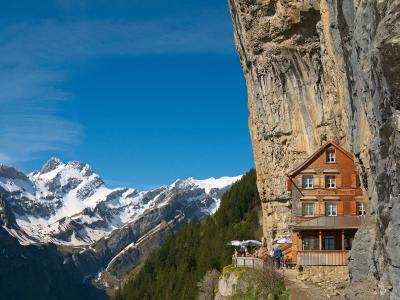
Aescher Cliff Restaurant
19th-century cliffside restaurant in Appenzell
Food & Gastronomy · Natural Wonders
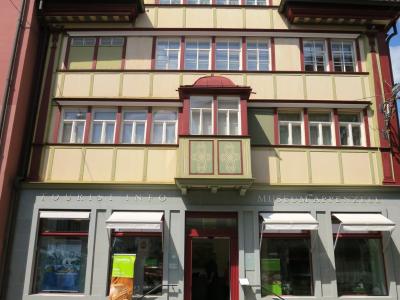
Appenzell Museum
Appenzell folk and everyday culture museum
Museums · Traditional Cuisine
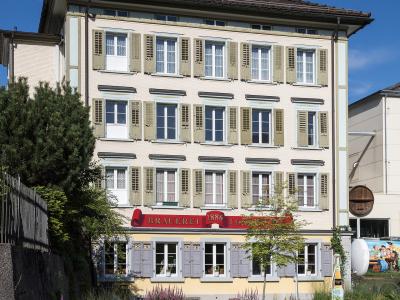
Brauerei Locher
Fifth-generation family brewery in Appenzell
Guided Tours · Traditional Cuisine
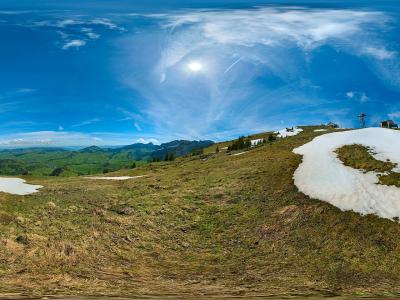
Ebenalp
Alpine cable car in Appenzell, Switzerland
From CHF 24 Activities & Adventure · Natural Wonders
Questions people ask
Quick Facts
Best Time to Visit
May to October offers mild weather, open hiking trails, and vibrant village life—ideal for exploring Appenzell’s culture and alpine scenery.