







- Where
- Appenzell, Eastern Switzerland
- Directions
- Directions
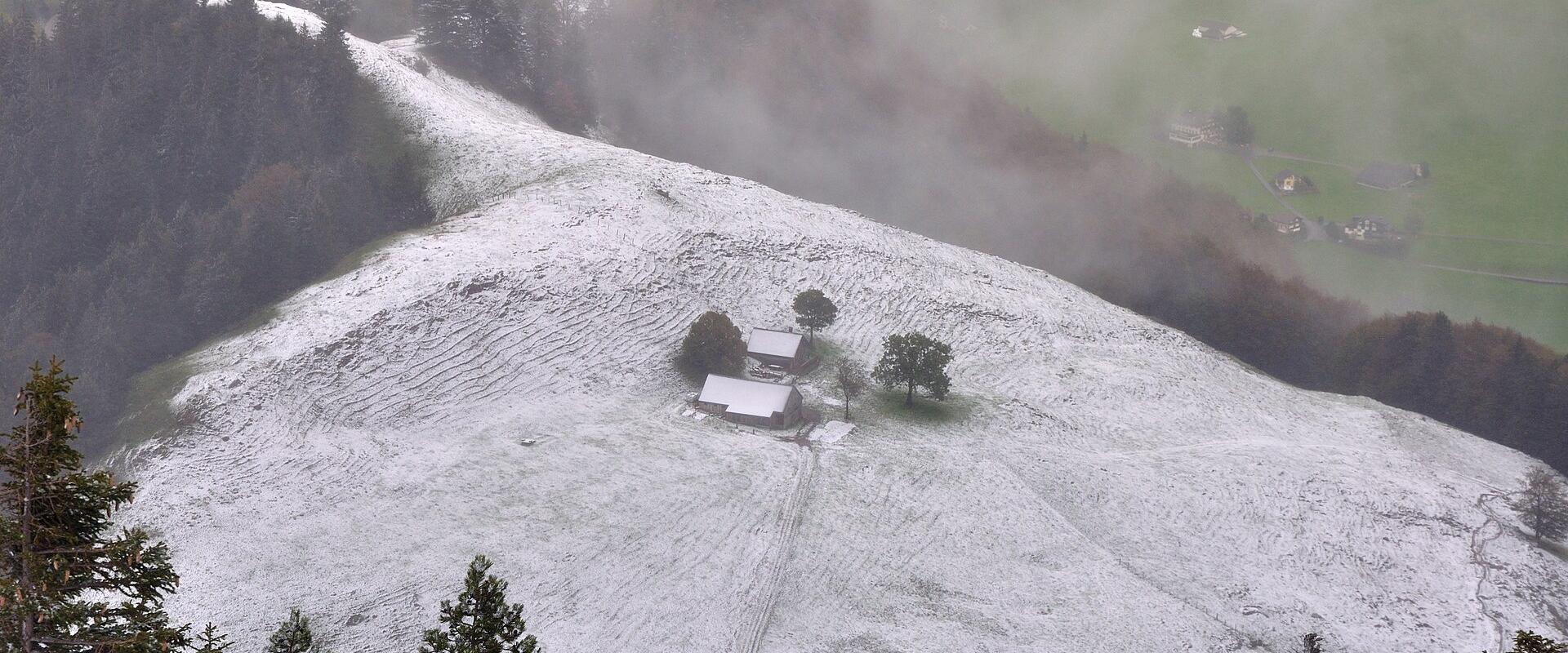
The district of Schwende-Rüte, written Schende in some places, is a district of the canton of Appenzell Innerrhoden formed in 2022 from the merger of two earlier districts, Schwende and Rüte. It is the largest of the six districts of the smallest Swiss canton by population, and it covers most of the mountain landscape of the Alpstein, the compact range that rises above the rolling hills of eastern Switzerland and is dominated by the peak of Säntis. The district includes a string of villages and hamlets, among them Weissbad, Brülisau and Wasserauen, which act as the gateways to the mountains and lie a short distance from Appenzell, the canton's main village.
The landscape is the main attraction. The Alpstein is a limestone massif of sharp ridges and cliffs, and its character is unmistakable: green pastures and farmsteads at the foot, steep wooded slopes above and bare rock faces higher up, with small mountain lakes in deep hollows. The area is crossed by a dense network of walking trails, from easy valley paths to high ridge routes, and many of the best known places in the region lie within the district, including the Seealpsee, a lake below the cliffs, and the Ebenalp, a terrace reached by cable car from Wasserauen. From Brülisau a cable car climbs to the Hoher Kasten, a viewpoint at close to 1,800 metres with a restaurant and a wide panorama over Lake Constance, the Rhine valley and the mountains of Austria and Liechtenstein.
The culture is as distinctive as the scenery. Appenzell Innerrhoden is one of the most traditional parts of Switzerland, and its customs are visible in daily life. Farmers still drive their cows to the high pastures in spring and back down in autumn in colourful processions, with herders in traditional costume and cattle with decorated bells. Folk music, with its characteristic combination of violin, dulcimer and double bass, is performed in village inns, and the local dialect is among the most distinctive in the country. The region's best-known product is Appenzeller cheese, a hard cheese washed during ageing with a secret herbal brine, which gives it a strong, spicy flavour. Painted wooden houses, with long rows of small windows, are a feature of the villages.
In winter, the district offers modest skiing and sledging on the lower slopes, and some lifts operate for evening skiing in good snow conditions, though the area is smaller and lower than the great Alpine resorts, so snow cover can vary. Cross-country skiing and snowshoe trails are also available, and the quiet of the winter landscape has its own appeal.
The district is easy to reach by the narrow-gauge railway from Appenzell to Wasserauen, which runs through Weissbad, and by bus, so a car is not essential. Accommodation ranges from mountain inns to hotels in Weissbad. The area suits walkers, families and anyone who enjoys traditional culture and a gentle pace. Mountain weather can change quickly, so bring warm layers and rain protection, and check cable car schedules and trail conditions before you set out. Summer and early autumn are the best seasons for walking.
More photos coming soon
Nearby Attractions
Other places to visit in Appenzell
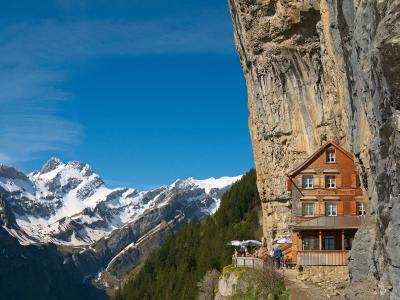
Aescher Cliff Restaurant
19th-century cliffside restaurant in Appenzell
Food & Gastronomy · Natural Wonders
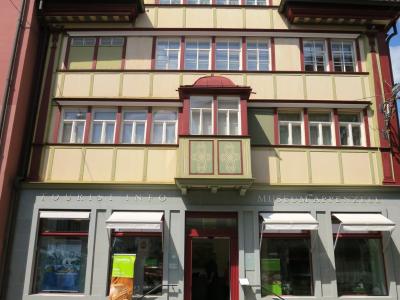
Appenzell Museum
Appenzell folk and everyday culture museum
Museums · Traditional Cuisine
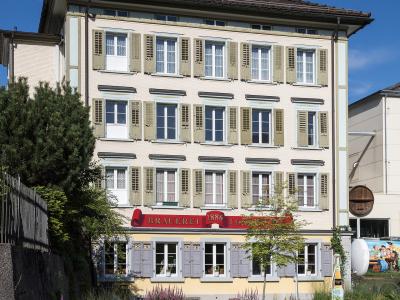
Brauerei Locher
Fifth-generation family brewery in Appenzell
Guided Tours · Traditional Cuisine
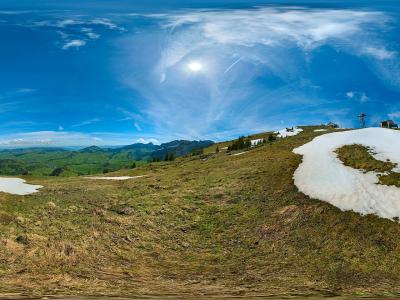
Ebenalp
Alpine cable car in Appenzell, Switzerland
From CHF 24 Activities & Adventure · Natural Wonders
Questions people ask
Quick Facts
Best Time to Visit
May to October offers mild weather, open hiking trails, and vibrant village life—ideal for exploring Appenzell’s culture and alpine scenery.