
2-day itinerary
Bellinzona Cultural Heritage
UNESCO castles and alpine trails in Bellinzona
- Length
- 2 days · 11 sights
- Pace
- Moderate
- Estimated cost
- CHF 195 per person
- Based in
- Bellinzona
Day by day
-
Day 1: The Three Castles & Medieval Heart
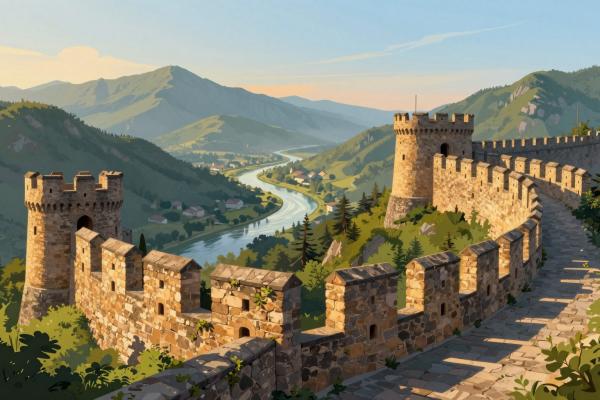
Dedicate the first day to exploring the UNESCO World Heritage fortresses that define Bellinzona. This day focuses on the architectural marvels of Castelgrande, Sasso Corbaro, and Montebello, interspersed with local cuisine and a guided historical tour.
-
09:00
Castelgrande Castle Exploration
Start your day at the largest and most imposing of the three castles. Located on the highest rock, it offers the best panoramic views of the valley. Explore the archaeological exhibits and the medieval walls.
About 1.5 hours
-
10:30
Experience The Middle Ages Tour
Join a guided tour through Bellinzona’s historic quarter and fortress walls. Learn about the strategic importance of these fortifications against Milanese forces and the history of the Sforza family.
About 60 min
-
11:30
Sasso Corbaro Castle Visit
Hike or take the local bus up to Sasso Corbaro. This hilltop fortress provides stunning views and houses a museum dedicated to the history of the castles. It is the most remote of the three, offering a sense of isolation and defense.
About 45 min
-
12:30
Lunch in the Historic Center
Enjoy a traditional Ticino lunch in the Piazza Grande area. Try local specialties like risotto or polenta.
About 60 min
-
14:00
Castello Di Montebello & Archaeological Museum
Visit the third castle, located at the foot of the other two. It is the most accessible and houses the Archaeological Museum with exhibits from prehistoric times to the Middle Ages. The surrounding park is perfect for a relaxing walk.
About 1.5 hours
-
15:30
Engage in a fun scavenger hunt through the three castles and the historic center. This interactive activity is great for families and helps reinforce the history learned earlier in the day.
About 60 min
-
17:00
Sunset Views at the Fortifications
Walk along the high walls connecting the castles. Enjoy the golden hour light on the medieval stone structures and the panoramic views of the Alps.
About 60 min
- Meals:
- Lunch at Piazza Grande Area; Dinner at Near Castello Di Montebello
- Where to stay:
- Stay in the historic center near Piazza Grande for easy access to the castles and restaurants. Alternatively, choose a hotel near the train station for convenience.
- Getting around:
- The three castles are connected by walking paths and a local bus service. Walking is recommended for the fit, but the bus is available for those with mobility issues or young children.
-
09:00
-
Day 2: Nature, Culture & Local Flavors
The second day balances outdoor adventure with cultural immersion. Enjoy the thrill of the Tibetan bridge, explore the medieval village of Prada, and shop for local goods at the Saturday market.
-
09:00
Carasc Tibetan Bridge Experience
Cross the 270m long Tibetan bridge suspended 130m above the valley. This adrenaline-pumping activity offers breathtaking views and is a unique way to experience the landscape.
About 2 hours
-
11:00
Visit the 14th-century village nestled in the hills. Explore the narrow cobblestone streets, ancient houses, and enjoy the quiet atmosphere away from the main tourist crowds.
About 1.5 hours
-
12:30
Lunch in Prada or Return to Center
Have a light lunch in Prada or return to Bellinzona center for a wider selection of restaurants.
About 60 min
-
14:00
Visit this neoclassical villa surrounded by a beautiful park. The museum features regional art and a vineyard, offering a glimpse into the cultural and agricultural heritage of Ticino.
About 1.5 hours
-
15:30
Explore the historic market for local produce, crafts, and souvenirs. This is the best place to buy local honey, cheese, and textiles. (Note: If not Saturday, visit the Bellinzona Local Market).
About 2 hours
-
17:30
Fortini Della Fame & Final Walk
Conclude the trip with a walk around the Fortini Della Fame, smaller fortifications that complement the main castles. Enjoy a final gelato or espresso in the main square.
About 60 min
- Meals:
- Lunch at Prada or City Center; Dinner at Bellinzona Center
- Where to stay:
- Same accommodation as Day 1. If departing, ensure travel time to the station is accounted for.
- Getting around:
- Public transport (bus/train) is efficient for reaching the Tibetan Bridge area and Prada. Walking is sufficient for the city center.
-
09:00