







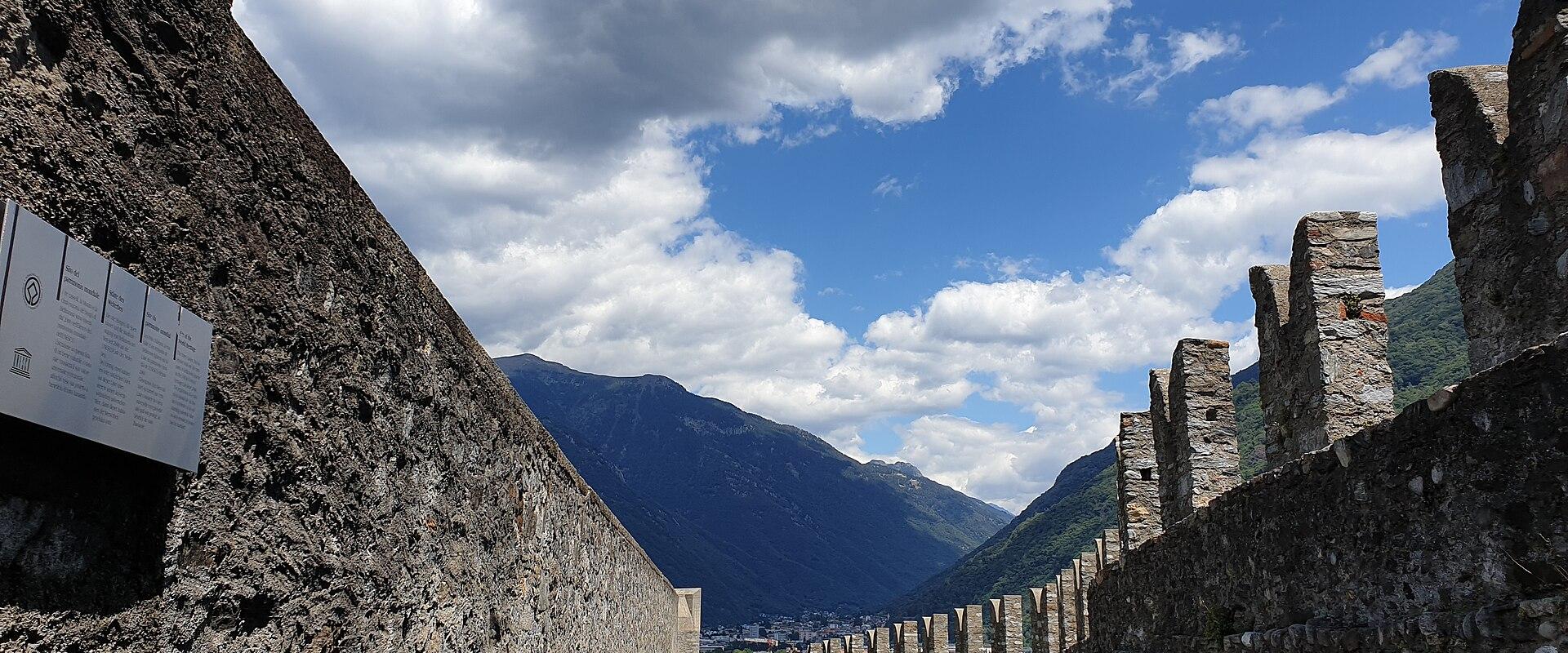
Fortini Della Fame Fortresses
Medieval Alpine fortresses and UNESCO heritage
- Where
- Bellinzona, Ticino
- Directions
- Directions
The name Fortini della Fame means forts of hunger, and it belongs to a set of small nineteenth-century fortifications in southern Ticino, in the Bellinzona area, that local tradition links to a period of hardship. The story goes that in the 1850s, when relations between Switzerland and Austrian-ruled Lombardy were tense and Ticino's economy was suffering, the authorities ordered the construction of defensive works partly as relief work, giving paid employment to people who were struggling to feed their families. The works were built by hand in stone and earth, and they were never needed in battle, but they survive as a reminder of a difficult time. The accounts of the forts differ in detail, so it is best to check with local sources for specifics about their dates and locations.
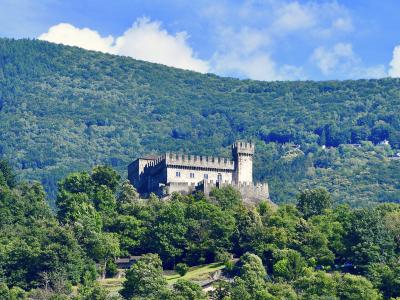
These small forts should not be confused with the three famous castles of Bellinzona, Castelgrande, Montebello and Sasso Corbaro, which date from the Middle Ages and the fifteenth century and form a UNESCO World Heritage site. The castles, which are described in separate entries, are large, well-preserved medieval fortresses with museums and visitor facilities. The Fortini are much more modest, closer to earthworks and low stone structures, and they have not been developed as visitor attractions to the same degree. A visit is therefore a quieter, more exploratory experience, suited to people who enjoy walking and local history.
The setting of the Bellinzona region is part of the story. The town lies in a narrow valley at a point where the road from the south splits toward several Alpine passes, so for centuries it was a strategic gateway between Italy and the northern lands. Defences of all periods have been built around it, from Roman and medieval walls to the great fortifications of the Milanese dukes and the more recent forts of the nineteenth and twentieth centuries. Seen in this light, the Fortini della Fame are one of the later layers in a long sequence of fortification, and they show how the same landscape continued to be used as the political situation changed.
Visitors who want to see the forts should look for local walking maps and information from the Bellinzona tourist office, which can say which are accessible and in what condition. Some may be overgrown or on private land, and others may be reachable by marked trails, so it is wise not to expect signposted facilities. Wear sturdy shoes, bring water, and respect any fences or closure signs, since old structures can be unstable. Walking in the hills around Bellinzona is pleasant in spring and autumn, when it is cooler, and the views of the valley and the castles from the slopes are a good reward.
The Fortini suit walkers, history readers and anyone who likes quiet, lesser-known places. They can be combined with a visit to the castles, the Saturday market and the old town, so that a day in Bellinzona mixes the grand and the humble sides of the town's military history. Allow two to three hours for a walk, and plan to return before dark, since paths may be poorly lit.
Categories
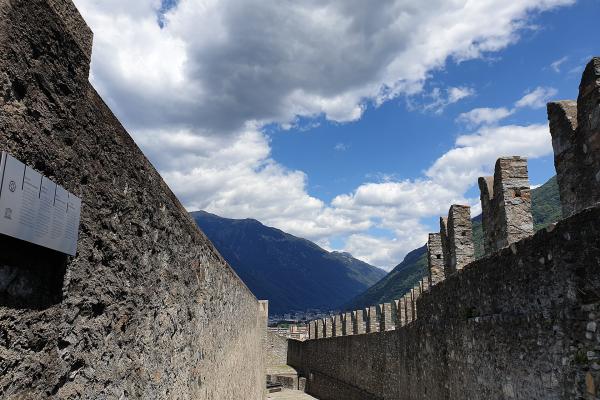
More photos coming soon
Nearby Attractions
Other places to visit in Bellinzona
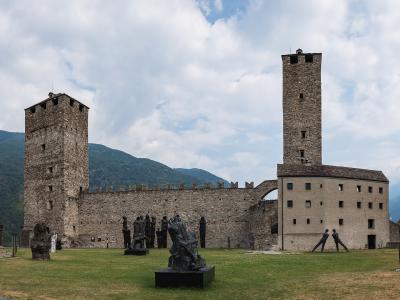
Castelgrande
Largest medieval castle in Bellinzona’s UNESCO fortress
History & Heritage · Castles
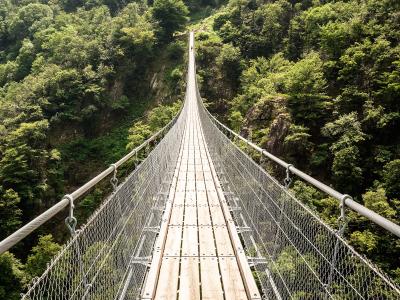
Carasc Tibetan Bridge
270m Tibetan bridge 130m above Bellinzona valley
Activities & Adventure · Natural Wonders
Sasso Corbaro Castle
Medieval hilltop fortress with panoramic views
History & Heritage · Castles

Bellinzona Local Market
Weekly market with local food and crafts
Cultural Experiences · Food & Gastronomy
Questions people ask
Quick Facts
Best Time to Visit
April to October offers mild weather, open castles, and ideal conditions for exploring Bellinzona’s old town, markets, and hiking trails.