
Raron sits at 644 meters on a terrace above the Rhône, and its story begins with the rock behind the village. The settlement goes back to Roman times, but it rose to importance in the Middle Ages, when the Lords of Raron held the castle on the crag and controlled much of the Upper Valais. Their power faded long ago, yet the buildings they left shaped the village, and the climb up to the rock is still the first thing most visitors do.
The Burgkirche St. Romanus is the centre of attention. It is a fortified church, with thick walls and a position that once made it a refuge for villagers in times of conflict. From its terrace you look over roofs, vineyards and the flat valley floor to the mountains opposite. The Felsenkirche St. Michael, cut into the cliff, is smaller and darker, and the contrast between the two says a good deal about how faith and defence were bound together in this part of Valais. Both churches are reached by a short, steep walk from the village streets.
The churchyard of the Burgkirche holds the grave of Rainer Maria Rilke, who died in 1926 and was buried here the following year, in the valley he had come to love in his last years. His tomb is a simple stone with a rose and a short self-composed verse, and it is rarely crowded. Near the ruins of Raron Castle, the Museum auf der Burg covers local history, archaeology and the Rilke connection, and gives context for the stones outside.
In the old part of Raron, narrow lanes run between dark timber houses and stone buildings, among them the Maxenhaus, a historic house in the upper Valais style. The village is small enough to cover on foot in an hour, which leaves the rest of the day for the surrounding country. The Heidnischbiel, a rocky hill above the valley, is a short walk and an easy place to look back at the village. Further afield, the Bietschtal is a wild side valley south of the Rhône, and the Bietschtal Bridge Adventure Course offers a guided way across its gorge. The Jolischlucht, a gorge with a suspended footbridge, is another outing for those who are comfortable with heights.
Vineyards climb the south-facing slopes around Raron, as they do across the Valais, and local inns serve regional dishes such as raclette and dried meats alongside wines from the valley. The cultural calendar is modest but real: village festivals, church concerts and markets follow the rhythm of the farming year.
Raron has a station on the main line through the Rhône Valley, with regular trains to Visp, Brig and the rest of Valais, and the Lötschberg railway connects the area with Bern. Drivers follow the valley road, and local buses reach the trailheads. The village is useful as a base for day trips towards Brig, the Lötschental and the Jungfrau region.
July to September brings the warmest weather and fully open trails, and the valley is lively with festivals and outdoor activity. Spring and autumn are quieter, with softer light on the vineyards and fewer visitors at the churches. Winter is calm, with snow on the peaks and short days, and the churches are still worth the climb for the clear air and the view. Getting around is easy on foot, and the surrounding Alps frame every walk. Raron’s churches, the grave and the valley views make a compact and memorable visit. Raron is a plain Swiss village in the best sense.
Best time to visit
July to September offers warm weather, open trails, and ideal conditions for hiking, sightseeing, and exploring Raron’s churches and valley views.
What to see in Raron
Our picks first.
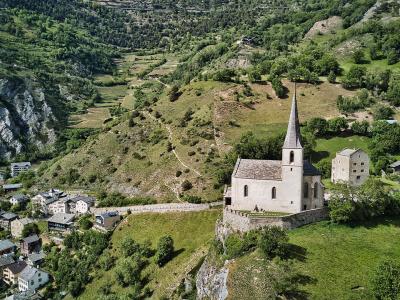
Burgkirche
Historic church in Raron, Switzerland
History & Heritage
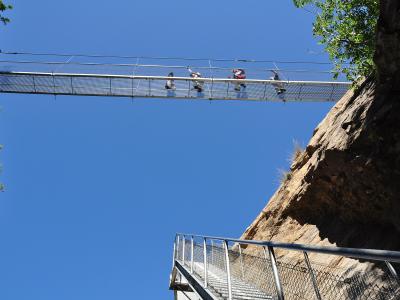
Jolischlucht (Suspended Footbridge)
25m suspension bridge in the Joli Gorge
Free Mountains · Viewpoints
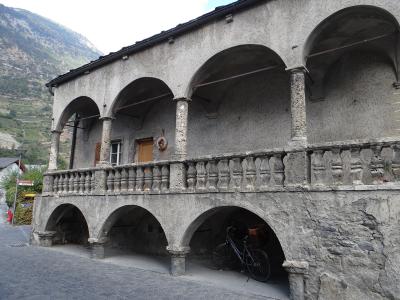
Maxenhaus
Historic house in Raron, Switzerland
History & Heritage · Urban Exploration
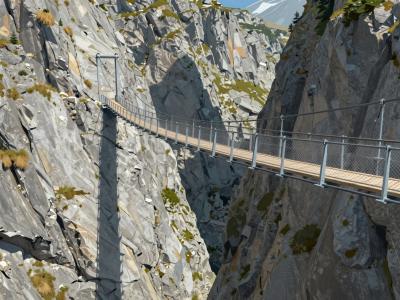
Bietschtal Bridge Adventure Course
Guided via ferrata through the Bietsch valley
Guided Tours · Mountains
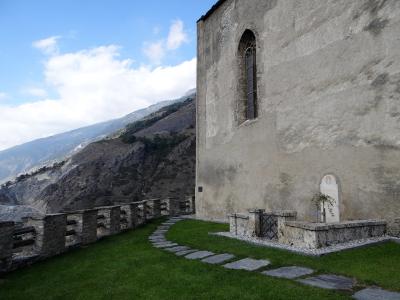
Tomb Of Poet Rainer Maria Rilke
Rilke's tomb in St. Romanus Church, Raron
Cultural Experiences · History & Heritage
Raron by interest
The same sights, grouped by what you came for.
Planning a visit to Raron
Itineraries that include Raron
Good to know
- Currency
- CHF
- Language
- German, French, Italian and Romansh
Quick Facts
Book your stay
Questions people ask
More places in Valais

Valais
Zermatt
Car-free alpine resort with Matterhorn views and glacier hikes
Valais
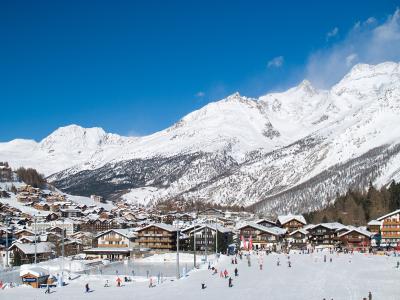
Saas-Fee
Car-free glacier village with year-round alpine adventure
Valais
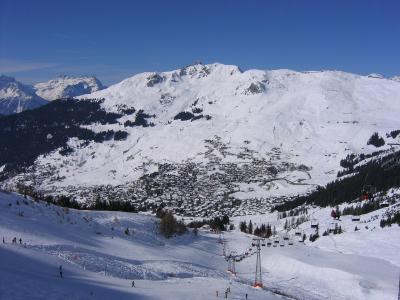
Verbier
World-class ski resort with alpine views and vibrant après-ski

Valais
Crans-Montana
Sunny Valais resort for skiing, hiking, and alpine golf