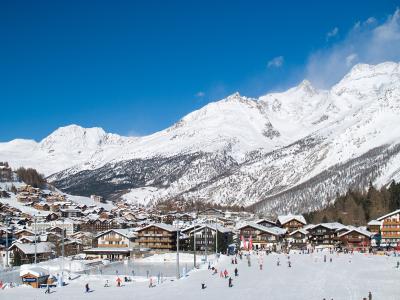
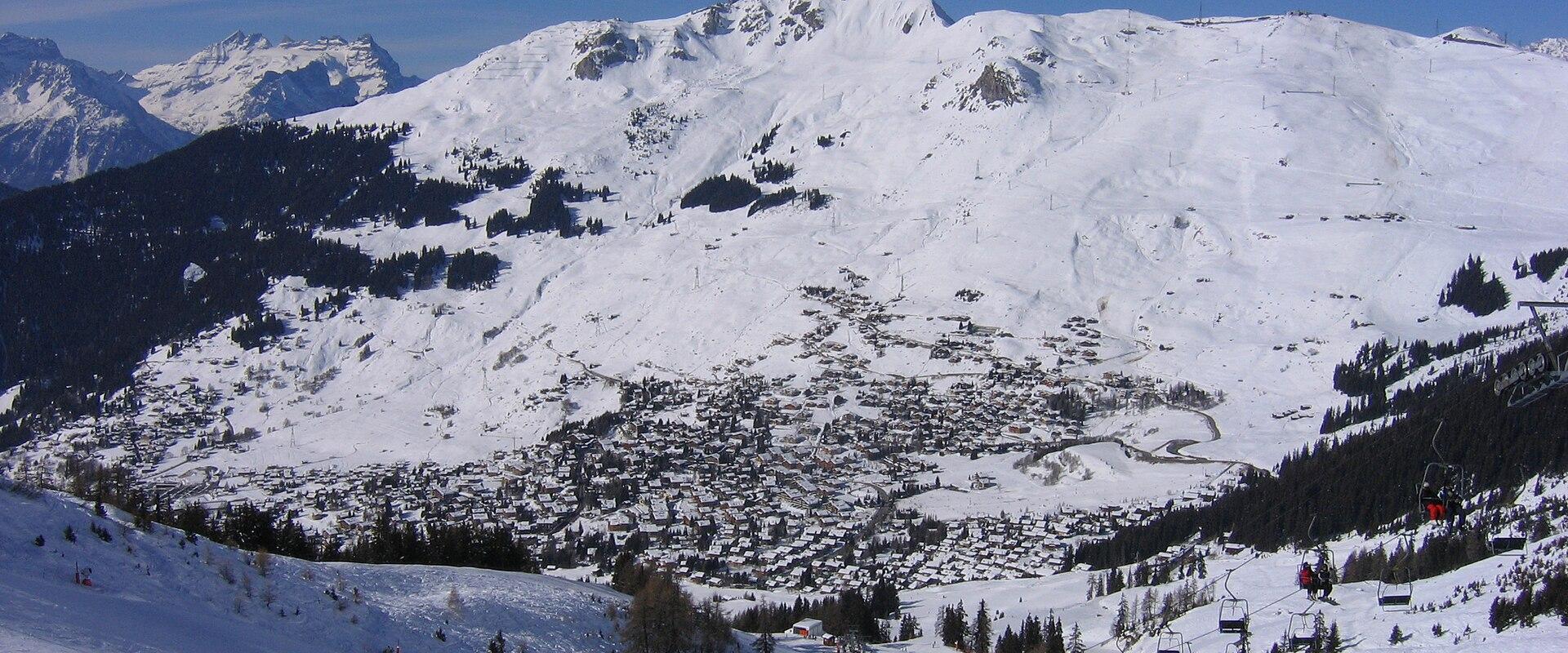
Verbier sits on a sunny plateau overlooking the Val de Bagnes, above the valley town of Le Châble, and it has earned its place among Europe’s best-known mountain resorts. Its life as a tourist destination began in the early 20th century, when skiers and mountaineers discovered its wide slopes and dramatic peaks. Over the decades it has become a cosmopolitan village where rustic alpine architecture meets modern luxury and an international clientele.
History and Heritage The village’s roots show in its wooden chalets and old farmhouses, many converted into boutique hotels, restaurants and shops. Verbier’s growth accelerated after World War II, with the construction of ski lifts and the creation of the 4 Vallées ski area, now one of the largest in the Alps. Despite that growth the village has kept a mountain character, with a welcoming local community and strong ties to the traditions of the Val de Bagnes, among them the cheese made on the high pastures and the cattle fights of the Valais.
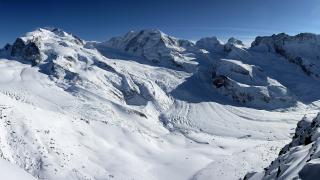
Main Attractions The principal draw is world-class skiing and snowboarding. The 4 Vallées area offers over 400 kilometres of pistes, legendary off-piste terrain, including the Vallon d’Arby, and the Mont Fort summit at 3,330 meters. The Verbier Snowpark, toboggan runs and ski schools cater to all ages and abilities, and the Verbier Xtreme freeride competition draws the world’s best skiers to the Bec des Rosses each spring. Off the slopes the village is known for its après-ski, with lively bars, gourmet restaurants and nightclubs.
In summer Verbier turns to walking and biking, with trails through alpine meadows and forests and up to viewpoints. The Bisse du Levron trail is a gentle family walk beside an old irrigation channel, the Mont Rogneux climb is a harder outing, and the Mauvoisin Dam, one of the highest arch dams in the world, is a popular drive and walk. The Verbier 3-D Foundation Sculpture Park, set at about 2,300 meters on the Alp de Chaux, mixes art with mountain air, and local fromageries offer a taste of regional cheese. The annual Verbier Festival brings world-class classical music to the mountains each summer, and high lakes such as Lac des Vaux and Lac de Louvie reward a long day’s walk.
Activities Verbier is a year-round adventure hub. In winter, visitors can ski, snowboard, try heli-skiing, snowshoe and go dog sledding, while paragliding, ice climbing and spa days offer alternatives. Summer activities include hiking, mountain biking, golf, yoga and horse riding. The events calendar is full, from classical music and jazz festivals to mountain marathons and cycling races, and the Croix de Cœur viewpoint gives a short, rewarding walk from the lift station.
Getting There Verbier is reached by train to Le Châble, followed by a short gondola or bus ride up to the village. By car, the drive from Geneva or Lausanne takes about two hours, with parking available at the base station and in the village. Once in Verbier, free shuttle buses and lifts connect the main attractions, and the compact centre is easy to explore on foot.
Seasonal Advice The best time depends on interests. December to March is the peak ski season, with reliable snow and a festive mood. January and February offer the best powder conditions, while March and April bring longer days and spring skiing. July and August suit hiking, biking and the festival, with warm weather and a busy village. Spring and autumn are quieter, with fewer visitors and soft colours. In every season Verbier’s mix of adventure, comfort and alpine beauty makes a classic Swiss mountain stay.
Best time to visit
December to March is best for skiing and snow sports; July and August offer warm weather, hiking, and festivals in Verbier.
What to see in Verbier
Our picks first.
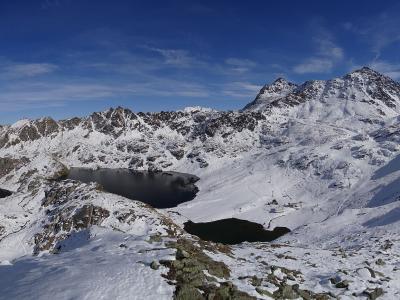
Lac Des Vaux
Alpine lake at 2,543m in La Tzoumaz
Natural Wonders · Walking Trails
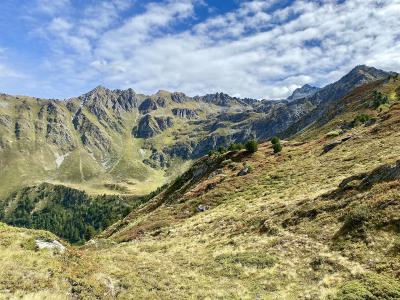
Vallon d'Arby
5.5km freeride route from 2,550m to 1,720m
Free Mountains · Winter Sports
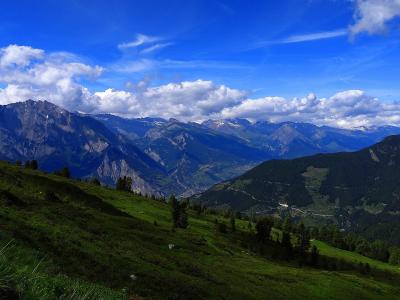
Croix De Coeur
Mountain cross and restaurant in Verbier
Mountains · Viewpoints
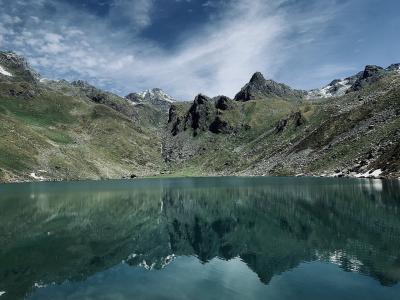
Lake Louvie
Alpine lake in Val de Bagnes
From CHF 45 Activities & Adventure · Natural Wonders
Verbier by interest
The same sights, grouped by what you came for.
Did you know?
Checked facts about Verbier, each with its source.
-
Record
Verbier's Bec des Rosses Hosts Freeriding's Ultimate Showdown
The Xtreme Verbier — since 2008 the final of the Freeride World Tour and widely regarded as the world's most prestigious freeride skiing and snowboarding contest — is decided on the Bec des Rosses, the 3,223-metre peak looming over Verbier. The event began on the mountain's north face in 1996 as a snowboard-only contest, with skiers joining in 2004, and it has been held on the Bec des Rosses ever since, apart from rare cancellations (2016, 2020 and 2023) when snow or pandemic conditions intervened. Its roughly 500-metre face averages around 50 degrees, with sections approaching 60, making it renowned as one of the toughest mountains to ski in the entire Alps.
Source: Wikipedia
Planning a visit to Verbier
Itineraries that include Verbier
Good to know
- Currency
- CHF
- Language
- German, French, Italian and Romansh