
Ernen stands on a sunny terrace above the Rhône Valley, at the entrance to the Goms, the highest and most remote stretch of the Valais valley. The settlement has medieval roots dating to the Middle Ages, and for several centuries it was the administrative and legal centre of the Goms district, which explains the size of its buildings and the quality of their carpentry. The result is a village that looks as though it had been left alone by time: sun-darkened timber houses, narrow alleys and a peaceful village square, with only a few hundred residents.
History and Heritage The square is the natural starting point of a visit. Fountains, carved wooden facades and old storage buildings frame the open space, and the Tellenhaus, built in the 16th century, carries a painted scene of William Tell shooting the apple, a reminder of how widely the legend was known even in remote valleys. Around the village stand granaries on stone stilts, barns and fountains that show how life was organised around alpine farming. The Galgen Ernen, a historic gallows at the village edge, recalls the district's judicial past.
Main Attractions The parish church of St. George, the Pfarrkirche Ernen, is the main monument. Its interior combines late-Gothic structure with baroque painting and altars, and its acoustics are famed among musicians. This quality is why the church is the principal venue of the Musikdorf Ernen festival, founded in 1974 by the Hungarian pianist György Sebők. The International Music Festival, also called the Musikfest, runs through the summer with concerts, masterclasses and workshops, and players of international standing perform in a hall that seats few. Tickets for the best-known concerts go quickly, and many visitors plan the stay around the programme.
Nature is just as present. The Binntal Nature Park opens behind Ernen with flower meadows, forests and mountains known for their mineral deposits, and crystal hunters have worked the valley for generations. The Mineral Trail and guided walks explain the geology, and the Val d'Ernen and the wider Goms offer long, gentle trails and cycling along the river. The Hängebrücke Fürgangen-Mühlebach, a suspension bridge for walkers, gives views down into the gorge and is a favourite short outing.
Activities In winter, Ernen turns to cross-country skiing and snowshoeing, with access to the extensive trail network of the Goms valley floor, one of the best-known cross-country regions of Switzerland. Winter hiking on cleared paths and cosy evenings in village inns round out the offer. Local museums and cultural events, from art exhibitions to concerts, continue the year through.
Getting There By public transport, take the train to Fiesch and continue by bus up to the village. By car, the drive from Brig or Visp takes about thirty minutes, with parking at the village entrance. The centre is compact and easily explored on foot, and buses link Ernen to neighbouring villages and trailheads.
Seasonal Advice June to September is the season for hiking, the music festival and the flower meadows, and December to March suits winter sport. Spring and autumn are quiet, with colourful landscapes and good conditions for mineral hunting and nature walks. Ernen’s mix of concerts, old timber and mountain walking sets it apart from most Alpine villages of its size. The Binn Valley and Binntal together reward a few extra days, and the Rhône Valley below is a short ride away for variety. Swiss mountain villages rarely combine music and architecture so well, and the Goms Valley’s long trails reward every season; the footpath near Mühlebach is an easy extra.
Best time to visit
June to September offers mild weather, open trails, and ideal conditions for hiking, music festivals, and exploring Ernen’s alpine scenery.
What to see in Ernen
Our picks first.
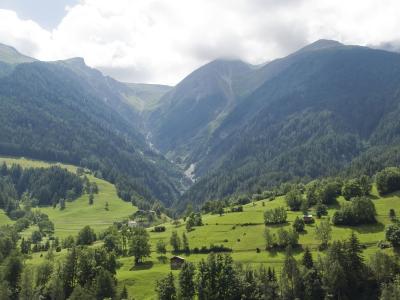
Musikfest
Classical music festival in Ernen, Switzerland
Churches · Cultural Festivals
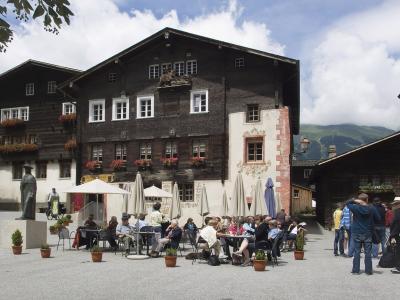
Val d'Ernen
Walser village in the Goms region of Valais
Free Historic Towns · Mountains
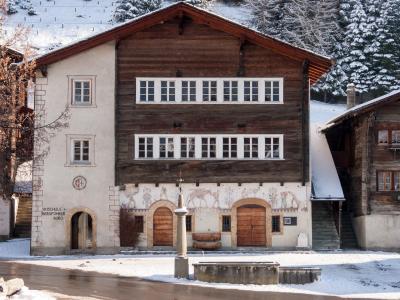
Ernen Village Square
Historic village square in Ernen, Switzerland
Cultural Experiences · History & Heritage
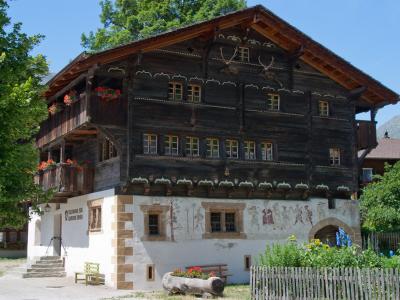
Tellenhaus
Historic heritage house in Ernen, Switzerland
Cultural Experiences · History & Heritage
Ernen by interest
The same sights, grouped by what you came for.
Planning a visit to Ernen
Itineraries that include Ernen
Good to know
- Currency
- CHF
- Language
- German, French, Italian and Romansh
Quick Facts
Book your stay
Questions people ask
More places in Valais

Valais
Zermatt
Car-free alpine resort with Matterhorn views and glacier hikes
Valais
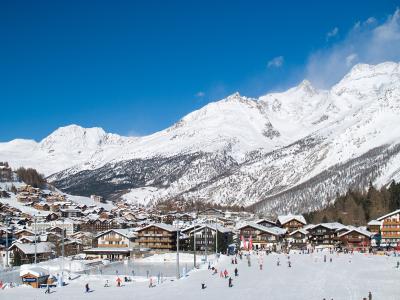
Saas-Fee
Car-free glacier village with year-round alpine adventure
Valais
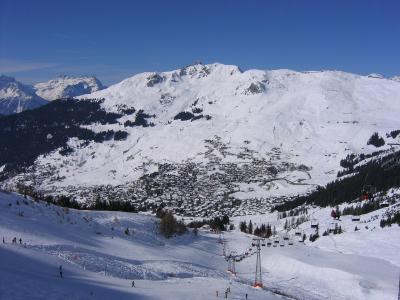
Verbier
World-class ski resort with alpine views and vibrant après-ski

Valais
Crans-Montana
Sunny Valais resort for skiing, hiking, and alpine golf