







- Where
- Val Bavona, Ticino
- Directions
- Directions
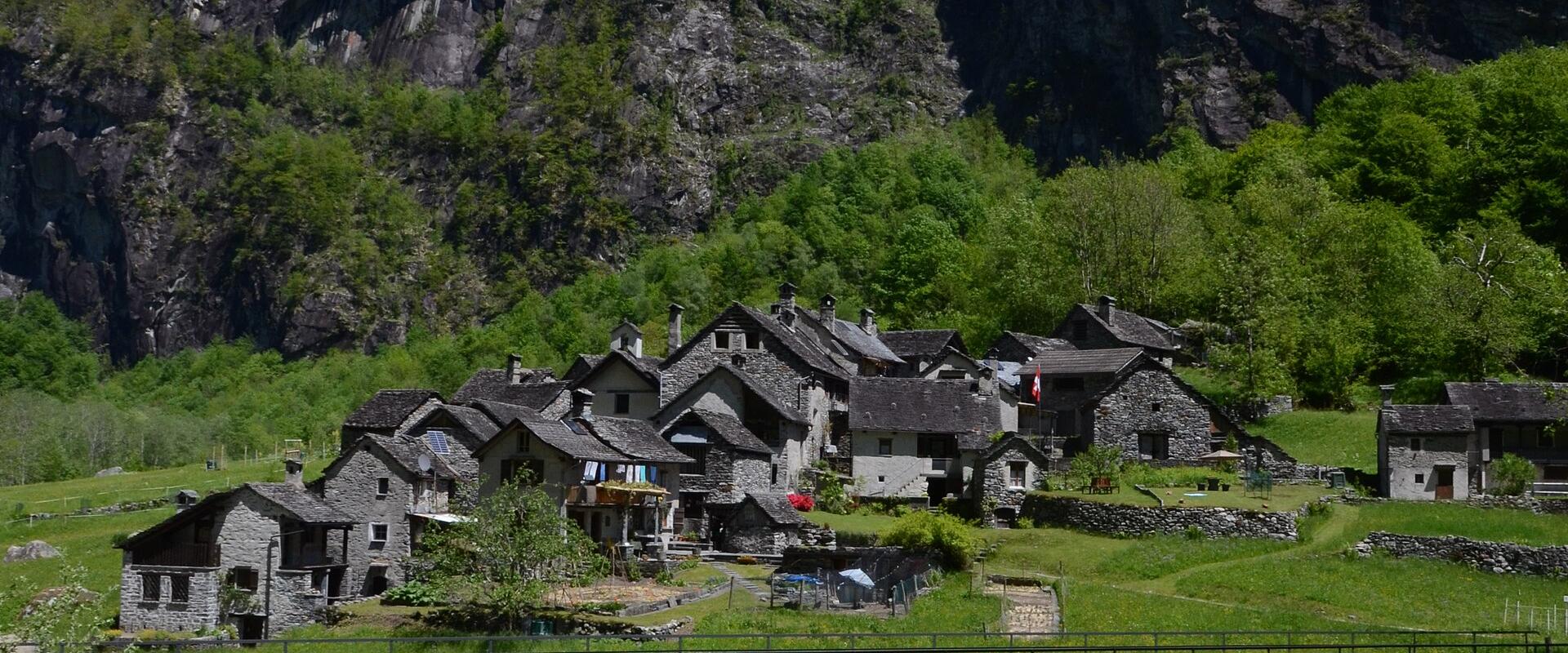
Val Bavona, a steep, narrow side valley of the Maggia in northern Ticino, is one of the wildest and most remarkable landscapes in southern Switzerland. Its floor is strewn with colossal granite boulders that have fallen from the cliffs above over thousands of years, and the people who settled here learned to use them. Beneath the overhang of a huge block, a gap could be walled up with stone to make a dwelling, a stable, a cellar or a shelter for animals, and such places are known in the local dialect as splüi. These shelters are the grottos of the valley, and they are as much a product of human work as of nature.
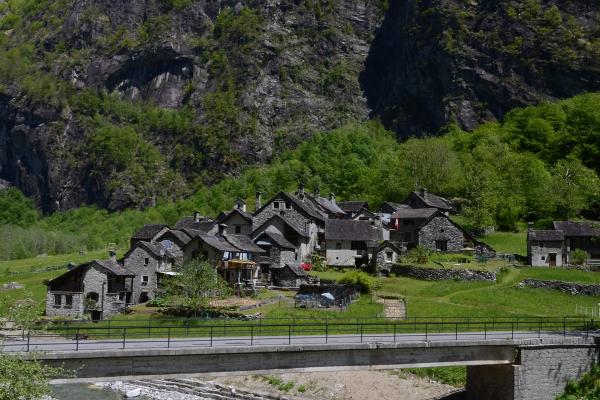
The splüi are one of the most distinctive features of the valley's cultural landscape. Some were homes for shepherds and farmers, others were used for storing cheese and wine in the cool, constant temperature beneath the rock. Walls of dry stone, built without mortar, close the open side, and a small door and window turn a boulder into a house. Alongside them the valley holds villages of stone cottages with roofs of slate and rock slabs, built into the terrain in ways that make the settlements almost invisible from a distance. The whole valley is protected as a landscape of national importance, and its architecture has been carefully conserved.
Walking is the best way to see them. A road runs up the valley, serving the hamlets of Bignasco, Sonlerto, Foroglio and others, and paths link them across meadows and through chestnut woods. At Foroglio, a waterfall drops more than a hundred metres in a single plume from the cliff above the village, one of the most photographed sights of the valley. Stone bridges, including the arched Puntid, cross the river, and small chapels dot the slopes.
The valley's character is shaped by its isolation and by the way it has been used. Many of the hamlets are inhabited only in summer, and winter brings snow and the risk of avalanches. Visitors should treat the buildings with respect, as many are private and some are still used by families.
The valley is best visited from late spring to autumn. Wear sturdy shoes, bring water and allow time to stop and look closely at the stonework.
Categories
More photos coming soon
Nearby Attractions
Other places to visit in Val Bavona
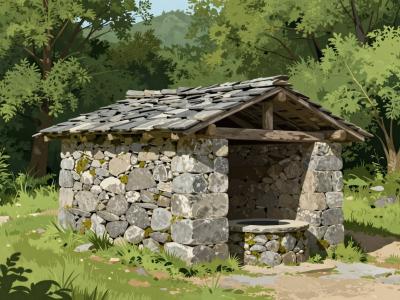
Bagn (village)
Stone village in Val Bavona, Swiss Alps
Cultural Experiences · History & Heritage
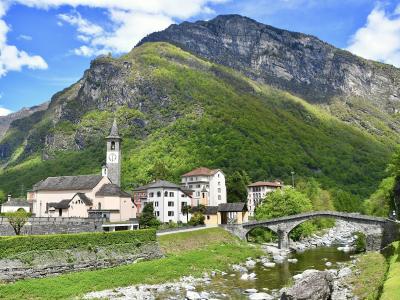
Bignasco (village)
Village in the Swiss Alps
Historic Towns · Mountains
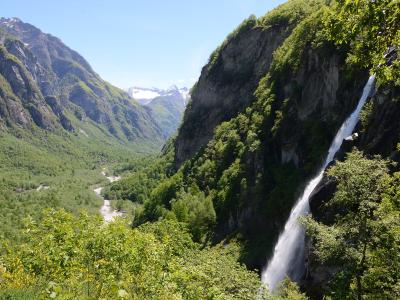
Foroglio Waterfall
110m waterfall in Val Bavona, Swiss Alps
Natural Wonders · Walking Trails
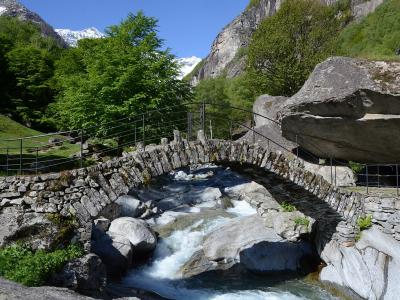
Puntid (Stone Bridge)
Historic stone bridge in Val Bavona
Free Activities & Adventure · History & Heritage
Questions people ask
Quick Facts
Best Time to Visit
Visit from May to September when trails are clear, waterfalls flow strongly, and temperatures are mild and sunny.