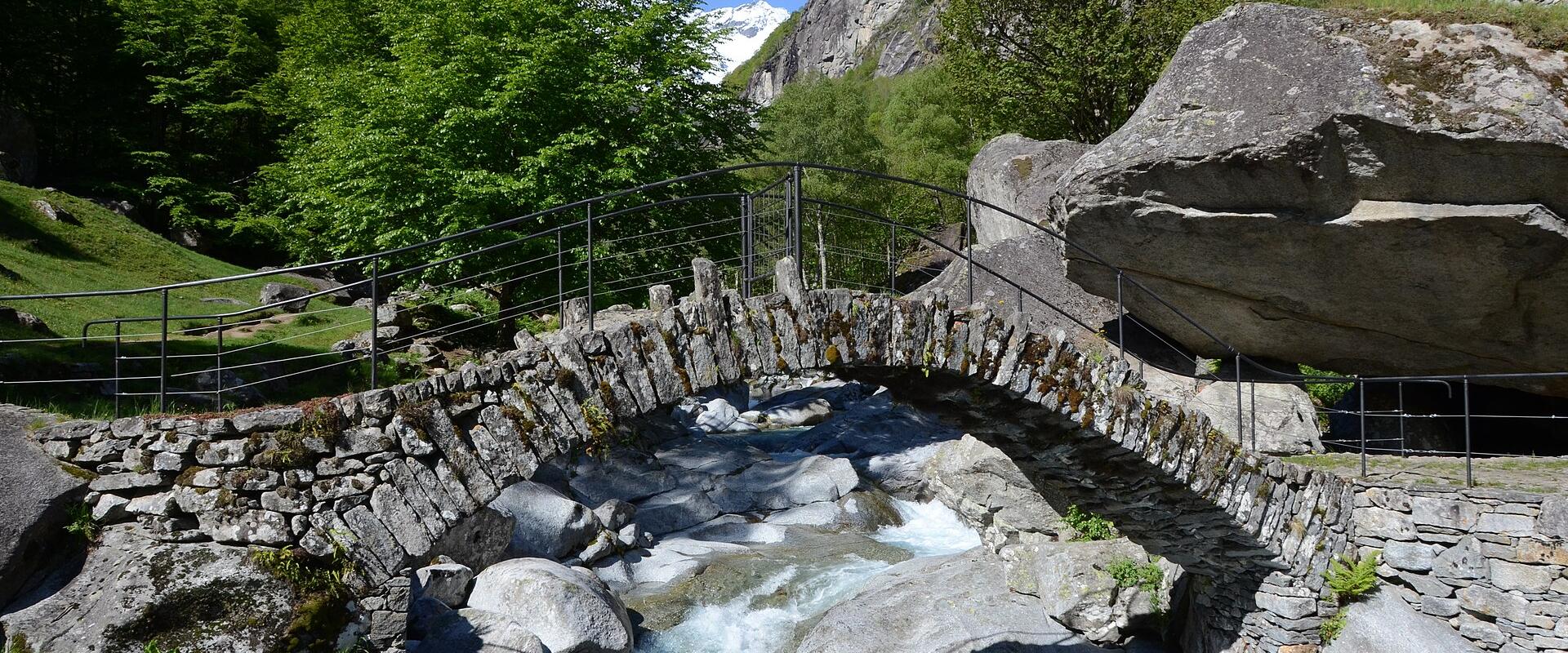
- Admission
- Free
- Hours
- Open 24 hours (public access to the bridge and valley)
- Where
- Val Bavona, Ticino
- Directions
- Directions
The Val Bavona is one of the most extraordinary valleys in Ticino, in southern Switzerland, a long, narrow and steep glacial trough that runs north-west from the village of Bignasco toward the high mountains on the border with Italy. Its floor is strewn with enormous boulders that have fallen from the cliffs over thousands of years, and the people who settled here built their homes, stables and cellars in and under the rocks, using the stones as walls and roofs. The result is one of the most distinctive built landscapes in the Alps, a place where architecture and geology merge, and where the old stone farming hamlets have been preserved with the help of a local foundation.
The valley has no large village. A string of small hamlets, such as Sonlerto, Foroglio, Roseto and San Carlo, lies along the narrow road, each with clusters of stone houses with heavy stone slab roofs, small chapels and stone terraces. Waterfalls tumble from the cliffs, and the best known is the Foroglio waterfall, which drops more than a hundred metres beside the hamlet. The Bavona river, clear and fast, runs through the middle of the valley, and its crossings are made by simple stone bridges built by local people from the rock around them. The Puntid, a stone bridge in the valley, is one of these crossings. The very name comes from the local dialect word for bridge, punt, and it belongs to the network of old paths and bridges that connected the scattered hamlets before the road.
A stone bridge in an alpine valley is a modest thing, but it carries a lot of meaning. The old bridges were built without mortar in many cases, with large stones laid carefully so that they locked together, and their arches or flat slabs were designed to withstand the floods that come down the valley in spring and autumn. They show the skill of local builders, who worked with whatever material was at hand and understood the force of the river. Walking across one gives a chance to look at the stones, the water and the small hamlets beyond, and to understand how people moved through this landscape on foot for centuries.
The valley is reached by a narrow, winding road from Bignasco, with a few passing places, and cars are subject to limits in the busy season, so check access and parking arrangements before you go. Marked footpaths link the hamlets and lead up the slopes, and they are best walked in summer and autumn. Rain can make rocks slippery, and rockfall is a natural hazard, so keep to the paths and take care near cliffs. Some hamlets have simple restaurants, called grotti, in cool cellars under boulders, serving local food and wine.
The valley suits walkers, photographers and anyone interested in vernacular architecture and landscape. Allow a full day to explore it, and bring comfortable shoes.
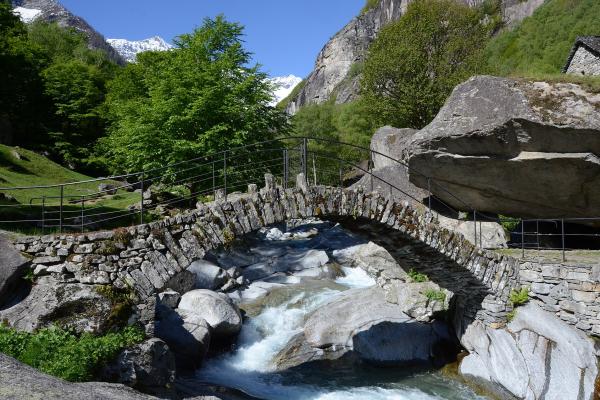
More photos coming soon
Hours & Fees
- Open
- Open 24 hours (public access to the bridge and valley)
- Admission
- Free
Hours and prices change, especially out of season. Check with the venue before you go.
Nearby Attractions
Other places to visit in Val Bavona
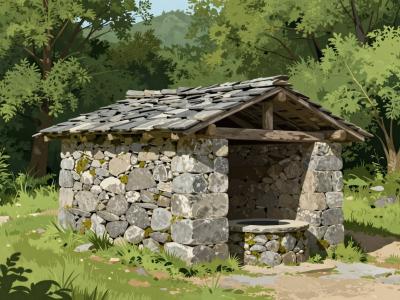
Bagn (village)
Stone village in Val Bavona, Swiss Alps
Cultural Experiences · History & Heritage
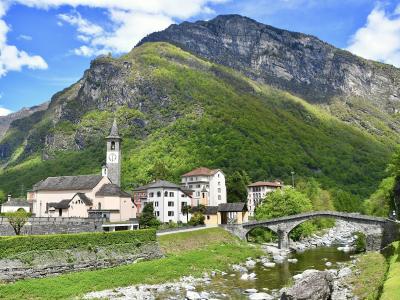
Bignasco (village)
Village in the Swiss Alps
Historic Towns · Mountains
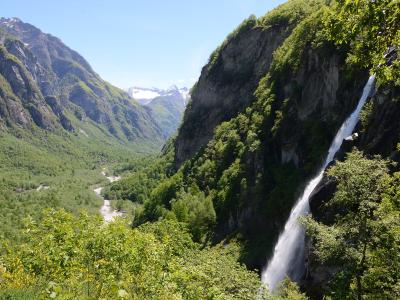
Foroglio Waterfall
110m waterfall in Val Bavona, Swiss Alps
Natural Wonders · Walking Trails
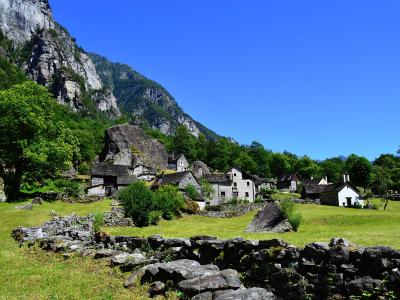
Sabbione (hobbiest Homes)
Granite houses built into rocks in Val Bavona
Historic Towns · Mountains
Questions people ask
Quick Facts
Best Time to Visit
Visit from May to September when trails are clear, waterfalls flow strongly, and temperatures are mild and sunny.