







- Where
- Val Bavona, Ticino
- Directions
- Directions
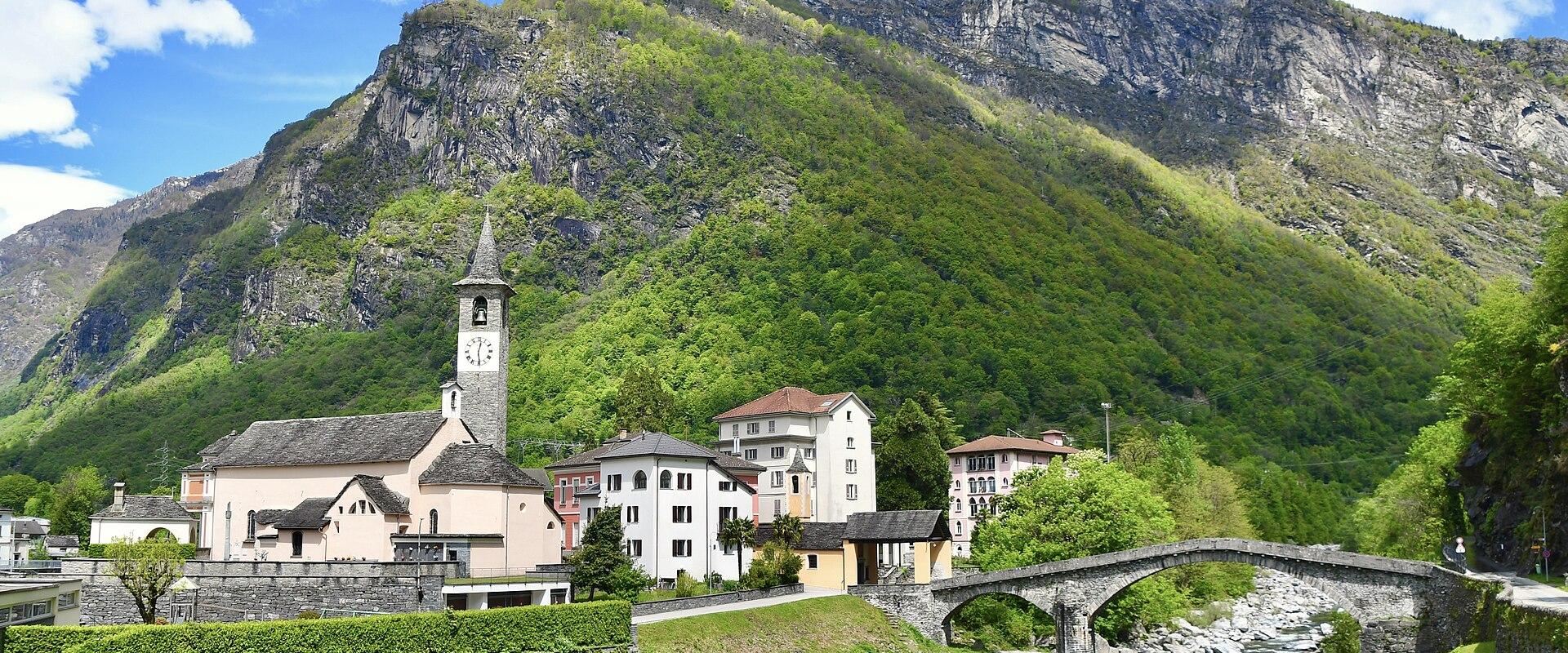
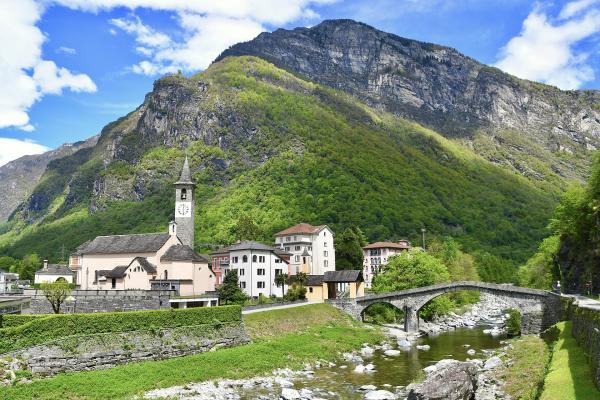
Bignasco is a village in the Valle Maggia, in the north of Ticino, at the place where the Bavona river joins the Maggia, and it is the gateway to one of the most remarkable valleys in the Swiss Alps. The village lies at about 440 metres, and its houses of grey granite, with roofs of stone slabs, climb the slope in tight rows, with narrow lanes, small squares and arched passages between them. The language is Italian, the building style is that of the southern Alps, and the atmosphere is quiet and unhurried. Together with neighbouring Cevio, Bignasco forms the main settlement of the upper valley, and it has a few shops, restaurants, guesthouses and a bus stop, which make it a useful base.
The village sits at the mouth of the Val Bavona, a narrow, steep-sided side valley that runs west into the mountains, and which is often described as the wildest and most unspoiled valley in Ticino. It has no permanent population in winter, since the sun is blocked by the high walls and the valley is prone to avalanches and rockfall, and the settlements are only occupied in the warmer months. Over centuries, the people of the valley adapted to the lack of space and the mass of huge boulders that fell from the mountainsides, building houses, barns and chapels in the shelter of the rocks. Some dwellings use a giant boulder as a roof, with a wall built on the open side, a kind of shelter called a splüi in the local dialect, and the stone terraces and paths built by generations of farmers are a landscape of human effort in the rock.
From Bignasco, a narrow road follows the Bavona river upstream through a series of hamlets, each with a cluster of stone houses and a small chapel. Foroglio, with its waterfall plunging over a cliff above the village, is the best known, and others such as Sabbione, Sonlerto and Fontana have their own character. The river runs between smooth granite boulders in pools of striking clarity, and in summer swimmers and sunbathers use the sandy banks, though the water is cold. The valley is also known for its grottos, rustic restaurants built under rocks or in cellars, where local dishes such as polenta, cured meats and cheeses are served at stone tables, with wine from the region. Many are open only in the warmer months.
Walking is the main activity. Trails lead through the valley and up to the high alps, and the old mule tracks link the hamlets, passing bridges, chapels and terraces. A path of a few hours connects several hamlets along the river, and longer routes climb to mountain huts and passes. Bignasco itself has a historic church, old houses and a stone bridge across the Maggia, and the village can be explored on foot in less than an hour.
The village is reached by postal bus from Locarno, a ride of about an hour up the Valle Maggia, and a bus continues up the Bavona valley in season. By car, the road is narrow and winding, and driving needs care. Bignasco suits walkers, photographers and those who enjoy quiet places. Allow a half day to a full day, and check bus timetables and the opening seasons of grottos before you go.
Categories
More photos coming soon
Nearby Attractions
Other places to visit in Val Bavona
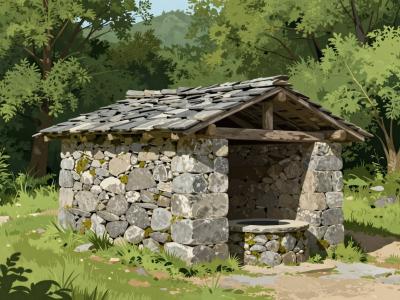
Bagn (village)
Stone village in Val Bavona, Swiss Alps
Cultural Experiences · History & Heritage
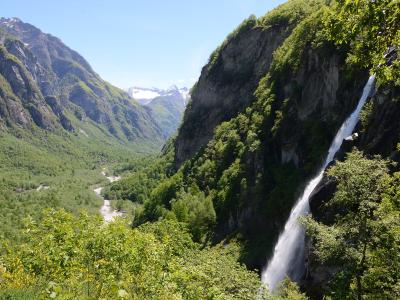
Foroglio Waterfall
110m waterfall in Val Bavona, Swiss Alps
Natural Wonders · Walking Trails
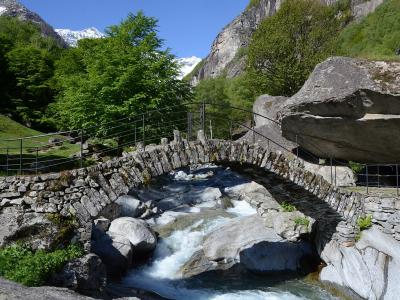
Puntid (Stone Bridge)
Historic stone bridge in Val Bavona
Free Activities & Adventure · History & Heritage
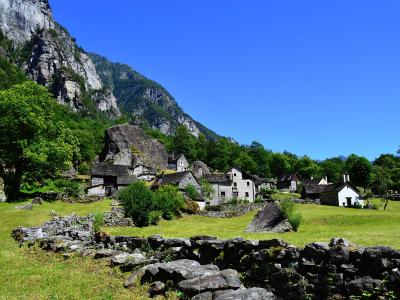
Sabbione (hobbiest Homes)
Granite houses built into rocks in Val Bavona
Historic Towns · Mountains
Questions people ask
Quick Facts
Best Time to Visit
Visit from May to September when trails are clear, waterfalls flow strongly, and temperatures are mild and sunny.