- Where
- Val Bavona, Ticino
- Directions
- Directions
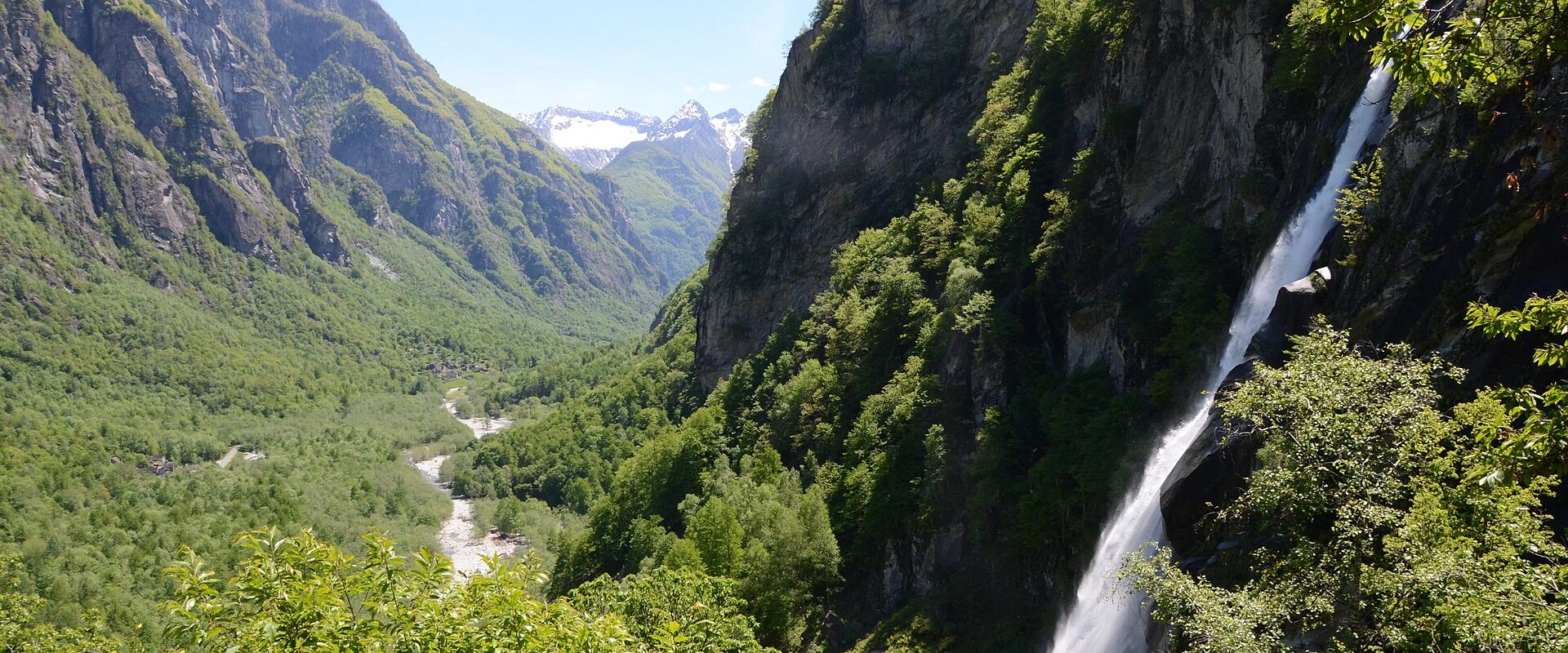
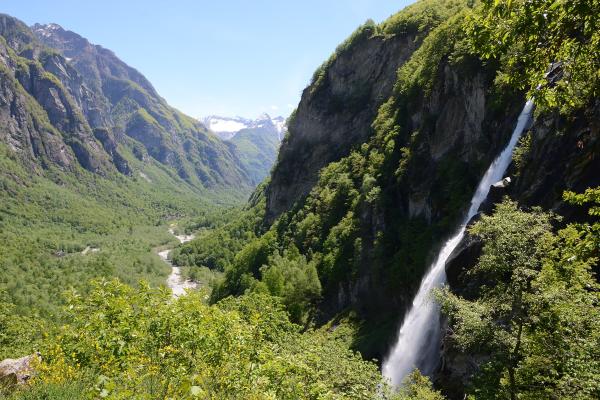
Foroglio is a hamlet in the Val Bavona, a deep valley in the Valle Maggia in the north of Ticino, and it is known throughout Switzerland for the waterfall that plunges beside it. The water falls about 110 metres in a single leap over a cliff of granite, and it is among the highest waterfalls in the canton. It is fed by a stream draining the high slopes above, so its volume changes a great deal with the season: it is at its most impressive in late spring when snow melts, and after heavy rain, when the fall is wide and powerful, and in dry spells in late summer it can shrink to a thin ribbon. The sight of the white water against the dark rock, with the stone roofs of the hamlet in the foreground, is one of the images most associated with the valley.
The best view of the waterfall is from the village itself, where the cliff and the fall rise right above the houses, and from a short path that leads to the base, where the spray falls in a cool mist. The path is easy and short, though some stretches are steep or slippery near the water. A longer walk can be made along the valley, passing through other hamlets and across the river on stone bridges. In autumn, the chestnut and beech trees on the slopes turn red and gold, and many visitors time their trip for this season, when the combination of foliage, stone and water is at its most photogenic.
Foroglio is a place of interest in its own right. The hamlet is built entirely of local granite, with houses, barns and chapels that have stone slab roofs, and walls of dry stone with narrow lanes between them. It is one of several settlements in the Val Bavona that were occupied seasonally by farming families who lived in the valley in the warmer months and moved down in winter, when the valley was cut off by snow and the sun did not reach the valley floor. A small museum of the valley's life and culture in one of the stone houses explains how people lived and farmed in this harsh landscape, and one of the buildings is a simple restaurant serving local food, such as polenta, cured meats, cheeses and wine, often in a garden beside the stream.
The valley itself is protected as a landscape of national importance, and it has been described as one of the finest examples of how people have adapted to difficult mountain terrain. Its terraces, paths, bridges, shelters under boulders, called splüi, and chapels are all part of the heritage. The road into the valley is narrow, and in some seasons traffic is limited, so check conditions before you drive. A postal bus runs from Bignasco in season.
The waterfall suits all visitors, including families and photographers, and the walk to the base is short. Allow one to two hours for the village, the waterfall and a meal. Wear shoes with good grip, bring a light waterproof for the spray, and be careful on wet rocks. Spring and autumn are the most attractive seasons, and weekdays are quieter than weekends.
Categories
More photos coming soon
Nearby Attractions
Other places to visit in Val Bavona
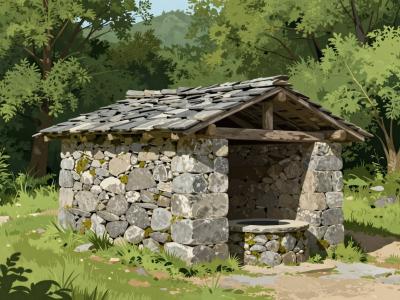
Bagn (village)
Stone village in Val Bavona, Swiss Alps
Cultural Experiences · History & Heritage
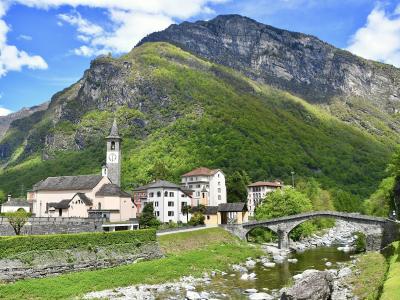
Bignasco (village)
Village in the Swiss Alps
Historic Towns · Mountains
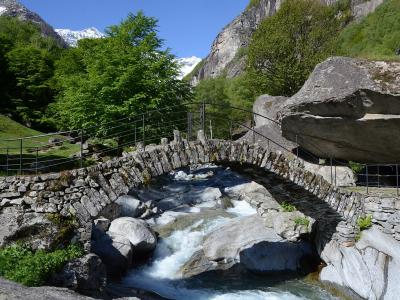
Puntid (Stone Bridge)
Historic stone bridge in Val Bavona
Free Activities & Adventure · History & Heritage
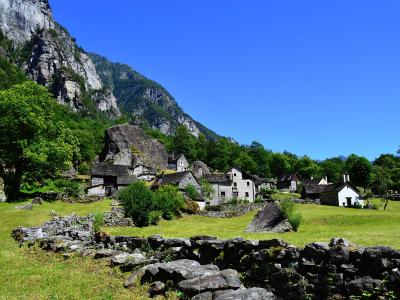
Sabbione (hobbiest Homes)
Granite houses built into rocks in Val Bavona
Historic Towns · Mountains
Questions people ask
Quick Facts
Best Time to Visit
Visit from May to September when trails are clear, waterfalls flow strongly, and temperatures are mild and sunny.