







- Where
- Val Bavona, Ticino
- Directions
- Directions
Bagn is one of the small settlements of the Val Bavona, the long side valley of the Valle Maggia in the north of Ticino, and like its neighbours it shows how a community can build a life in a landscape that offers little room. The valley is a steep-sided trough, hemmed in by granite walls that rise more than a thousand metres on both sides, with a narrow floor of boulders, a clear river and patches of meadow. The sun reaches the floor only briefly in winter, avalanches and rockfalls are a constant threat, and for centuries the valley could be used only seasonally. Families moved up from the lower valley in spring, lived and worked in a succession of hamlets, cut hay and tended animals, and came down again as the cold set in. Each hamlet, Bagn among them, is a cluster of stone buildings, chapels and terraces that served as one stage of this annual migration.
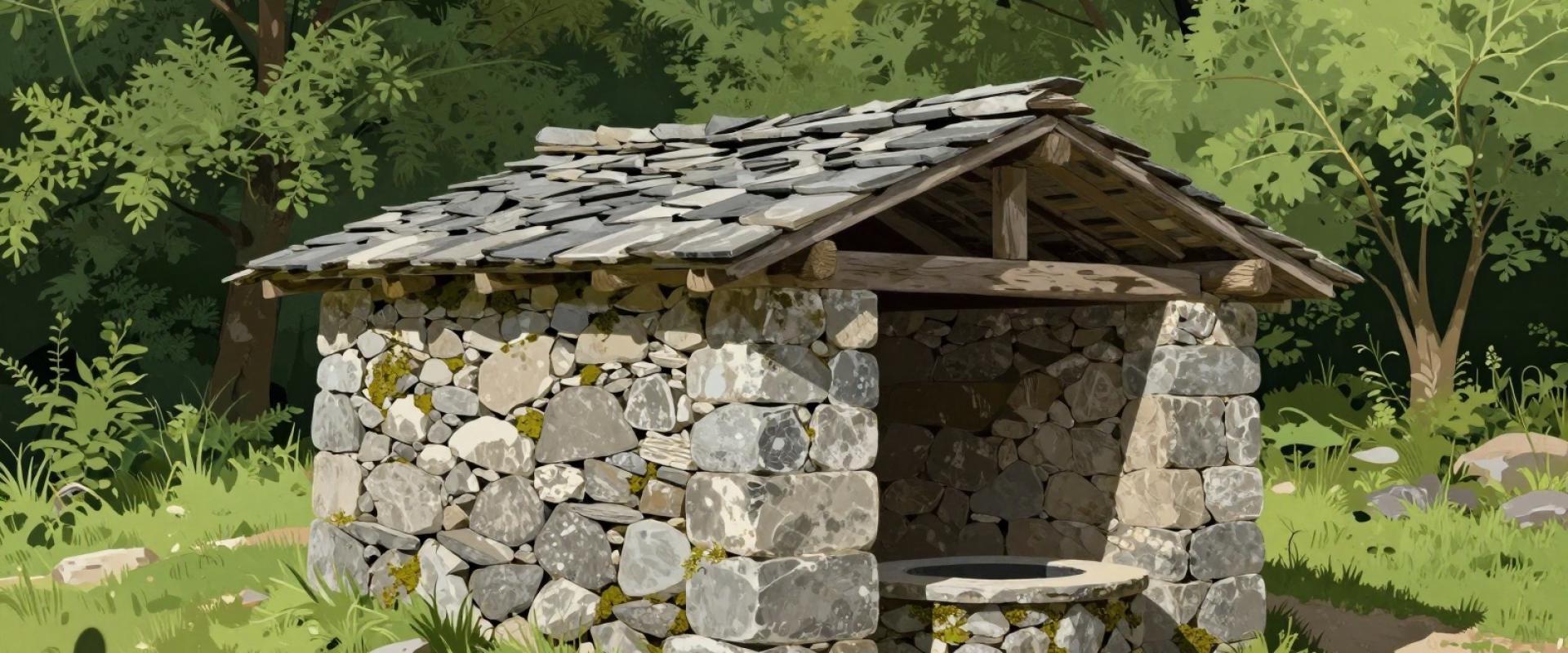
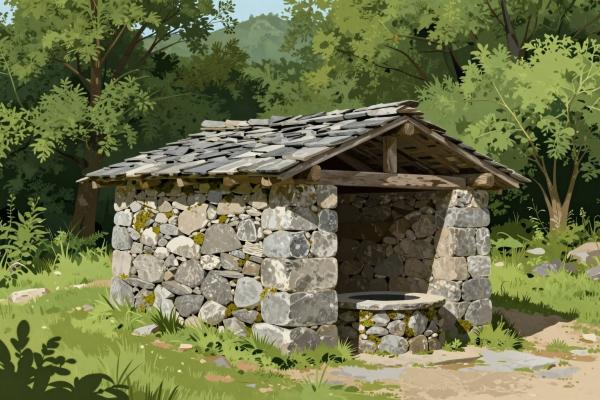
The architecture is a direct response to the terrain. Everything is built of the local granite, the only material at hand, laid in dry-stone walls without mortar, with chimneys, lintels and steps cut from the same stone. Roofs are covered with slabs of granite, called piode, which are thick and heavy and require strong timber frames beneath them, and the whole hamlet has a grey, silvery tone that blends with the rocks around. Doors are low, windows small, and the houses are often terraced into the slope, with a barn or stable on the lower level and living quarters above. Many buildings use huge fallen boulders as part of their structure, a technique typical of the valley. Narrow paths paved with stone link the houses, and small fields enclosed by drystone walls lie between them, where rye, potatoes and hay were grown.
What visitors see today is a landscape that has been consciously preserved. The Val Bavona is protected as a landscape of national importance, and a local foundation works to maintain the buildings and terraces, supporting owners with advice and funding, so that restoration respects traditional methods. A number of houses are used as holiday homes, others remain in agricultural use in summer, and chapels are maintained by the communities. In the valley, a few small restaurants and grottos serve local food in the summer season, and a museum explains the history of the valley and its people.
To visit Bagn, you drive or take the postal bus up the single road from Bignasco, which follows the river and winds past the hamlets, with stops at several of them. The road is narrow, with passing places, and it can be busy in the high season, so a bus is easier. Walking is a pleasant alternative, since paths run along the river and between the hamlets, and a day can be spent moving from one to another. The hamlets are quiet, and the sound of the river is constant. Respect for the residents is important: many buildings are private, so do not enter without permission, and stay on paths to protect the terraces.
The village suits walkers, photographers and anyone interested in vernacular architecture and mountain culture. Allow an hour for the hamlet and a half day for the valley, and bring sturdy shoes, water and a light jacket. Check bus timetables and the opening season of the grottos before you go.
More photos coming soon
Nearby Attractions
Other places to visit in Val Bavona
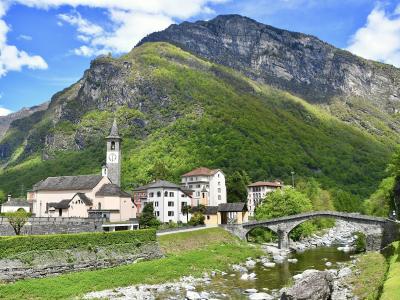
Bignasco (village)
Village in the Swiss Alps
Historic Towns · Mountains
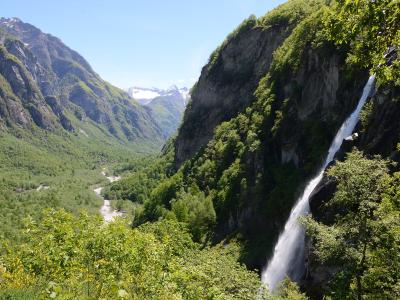
Foroglio Waterfall
110m waterfall in Val Bavona, Swiss Alps
Natural Wonders · Walking Trails
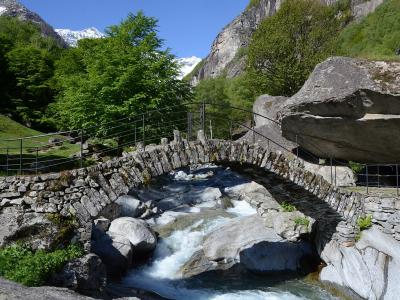
Puntid (Stone Bridge)
Historic stone bridge in Val Bavona
Free Activities & Adventure · History & Heritage
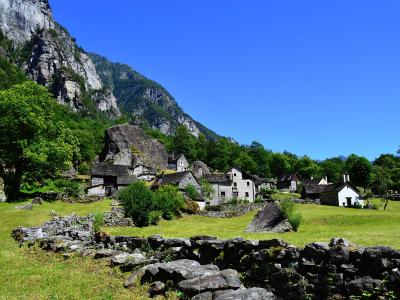
Sabbione (hobbiest Homes)
Granite houses built into rocks in Val Bavona
Historic Towns · Mountains
Questions people ask
Quick Facts
Best Time to Visit
Visit from May to September when trails are clear, waterfalls flow strongly, and temperatures are mild and sunny.