


- Where
- Val Bavona, Ticino
- Directions
- Directions
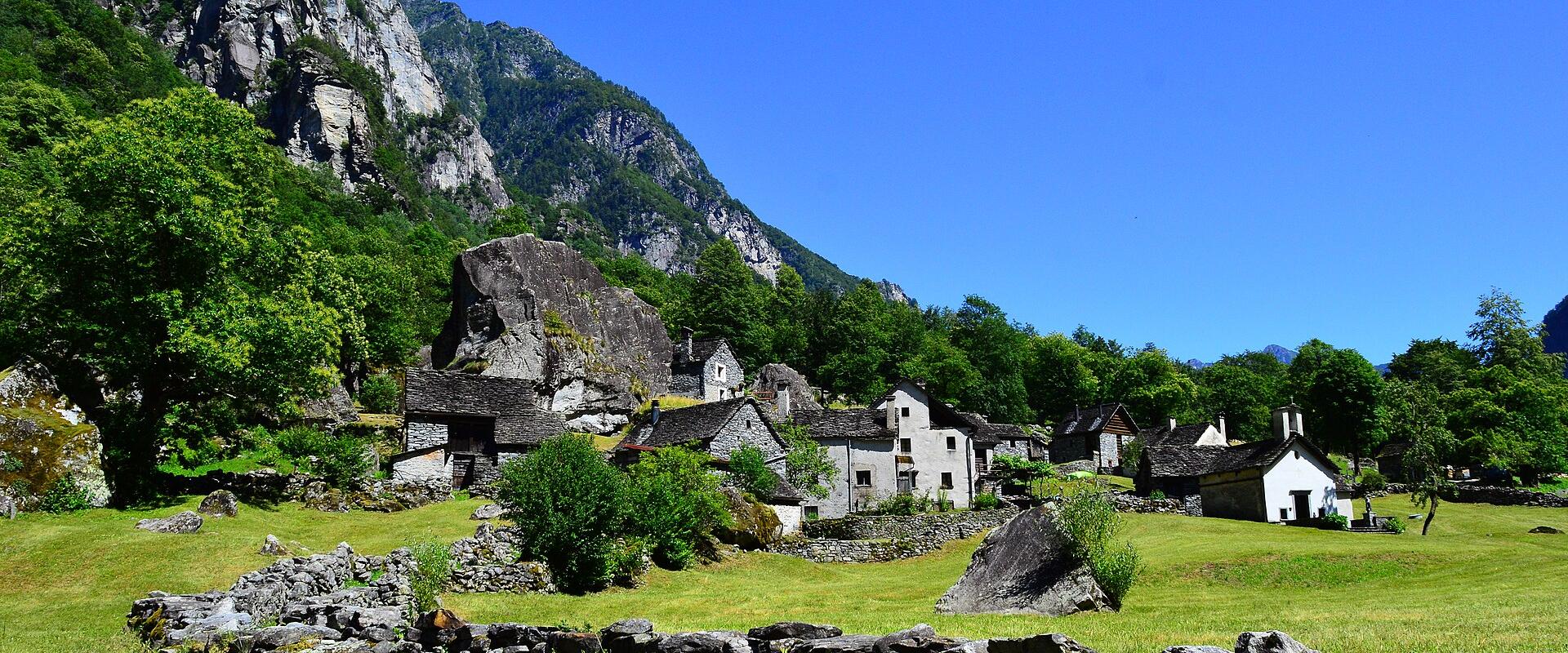
Sabbione is a hamlet near the head of the Val Bavona, in the north of Ticino, and it is among the most striking examples of how people built homes in a landscape dominated by rock. The Val Bavona is a deep, narrow valley with steep granite walls that shut out the sun in winter and that regularly shed enormous boulders, some of them the size of houses, onto the valley floor. The people of the valley, who lived there only seasonally, adapted by using these boulders as part of their buildings. Instead of clearing the stones, they built against and under them, so that a huge block of granite forms a roof, a wall or a floor, with a masonry front closing the open side. These sheltered spaces, known locally as splüi, served as dwellings, stables and storerooms.
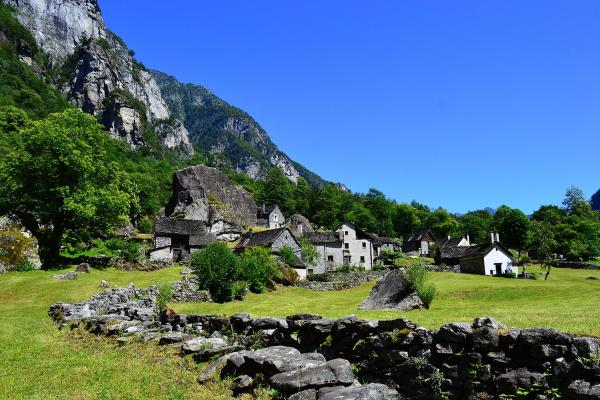
At Sabbione, these rock-integrated houses are visible all around. Walking through the hamlet, you pass cottages whose upper parts disappear into overhanging rock and doors set into stone walls that are partly natural and partly built. Other buildings are constructed entirely of granite blocks, laid without mortar, with roofs made of thick slabs of local stone, called piode, which are heavy and durable and give the hamlet its grey and silver tone. A few roofs are covered with turf. The narrow lanes between the houses are paved with stone, and small stairways lead from level to level. The result is a settlement that looks as though it grew out of the ground, and it is easy to see why visitors have compared it to a place from a fantasy tale, with its cave-like dwellings and doors that appear to open into the mountain.
The way of life that produced this landscape has largely disappeared. For centuries, families moved up the valley with their animals in spring and summer, staying in a series of hamlets at different heights, and went down to the lower valley or to other regions for the winter. Sabbione, as one of the higher hamlets, was occupied for a relatively short season, and people harvested hay and chestnuts, made cheese and tended small plots of rye and potatoes, using terraces built with immense effort. Today a few houses are still used by descendants, and others have been restored as holiday homes, while an oratory, a small chapel, stands in the middle of the settlement and reflects the religious life of the community.
The valley is protected as a landscape of national importance, and the preservation of its buildings and terraces is supported by a foundation that works to maintain the traditional character. Visitors should respect private property and avoid entering buildings, and they should stay on paths. The hamlet is reached on foot along the road and paths from Bignasco and the intermediate hamlets, or by the postal bus in season, and the walk takes you past the Foroglio waterfall and other settlements. Cars can drive along the valley road, but parking is limited.
Sabbione suits walkers, photographers and people interested in vernacular architecture and mountain life. Allow one to two hours for the hamlet and a half or full day for the valley. Wear sturdy shoes, bring water, and check bus timetables and seasonal opening of the grottos before you go.
Categories
More photos coming soon
Nearby Attractions
Other places to visit in Val Bavona
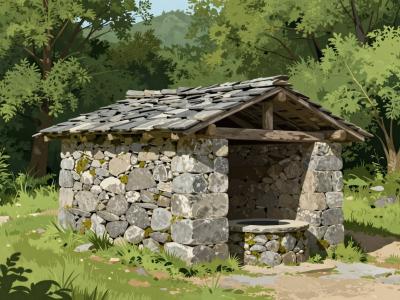
Bagn (village)
Stone village in Val Bavona, Swiss Alps
Cultural Experiences · History & Heritage
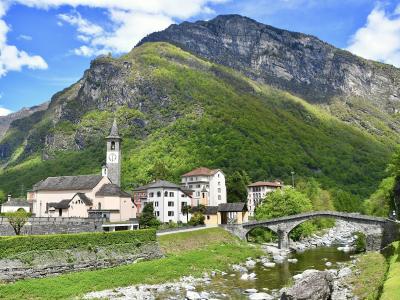
Bignasco (village)
Village in the Swiss Alps
Historic Towns · Mountains
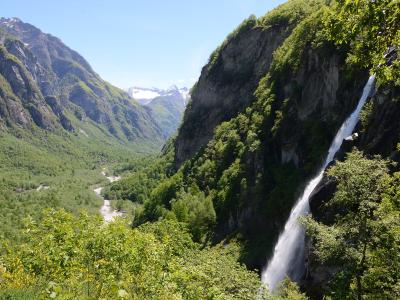
Foroglio Waterfall
110m waterfall in Val Bavona, Swiss Alps
Natural Wonders · Walking Trails
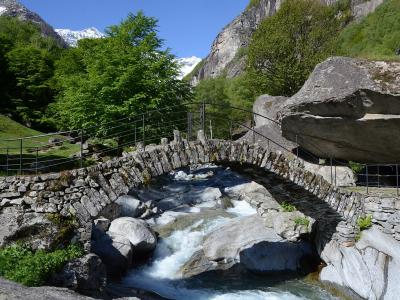
Puntid (Stone Bridge)
Historic stone bridge in Val Bavona
Free Activities & Adventure · History & Heritage
Questions people ask
Quick Facts
Best Time to Visit
Visit from May to September when trails are clear, waterfalls flow strongly, and temperatures are mild and sunny.