







- Admission
- Free
- Hours
- Open access 24/7; no specific opening hours or admission fees apply as it is a public vill...
- Where
- Val Bavona, Ticino
- Directions
- Directions
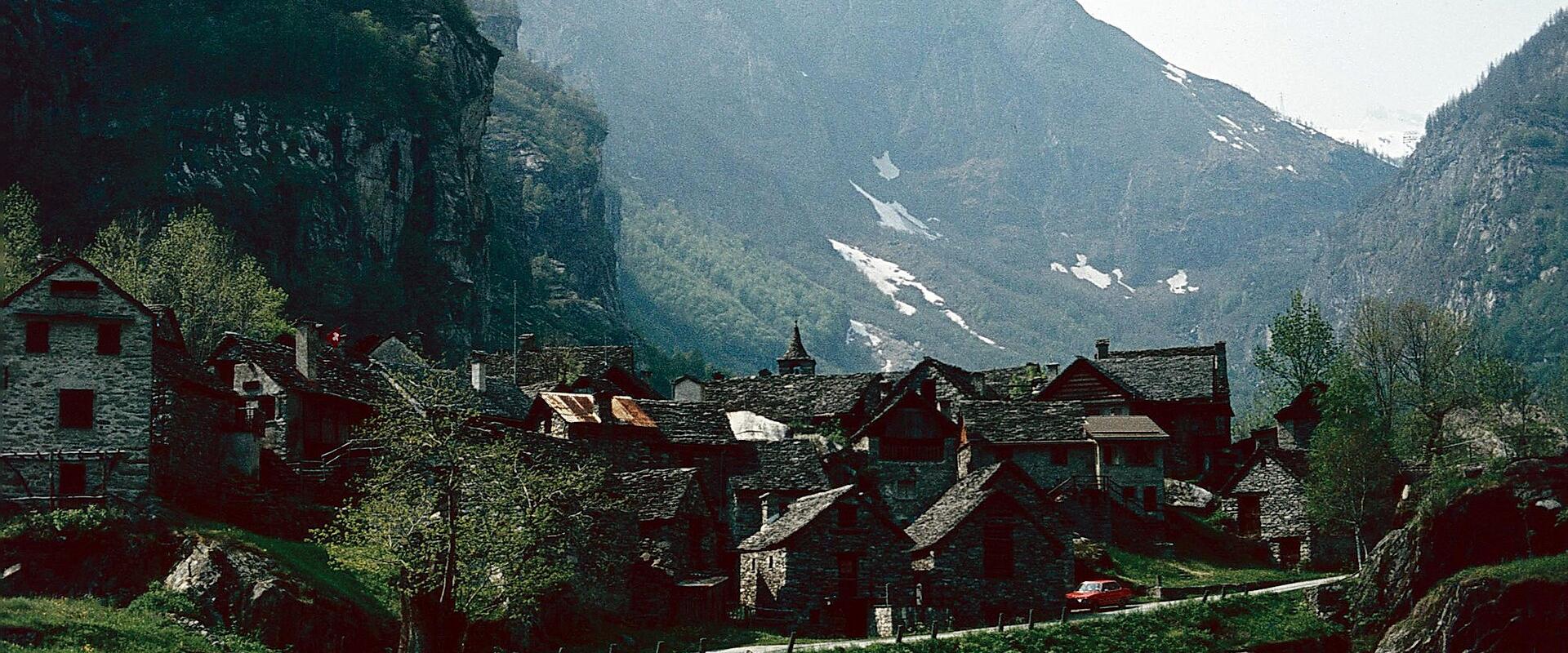
Sonlerto is a hamlet in the Val Bavona, in the north of Ticino, on a terrace at about 800 metres above sea level, and it is known for a small stone building that expresses the whole logic of life in this valley: the granary. In the local dialect it is called a torba, a free-standing storehouse of granite, raised or isolated so that mice and damp cannot reach the stores inside. In a landscape where winters are long and the valley could be cut off, a family's survival depended on grain, cheese, dried meat and other stores that had to be kept dry and safe, and the granary was one of the most important buildings on a farm. The one at Sonlerto is among the best-known in the valley and is dated to the sixteenth century.
Granaries of this type are built with the same care as houses. Walls are made of dressed granite blocks, laid carefully in courses, and the roof is covered with heavy slabs of the same stone, which require a strong timber frame, and the door is low, narrow and often thick, with a wooden bolt. Some of these buildings stand on stone pillars topped with flat slabs that overhang, which mice cannot climb, a design that exists across the Alps. Looking inside, if the building is open, you see a single room with wooden shelves, chests and beams. Many granaries also served as a place to keep valuables and documents.
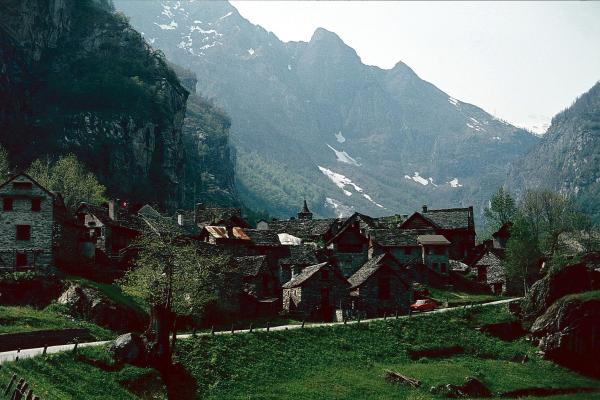
The hamlet around the granary is built in the same way, with small stone houses and barns grouped on a terrace, narrow paths between them, and a few chapels or wayside shrines. The Val Bavona remained inaccessible by road until the twentieth century. People travelled on foot and on mule tracks, and the modern road that now runs up the valley was built relatively late, which helped preserve the older buildings and the pattern of life. For centuries, families moved up and down the valley with the seasons, staying in hamlets like Sonlerto in spring, summer and autumn, harvesting hay, tending animals and collecting chestnuts in the lower sections. In winter, the valley was largely deserted, because avalanches and rockfall made it dangerous and the sun rarely reached the floor.
Today, many of the buildings have been restored, some as holiday homes and others as part of the valley's heritage. A foundation supports owners in preserving the old methods and materials, and the whole valley is protected as a landscape of national importance. Visitors can explore Sonlerto on foot, and it is easy to combine with other hamlets and with the Foroglio waterfall, which is a short distance up the valley. A postal bus runs in the season, and there is limited parking by the road.
Treat the hamlet with respect. Many buildings are private, so do not enter or open doors, stay on paths and do not remove stones or objects. The hamlet is quiet, and noise carries between the rock walls. The place suits walkers, photographers and anyone interested in vernacular architecture. A visit takes about an hour, and it is best as part of a day in the valley. Bring water, sturdy shoes and a jacket.
Categories
More photos coming soon
Hours & Fees
- Open
- Open access 24/7; no specific opening hours or admission fees apply as it is a public village area.
- Admission
- Free
Hours and prices change, especially out of season. Check with the venue before you go.
Nearby Attractions
Other places to visit in Val Bavona
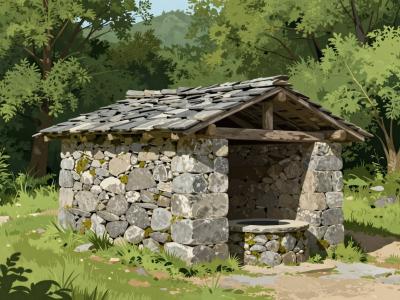
Bagn (village)
Stone village in Val Bavona, Swiss Alps
Cultural Experiences · History & Heritage
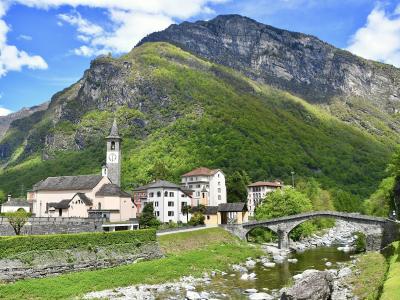
Bignasco (village)
Village in the Swiss Alps
Historic Towns · Mountains
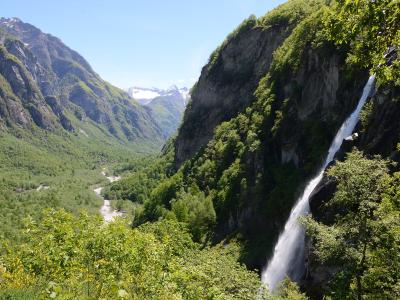
Foroglio Waterfall
110m waterfall in Val Bavona, Swiss Alps
Natural Wonders · Walking Trails
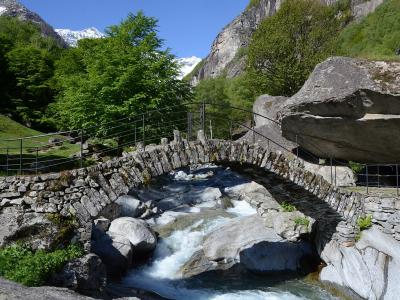
Puntid (Stone Bridge)
Historic stone bridge in Val Bavona
Free Activities & Adventure · History & Heritage
Questions people ask
Quick Facts
Best Time to Visit
Visit from May to September when trails are clear, waterfalls flow strongly, and temperatures are mild and sunny.