
Seelisberg
Historic lakeside village above Lake Lucerne with hiking and Swiss heritage
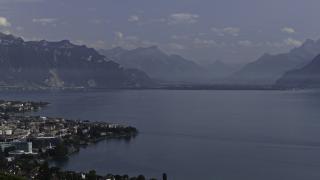
Seelisberg sits at about 800 meters on a sunny terrace above the Urnersee, the southern arm of Lake Lucerne, with the Uri mountains rising behind and the lake far below. The village is small, with a few hundred residents, and it is known less for sights in the centre than for its position, its views and the history that lies just downhill. Its roots go back to medieval times, but the name is most often linked to the Rütli Meadow, where, according to the founding legend, representatives of the original cantons swore the oath of the Swiss Confederation in 1291.
History and Heritage The Rütli Meadow, on the shore below the village, is treated as a symbol of Swiss unity and independence, and it can be reached on foot from Seelisberg or by boat. Traditional timber architecture and small chapels give the village its character. The Maria Sonnenberg Chapel, set on a hilltop, is a calm place to sit with sweeping views of lake and mountains. Nearby, the little Schlosschen Beroldingen has views over the water. The Swiss Path, the walking trail that traces the story of the Confederation around the lake, passes through the village, and Seelisberg’s role in national history is explained along it. In the 20th century the village also hosted the 1947 Seelisberg Conference, an international meeting of Christians and Jews that issued the Ten Points of Seelisberg, and it was the home of the Transcendental Meditation global headquarters between 1968 and 1992.
Main Attractions The Swiss Path, the Aussichtspunkt Marienhöhe and the Seelisbergsee (Seeli), a small mountain lake used for swimming in summer, are the main outdoor stops. The Aussichtspunkt Marienhöhe is a favourite for photography and picnics. The Treib-Seelisberg funicular links the lakeshore at Treib with the village and gives quick access from the boat landing, with panoramic views on the way up.
Activities Hiking is the chief activity, with trails suited to all ages and abilities, from short loops to day walks down to the Rütli and onward. Cycling, swimming, fishing and boating on Lake Lucerne are also popular, and in winter the village offers calm walks and quiet stays with snow-covered peaks behind. Local markets and traditional Swiss food add to the welcome. Many visitors walk down from the village to the Rütli through the forest, a path of roughly an hour that drops steeply toward the water, and return by boat and the funicular. The sunny, sheltered terrace made Seelisberg a health and holiday resort as early as the 19th century, and the grand hotel tradition survives in a quieter form.
Getting There Boats run to Treib from Lucerne and Brunnen, and the funicular climbs directly to the village. By car, mountain roads reach the centre, where parking is available. Regular buses link Seelisberg to nearby towns, which makes it a convenient base for central Switzerland.
Seasonal Advice June to September offers warm weather, open trails and good lake days. Spring and autumn are quieter, with mild temperatures and colour, and winter is calm, with options for snowshoeing and evenings in mountain inns. In every season, Seelisberg’s mix of history, nature and Swiss hospitality gives the visit a gentle pace. Visitors who arrive by boat and leave by funicular see the whole slope in a single outing, which makes a half day here easy to plan.
Best time to visit
June to September offers warm weather, open trails, and ideal conditions for hiking, lake activities, and exploring Seelisberg’s historic and natural attractions.
What to see in Seelisberg
Our picks first.
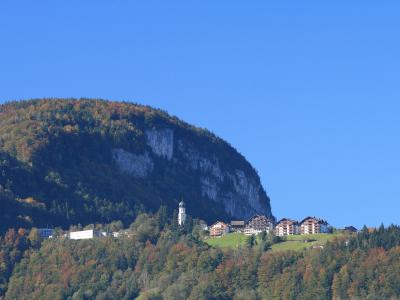
Historic Paths In Seelisberg
Historic paths above Switzerland's founding site
Historic Towns · Viewpoints
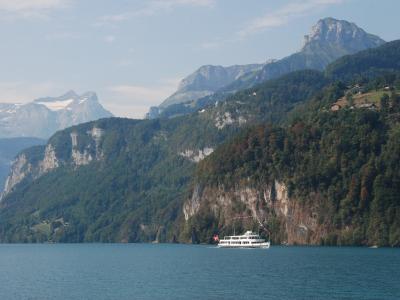
Rütli Meadow
Symbol of the Swiss Confederation
Cultural Experiences · History & Heritage
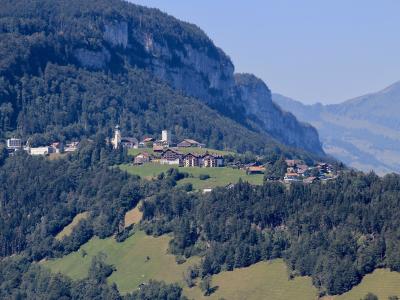
Seelisberg Conference Hall (1947 Site)
Site of the 1947 anti-Semitism conference
Cultural Experiences · History & Heritage
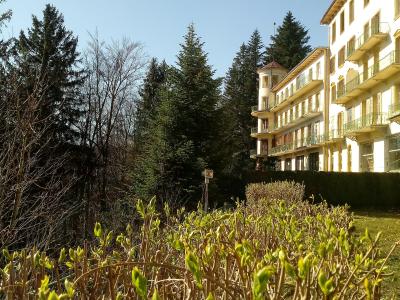
Transcendental Meditation Global Headquarters (1968-1992)
Former TM headquarters in Swiss Alps
Cultural Experiences · History & Heritage
Seelisberg by interest
The same sights, grouped by what you came for.
Did you know?
Checked facts about Seelisberg, each with its source.
-
History
1947 Anti-Semitism Conference
In 1947, the international 'Seelisberg Conference' was held in the village, bringing together 65 Christian and Jewish leaders to address anti-Semitism following the Holocaust.
Source: everything.explained.org
Planning a visit to Seelisberg
Itineraries that include Seelisberg
Good to know
- Currency
- CHF
- Language
- German, French, Italian and Romansh
Quick Facts
Book your stay
Questions people ask
More places in Central Switzerland
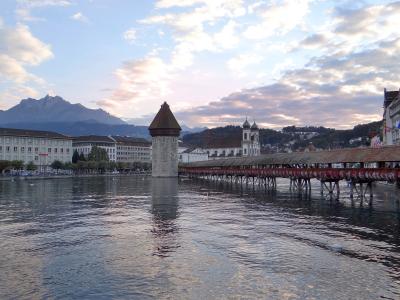
Central Switzerland
Lucerne
Medieval bridges, painted squares and lake-and-mountain excursions
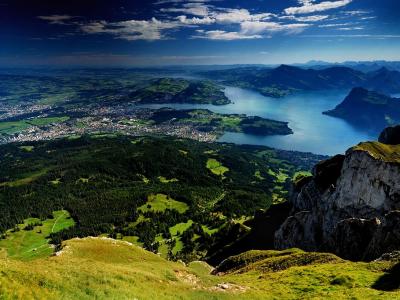
Central Switzerland
Lake Lucerne
Fjord-like lake with mountain views and historic towns
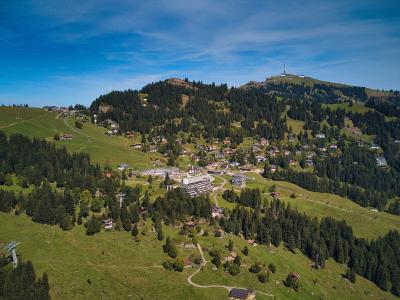
Central Switzerland
Rigi Kaltbad
Alpine spa village with panoramic trails and mountain views
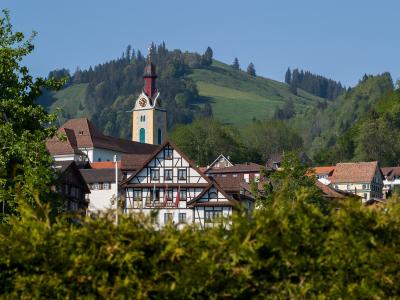
Central Switzerland
Sattel
Family mountain with revolving gondola, tobogganing, and trails