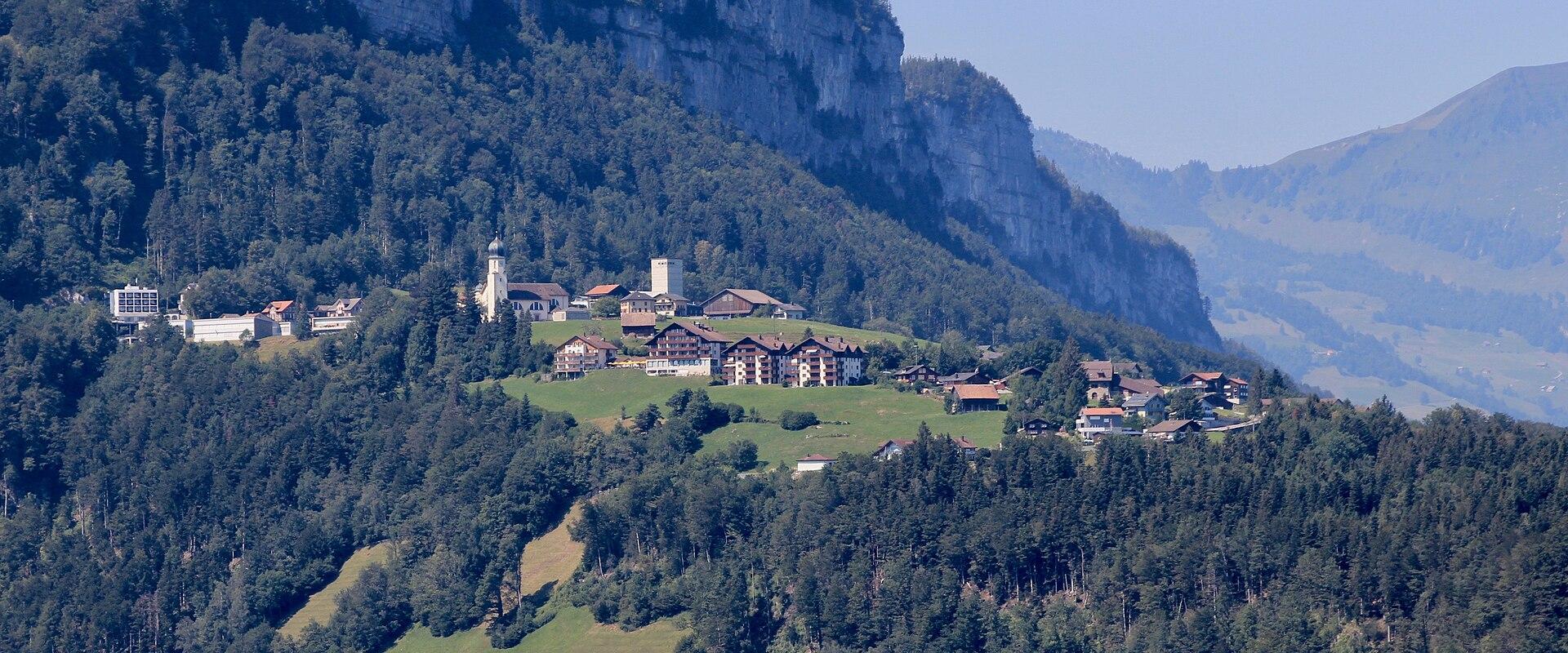
Seelisberg Conference Hall (1947 Site)
Site of the 1947 anti-Semitism conference
- Where
- Seelisberg, Central Switzerland
- Directions
- Directions
In the summer of 1947, two years after the end of the Second World War, a group of Christian and Jewish leaders gathered in Seelisberg, a village high above Lake Lucerne in the canton of Uri, to discuss a question that had been made urgent by the catastrophe of the Holocaust: how to combat antisemitism and how Christian teaching and practice might have contributed to it. The meeting, officially an emergency conference, brought together participants from many countries, representing different Christian churches and Jewish communities, and it was one of the first serious attempts after the war to address the issue in a joint and open way. Among those who took part was the French Jewish historian Jules Isaac, whose research into the roots of antisemitism in Christian teaching had a strong influence on the conference.
The principal result of the meeting was a document known as the Ten Points of Seelisberg, a set of recommendations addressed to the Christian churches. It called on them to avoid presenting the Bible and the story of Jesus in ways that encouraged hatred of Jews, to recognise the Jewish origins of Christianity, and to teach accurately and respectfully about Judaism. The points were simple, direct and practical, and they were intended for preachers, teachers and church leaders. The document had a long afterlife. It is regarded as a foundation of the movement for dialogue between Christians and Jews, and it paved the way for later developments, among them the Catholic Church's declaration on non-Christian religions in the 1960s, known by its Latin name, Nostra Aetate. Organisations devoted to Christian-Jewish cooperation, in many countries, trace their origins in part to the Seelisberg meeting.
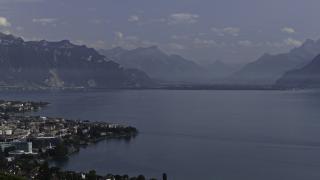
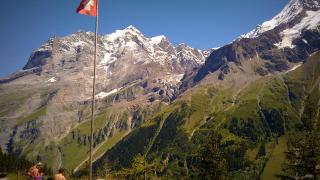
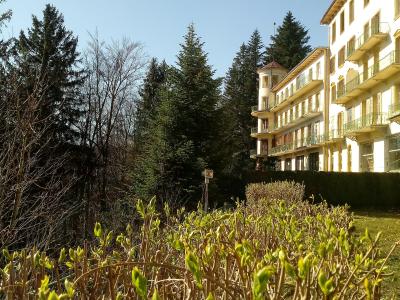
The village itself offers no grand monument to the conference, and the building that hosted it is not set up as a museum. The site of the meeting is not a conventional attraction, with no ticket office or regular guided tours, so a visit is more a matter of knowing the story and seeing the place where it happened. Seelisberg is a quiet, green village with meadows, forests and a small nature pond, perched at about 800 metres above Lake Lucerne, and reached by a funicular from Treib or by road. In that setting the contrast between the calm of the landscape and the weight of the history gives the visit its character. Information about the conference is available from local tourist information and from organisations that work on interfaith dialogue, and a commemorative plaque or panel in the village may note the event.
The village has other interests. The Rütli meadow, the legendary birthplace of the Confederation, lies below it, and the Swiss Path runs along the lake. Walking in the area allows time to reflect on the history of a country that sees itself as a refuge and a place of dialogue, as well as its record.
The site suits visitors interested in religious history, interfaith relations and twentieth-century history. A short stop is enough, perhaps thirty minutes, combined with a walk. Be respectful of the residents and of the seriousness of the subject. Check the funicular timetable before you travel.
Categories
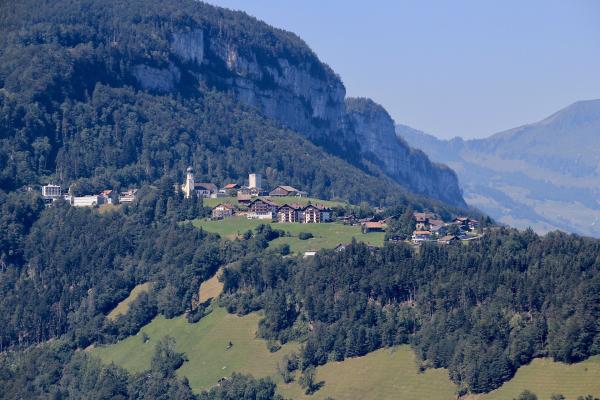
More photos coming soon
Nearby Attractions
Other places to visit in Seelisberg
Historic Paths In Seelisberg
Historic paths above Switzerland's founding site
Historic Towns · Viewpoints
Rütli Meadow
Symbol of the Swiss Confederation
Cultural Experiences · History & Heritage
Transcendental Meditation Global Headquarters (1968-1992)
Former TM headquarters in Swiss Alps
Cultural Experiences · History & Heritage
Questions people ask
Quick Facts
Best Time to Visit
June to September offers warm weather, open trails, and ideal conditions for hiking, lake activities, and exploring Seelisberg’s historic and natural attractions.