- Where
- Seelisberg, Central Switzerland
- Directions
- Directions
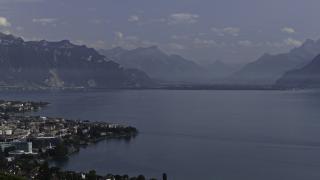
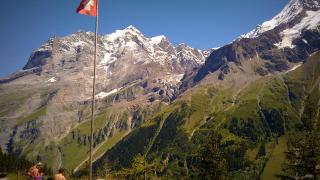
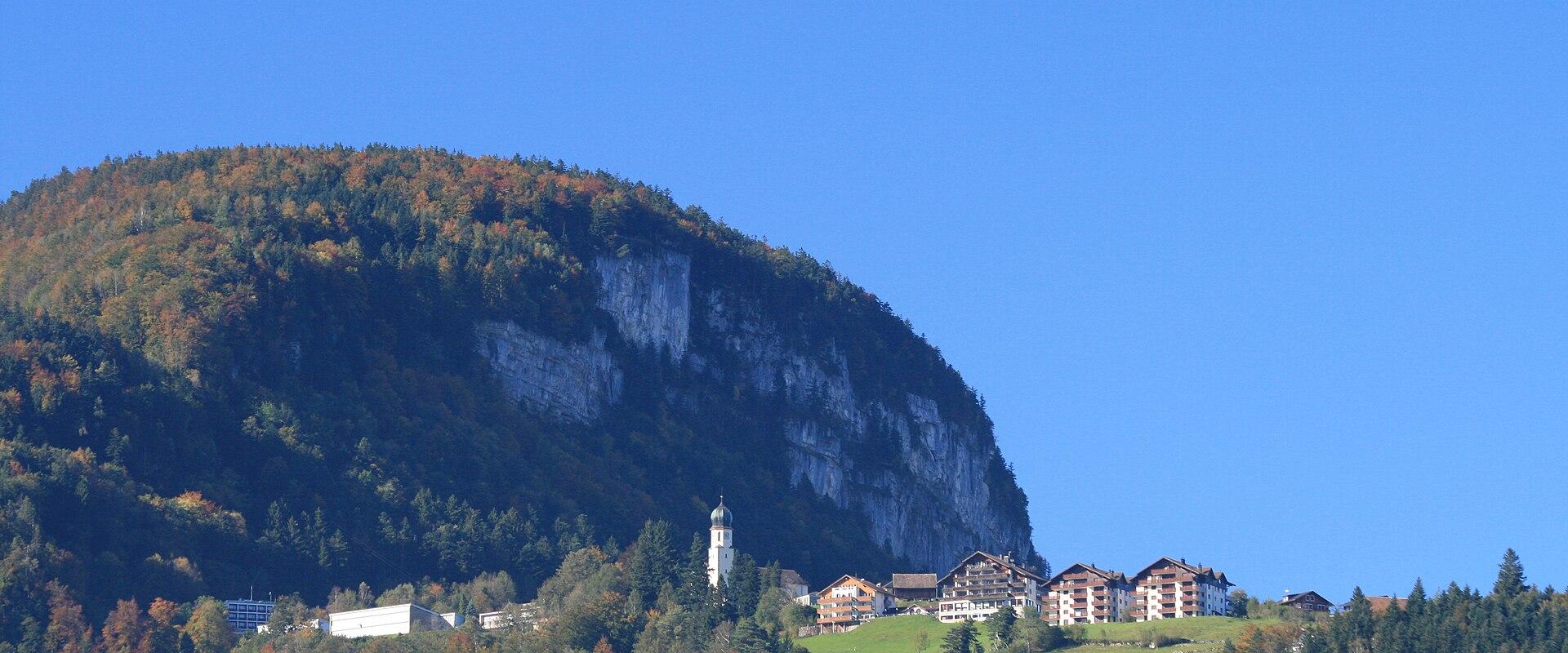
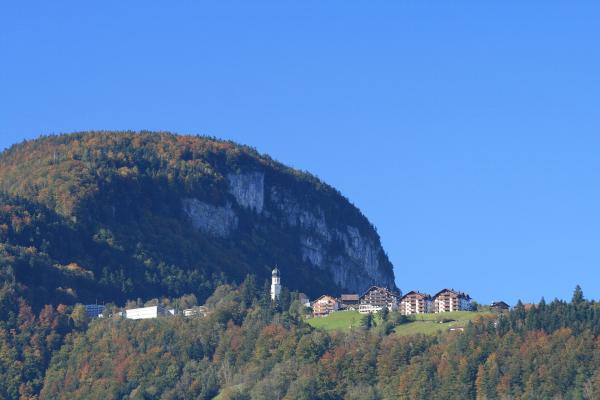
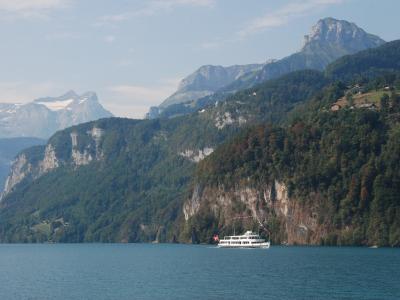
Seelisberg is a village on a sunny terrace high above the western arm of Lake Lucerne, known as Lake Uri, in the canton of Uri, at about 800 metres. The village is reached by a funicular from the lake shore at Treib and by a winding road, and its position gives it wide views over the lake to the peaks of the Urner Alps, with the Urirotstock and the Bristen rising on the other side. The terrace is quiet, with meadows, woods and a small nature pond, the Naturseeli, and it is a place where the history of Switzerland feels close. Below it, on the lake shore, lies the Rütli meadow, the legendary site of the oath of the founders of the Confederation, and a network of footpaths links the village with the meadow and with the lakeside villages, making Seelisberg a good base for walkers.
The best-known route is the Swiss Path, the Weg der Schweiz, a walking trail that runs for about thirty-five kilometres around Lake Uri, from the Rütli to Brunnen, which was created in 1991 to mark the seven hundredth anniversary of the Confederation. Each canton has a section whose length is proportionate to the number of its inhabitants, with the stretches arranged in the order in which the cantons joined the Confederation, so that walking the path is a way of moving through the history of the country. Information boards and artworks mark the sections, and the route follows the lake shore through woods and meadows, with views of the water and the mountains all the way. The path can be walked in sections and is easy to combine with boat trips on the lake, since it passes landing stages. The Seelisberg end is a short walk from the village.
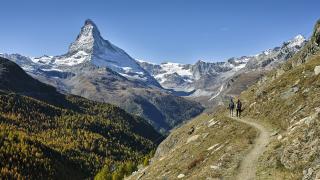
A path also leads from the village down to the Rütli meadow, descending through forest by a stair and a track, a walk of about three-quarters of an hour, and the climb back up takes longer. Many visitors take the boat from the meadow after visiting. Other paths lead through the woods to viewpoints, past chapels and farms, and along the hillside toward the pass and the neighbouring villages. The quiet of the area, with few cars and a good deal of birdsong, makes for relaxed walking, and in autumn the colours of the beech woods are fine. Wildflowers are abundant on the meadows in spring and early summer.
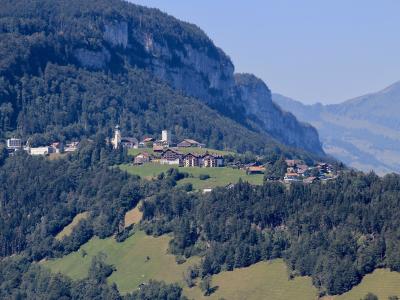
The village has a modern history that is bound up with international gatherings. In 1947 a conference on antisemitism, attended by Christian and Jewish leaders, was held here, and later the village became a base of a meditation movement, which established a centre in the late 1960s. Both are covered in separate entries. The village offers hotels, guesthouses and restaurants, as well as a small chapel and the nature pond.
Paths are open all year, though snow can make parts impassable in winter, and in that season there are prepared winter walking trails. Wear sturdy shoes, bring water and check the funicular timetable. The paths suit walkers, families and anyone interested in the history of Switzerland. Allow two to four hours for a walk to the Rütli and back or a section of the Swiss Path.
Categories
More photos coming soon
Nearby Attractions
Other places to visit in Seelisberg
Rütli Meadow
Symbol of the Swiss Confederation
Cultural Experiences · History & Heritage
Seelisberg Conference Hall (1947 Site)
Site of the 1947 anti-Semitism conference
Cultural Experiences · History & Heritage
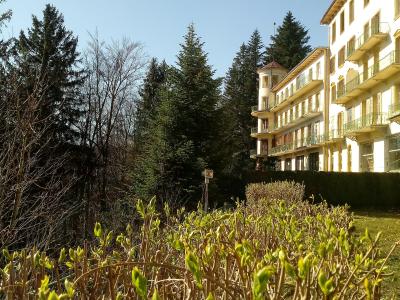
Transcendental Meditation Global Headquarters (1968-1992)
Former TM headquarters in Swiss Alps
Cultural Experiences · History & Heritage
Questions people ask
Quick Facts
Best Time to Visit
June to September offers warm weather, open trails, and ideal conditions for hiking, lake activities, and exploring Seelisberg’s historic and natural attractions.