







- Where
- Seelisberg, Central Switzerland
- Directions
- Directions
The Rütli is a small meadow on a terrace above the western shore of Lake Uri, the southern arm of Lake Lucerne, in the canton of Uri, and it is a place of national memory. According to the legend, in the early days of the Swiss Confederation, representatives of the three forest valleys, Uri, Schwyz and Unterwalden, met at night on this meadow and swore an oath to stand together against oppression. The tale was written down in the fifteenth and sixteenth centuries, in chronicles that place the oath in the year 1307, and it was later linked to the Federal Charter of 1291, the oldest surviving alliance document, which does not mention the Rütli. Historians therefore regard the oath as a legend, not a recorded event, but its role in national identity is firm: the Rütli stands for the founding of the Confederation, for freedom and for solidarity.
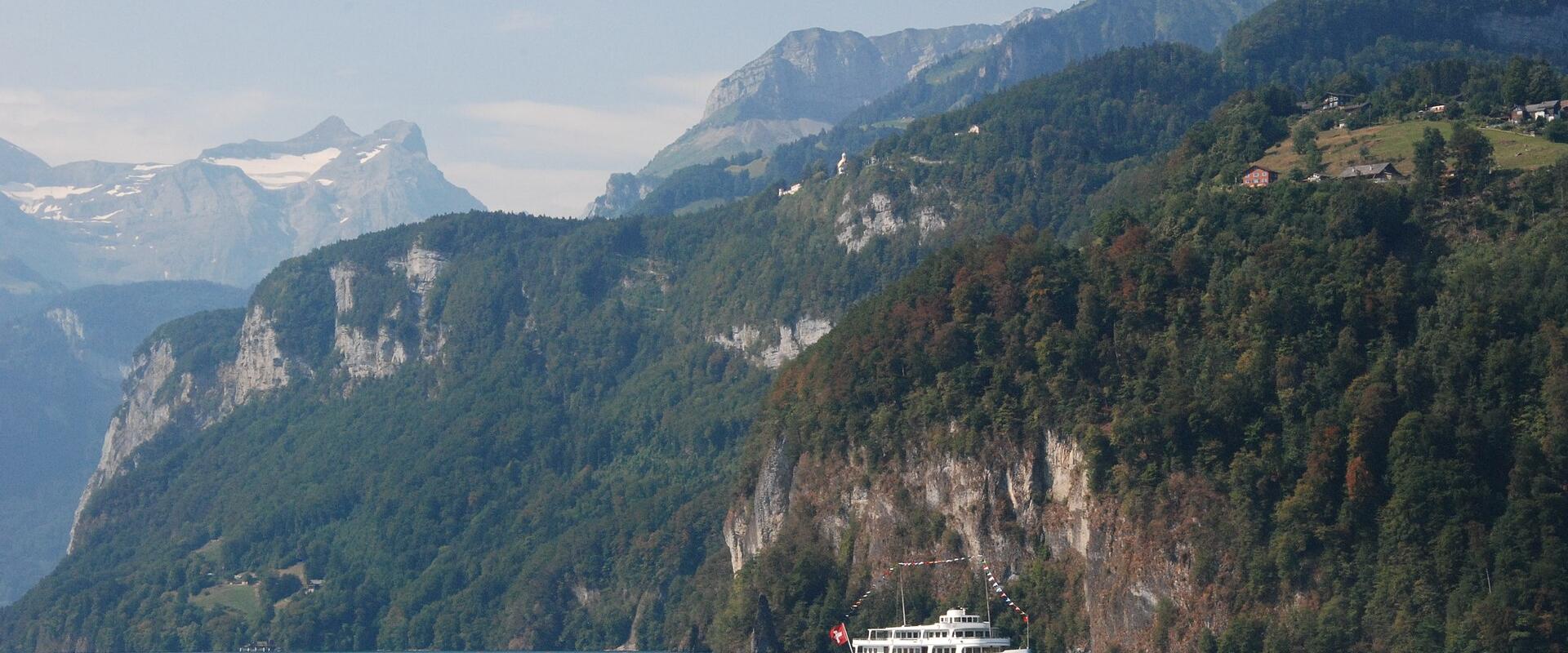
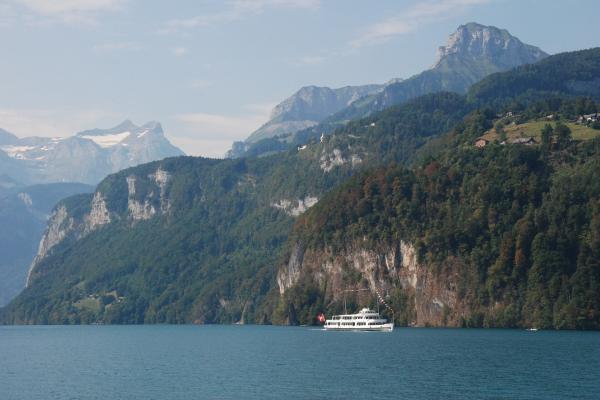
The meadow itself is simple, a grassy slope with trees, a small building, a flagpole and a few stones, set in a landscape of steep wooded hills and the deep blue water of the lake. There is no spectacular architecture; the power of the place comes from its associations and its quiet setting. It is reached by a boat that runs from Brunnen and other lakeside towns, or on foot along a path from the village of Seelisberg, high on the hillside above, and the lack of a road adds to the feeling of a pilgrimage. The meadow has been owned since the nineteenth century by a public-benefit society, which bought it to prevent development and gave it to the nation, and it is still looked after on behalf of the Swiss people.
The Rütli has played a role at critical moments. In July 1940, with Switzerland surrounded by Axis forces after the fall of France, General Henri Guisan summoned the senior officers of the army to the meadow and gave an address in which he committed the country to defend itself, a gesture of resolve known as the Rütli Report. The memory of that event has made the meadow a symbol of resistance and of the spirit of national defence. Every year on 1 August, the Swiss national day, an official ceremony is held at the meadow, with speeches and music, and the event is accompanied by debates over who may attend and how, since the site has sometimes been a focus of political tension.
The experience of the visit is contemplative. Visitors walk across the meadow, read the information boards and look out across the water, and many sit on the grass and take in the view of the mountains and the boats on the lake. A small restaurant on the site serves refreshments in the season. The area is rich in walking routes, and Seelisberg is the starting point for the Swiss Path, a long trail around the lake that links the cantons and illustrates the history of the Confederation. The nearby Seelisberg village has a history of its own, including an international conference in 1947 and a later association with the Transcendental Meditation movement.
Access is free and open through the year, though boat schedules vary by season and weather, so check them before travelling. The site suits history readers, walkers and families. Allow two to three hours for the boat and visit, more if you walk. Dress for the weather, and respect the dignity of a place that many Swiss people regard as sacred.
More photos coming soon
Nearby Attractions
Other places to visit in Seelisberg
Historic Paths In Seelisberg
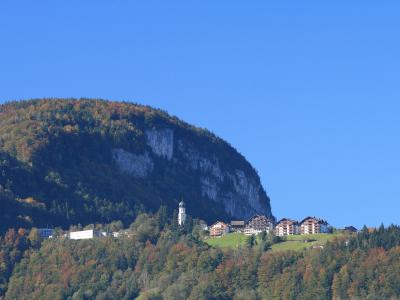
Historic paths above Switzerland's founding site
Historic Towns · Viewpoints
Seelisberg Conference Hall (1947 Site)
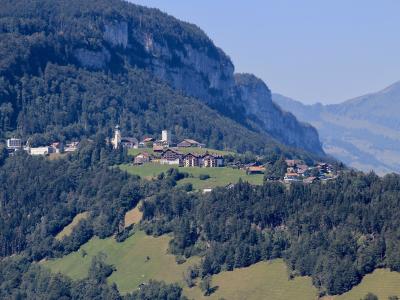
Site of the 1947 anti-Semitism conference
Cultural Experiences · History & Heritage
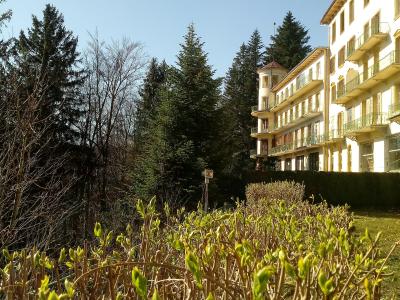
Transcendental Meditation Global Headquarters (1968-1992)
Former TM headquarters in Swiss Alps
Cultural Experiences · History & Heritage
Questions people ask
Quick Facts
Best Time to Visit
June to September offers warm weather, open trails, and ideal conditions for hiking, lake activities, and exploring Seelisberg’s historic and natural attractions.