








Murten lies between the Jura hills and the lake that bears its name, founded in the 12th century by the Dukes of Zähringen as a defended town on the road between Bern and Lausanne. It is mostly German-speaking, though French is audible everywhere, and the town sits at the crossroads of German- and French-speaking Switzerland, a position that gives its culture and cuisine a pleasant mixture. Its great moment came on 22 June 1476, when the Swiss Confederates won the Battle of Murten against Burgundian forces, one of the decisive episodes of the Burgundian Wars.
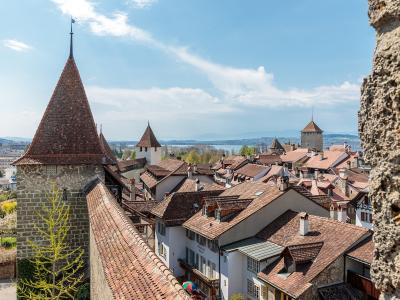
History and Heritage The old town is the best-preserved of its kind in the region, with arcaded houses, artisan shops and cafés on a single long main street. Its most distinctive feature is the complete circuit of ramparts, which date from the 13th century and allow visitors to walk along the top of the fortifications for views over the rooftops and the lake. The Berntor (Bern Gate), with its clock tower, serves as the main entrance, while Murten Castle and its tower give a glimpse of the Savoyard era. The Lindensaal terrace within the castle area is a quiet viewing spot. The Solennität, a children’s festival held each June, still recalls the battle, and an obelisk memorial at nearby Meyriez marks the field. Walking the ramparts in the evening, with swifts over the roofs and the lake turning copper, is one of the best things to do in town, and the towers along the wall give a sense of how a small defended town worked.
Main Attractions The lakeside promenade is busy in summer, with swimming, sailing, paddleboarding and boat cruises on Lake Murten. The Museum Murten and the Murten Museum of Art show local history, art and archaeology. The vineyards of the Vully region invite wine tasting and scenic walks, and the Roman amphitheatre at Avenches and the city of Fribourg are popular day trips. Below the town the Grosser Moos, a broad drained marsh, is known as the vegetable garden of the region.
Activities The Three Lakes Region is good for cycling, hiking and water sports, with signed trails connecting Murten to neighbouring lakes and villages. The mild climate encourages picnics and sunset watching. The Murten Light Festival in winter and the autumn wine harvest add to the calendar. Outdoor days begin at the lake, with a cycle route that circles Lake Murten in a loop through villages, reeds and farmland, and ferry connections that let walkers return by boat. The Vully hills across the water offer vineyard paths and small producers who welcome visitors, and the flat farmland of the Grosser Moos suits long, easy rides.
Getting There Murten has a station a short walk from the old town and lake, with trains from Bern, Fribourg and Lausanne. Regional roads connect by car, and parking is available near the centre. Boat cruises link Murten with Neuchâtel and other lakeside towns.
Seasonal Advice May to September is the best period, with mild weather and a warm lake. Summer brings festivals and busy terraces, spring and autumn bring quieter streets and clear colours, and winter has festive lights and cafés. In any month, Murten’s history, culture and lake scenery give a fine Swiss escape.
Best time to visit
May to September offers mild weather, lake activities, and lively festivals—ideal for exploring Murten’s old town, ramparts, and lakeside attractions.
What to see in Murten
Our picks first.
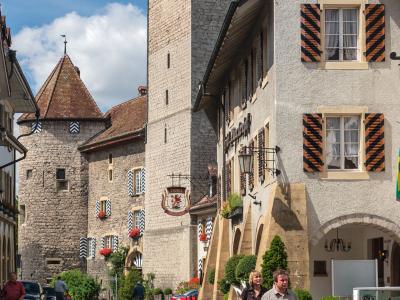
13th-century Castle
13th-century castle in Murten, Switzerland
Castles · Viewpoints
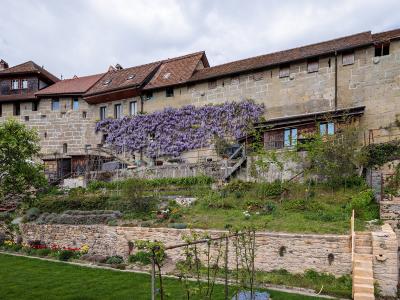
Fortified Walls (Murken)
Historic fortified walls in Murken, Switzerland
Fortresses · Historic Towns
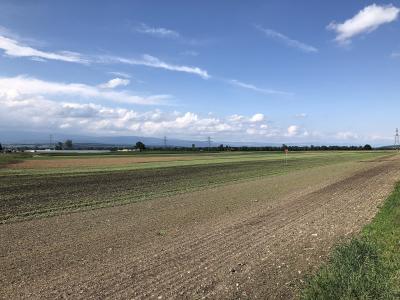
Grosser Moos
Switzerland's largest vegetable-growing area
Free Guided Tours · Walking Trails
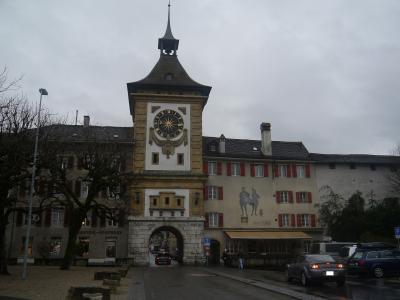
Historic Old Town (Murten)
Walled medieval town on Lake Murten
History & Heritage · Urban Exploration
Lake Murten (Lac De Morat)
Alpine lake in Swiss Fribourg, known for vineyards and hi...
Beaches · Historic Towns
Murten by interest
The same sights, grouped by what you came for.
Planning a visit to Murten
Itineraries that include Murten
Good to know
- Currency
- CHF
- Language
- German, French, Italian and Romansh
Quick Facts
Book your stay
Questions people ask
More places in Fribourg

Fribourg
Gruyères
Medieval hilltop town famed for cheese, castle, and art

Fribourg
Estavayer-le-Lac
Medieval lakeside town with beaches, castle, and water sports

Fribourg
Düdingen
Lakeside village with hermitage, gardens, and nature trails
Fribourg
Charmey
Alpine spa village with cheese dairies and mountain lakes