








Estavayer-le-Lac sits on the southern edge of Lake Neuchâtel, where the Broye plain meets the water, and its character is that of a small fortified port. The town grew in the Middle Ages as a trading place on the lake, and the old quarter still keeps the medieval street plan: narrow lanes, arcaded houses and fountains, all gathered inside a ring of walls and towers on a gentle rise above the shore.
History and Heritage The Château de Chenaux was built in the 13th century under the Savoyard rulers who held this part of the lakeshore, and its towers and ramparts still dominate the view from the water. The castle courtyards and walls can be visited, and from the upper levels you look over the lake and the countryside behind it. In the old town the Collegiate Church, market squares and fountains reflect the same period, and the museum known for its dressed frogs, a collection assembled in the 19th century, adds a quirky note to the usual museum round. Street art decorates facades in several lanes and is gathered into the self-guided ArtiChoke trail.
Main Attractions The lake itself is the main attraction. The Nouvelle Plage is a sandy public beach, unusual in Switzerland, with a restaurant, a campsite and rental points for boats and boards, and water that warms well by July. The marina and promenade are good for evening walks and for watching sailors come in, and the sunsets across the water are reliably fine. East of the town, the Grande Cariçaie nature reserve follows the shore for many kilometres, a mosaic of reedbeds and wet forest used by migrating and nesting birds. Further afield, the Clin d’Ailes Aviation Museum and the Karting Payerneland centre in nearby Payerne give families a rainier-day option. The Museum of Estavayer-le-Lac and its Frogs is a small museum in the old town, worth a quarter of an hour for the sheer oddity of it, and the town is one of few places in Switzerland’s lake country with a proper sandy shore. Families often split the day between the museum, the castle and the beach.
Activities Outdoor life here is mostly on or beside the water. Sailing, windsurfing, paddleboarding, fishing and swimming are all easy to arrange, with lessons for beginners, and beach volleyball courts fill up on summer weekends. Inland, cycling and walking routes cross vineyards, forests and farmland, and the lake path links Estavayer-le-Lac with neighbouring villages. Markets and music events celebrate local food and wine, guided walks explain the old town, and boat cruises run to other lakeside villages and reserves.
Getting There Estavayer-le-Lac has its own station with trains from Lausanne, Bern and Neuchâtel, and the walk from the platform to the old town and lake is short. Drivers arrive by the A1 motorway and the regional roads, and parking is available near the centre and the beach. Boat services on Lake Neuchâtel add a scenic connection to neighbouring towns.
Seasonal Advice May to September is the lake season, with warm water, open beaches and a full events calendar. Spring and autumn are milder and quieter, good for cycling and the reserve, and winter is a calm time of cafés and lights in the old town. In any season, Estavayer-le-Lac’s combination of history, water and Swiss hospitality gives a visit a pleasant rhythm.
Best time to visit
May to September offers warm weather, open beaches, and ideal conditions for swimming, sailing, and exploring Estavayer-le-Lac’s lakeside attractions.
What to see in Estavayer-le-Lac
Our picks first.
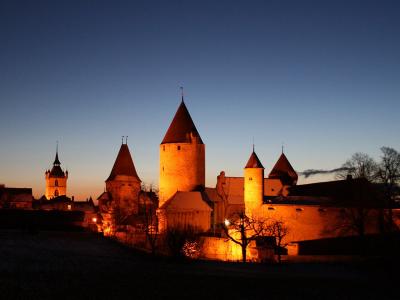
Château De Chenaux
13th-century medieval keep in Estav-le-Lac
Cultural Experiences · History & Heritage
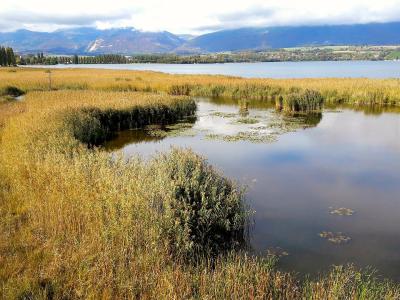
Grande Cariça Nature Reserve
Switzerland's largest lakeside nature reserve
Natural Wonders · Lakes & Rivers
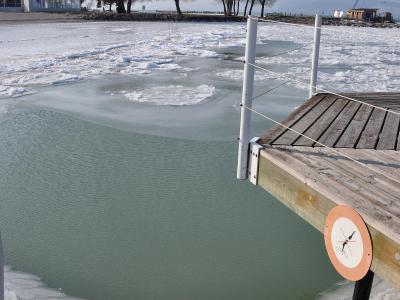
Nouvelle Plage (beach)
Sandy beach with a cable ski
Free Activities & Adventure · Beaches
Estavayer-le-Lac by interest
The same sights, grouped by what you came for.
Planning a visit to Estavayer-le-Lac
Itineraries that include Estavayer-le-Lac
Good to know
- Currency
- CHF
- Language
- German, French, Italian and Romansh
Quick Facts
Book your stay
Questions people ask
More places in Fribourg

Fribourg
Gruyères
Medieval hilltop town famed for cheese, castle, and art

Fribourg
Murten
Medieval lakeside town with ramparts, vineyards, and views

Fribourg
Düdingen
Lakeside village with hermitage, gardens, and nature trails
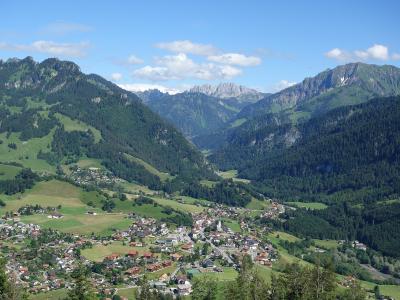
Fribourg
Charmey
Alpine spa village with cheese dairies and mountain lakes