







- Admission
- Free
- Hours
- Open 24 hours (natural area)
- Where
- Murten, Fribourg
- Directions
- Directions
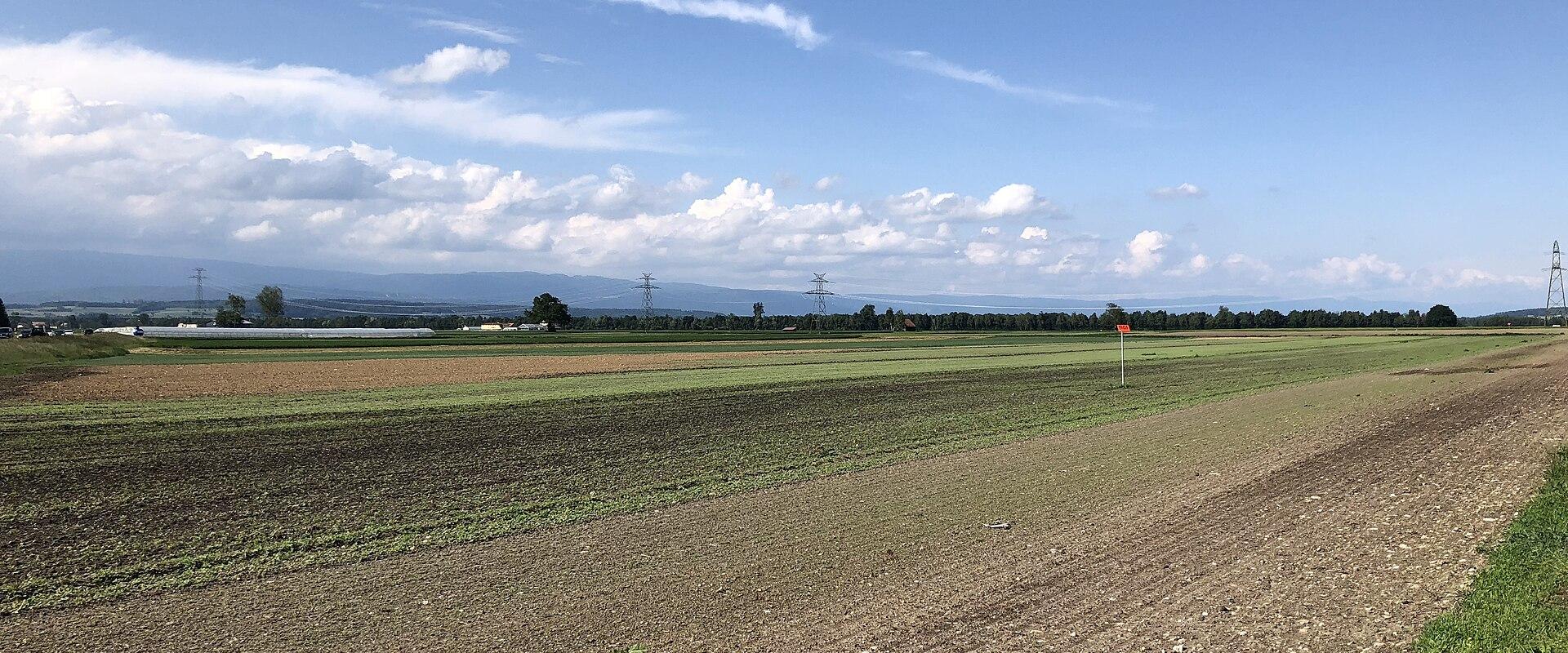
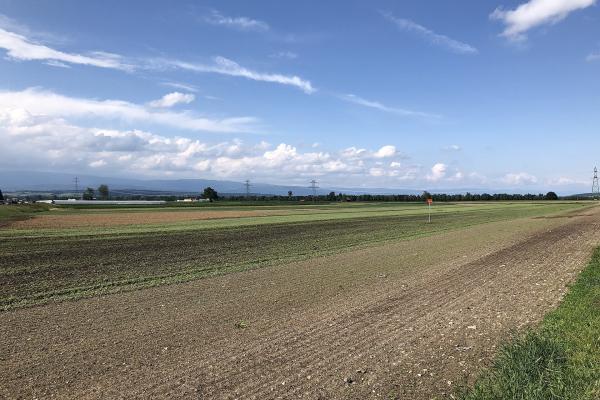
The Grosses Moos, or Great Marsh, is a broad, flat plain in western Switzerland, covering parts of the cantons of Fribourg, Bern and Vaud, between Lake Murten, Lake Neuchâtel and Lake Biel. It is known today as the largest vegetable-growing region in the country, and it is often called the vegetable garden of Switzerland. The fields of carrots, onions, leeks, lettuce, cabbage and other crops stretch across a landscape as level as a table, divided by straight canals and rows of poplars, and from above they form a patchwork of greens and browns. It is a very different Switzerland from the mountains of the postcards, but it is as important to the country as any peak.
The marsh did not always look like this. Until the nineteenth century, the plain was a wet, unhealthy area, regularly flooded by the Aare and by the overflow of the lakes, with peat bogs, reed beds and scattered settlements whose inhabitants suffered from poor harvests and diseases such as malaria. The solution was a vast engineering project, the Jura Water Correction, carried out in the second half of the nineteenth century. Canals were dug, the Aare was diverted into Lake Biel through a new channel, and the water levels of the lakes were lowered by a couple of metres, which allowed the marsh to be drained. Thousands of hectares of fertile peat soil became available for farming, and in time the region became one of the most productive agricultural areas in Switzerland.
The black peat soil is the secret of the crops. It is rich in organic matter and retains moisture, which suits vegetables, and the mild climate of the lakeside region helps the growing season. A visible consequence of drainage is that the peat shrinks and sinks as it dries, so the land surface has fallen by several metres in places, and farmers and authorities have had to manage drainage and water levels carefully. Today there is a debate about how to balance intensive farming, the protection of the remaining peat and the restoration of wetlands, and some nature reserves have been created on the edges.
The best way to see the Grosses Moos is by bicycle, since the flat terrain and the network of farm roads and canal paths make for easy riding, and several signposted cycle routes cross the area. You can watch farm machinery at work, see the vegetable fields in different seasons and stop at farm shops that sell produce, particularly in summer and autumn. The nearby town of Murten, with its medieval walls and castle, makes a good starting or finishing point, and boat trips on the lake pass the edge of the plain. The Witzwil area, with its large agricultural estate, and the villages of Ins and Kerzers are also characteristic.
There is no entrance fee, since the area is working farmland, and visitors should stay on public paths and not enter fields. The plain suits cyclists, families and anyone interested in landscape and agriculture. Allow two to four hours for a bike ride. Wind can be strong on the open plain, so bring a windproof layer.
Categories
More photos coming soon
Hours & Fees
- Open
- Open 24 hours (natural area)
- Admission
- Free
Hours and prices change, especially out of season. Check with the venue before you go.
Nearby Attractions
Other places to visit in Murten
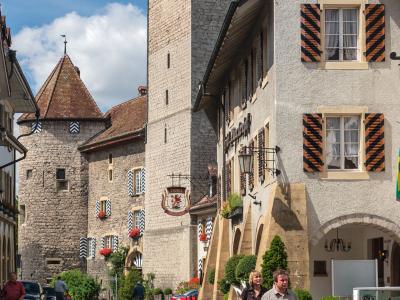
13th-century Castle
13th-century castle in Murten, Switzerland
Castles · Viewpoints
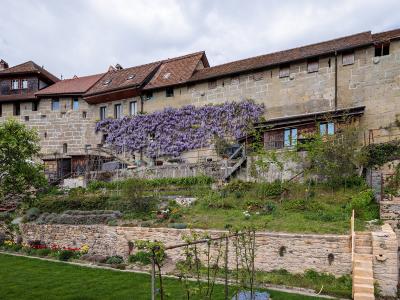
Fortified Walls (Murten)
Historic fortified walls in Murten, Switzerland
Fortresses · Historic Towns
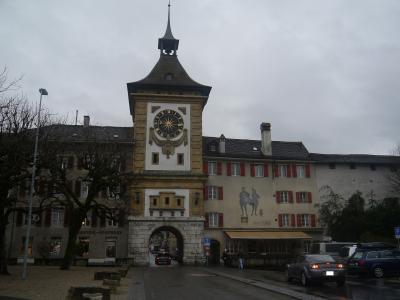
Historic Old Town (Murten)
Walled medieval town on Lake Murten
History & Heritage · Urban Exploration
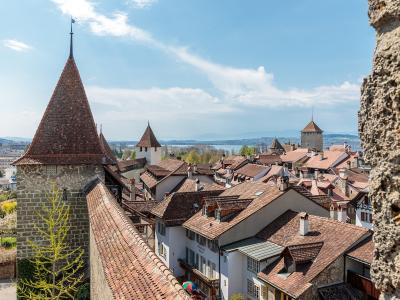
Lake Murten (Lac De Morat)
Alpine lake in Swiss Fribourg, known for vineyards and hi...
Beaches · Historic Towns
Questions people ask
Quick Facts
Best Time to Visit
May to September offers mild weather, lake activities, and lively festivals—ideal for exploring Murten’s old town, ramparts, and lakeside attractions.