







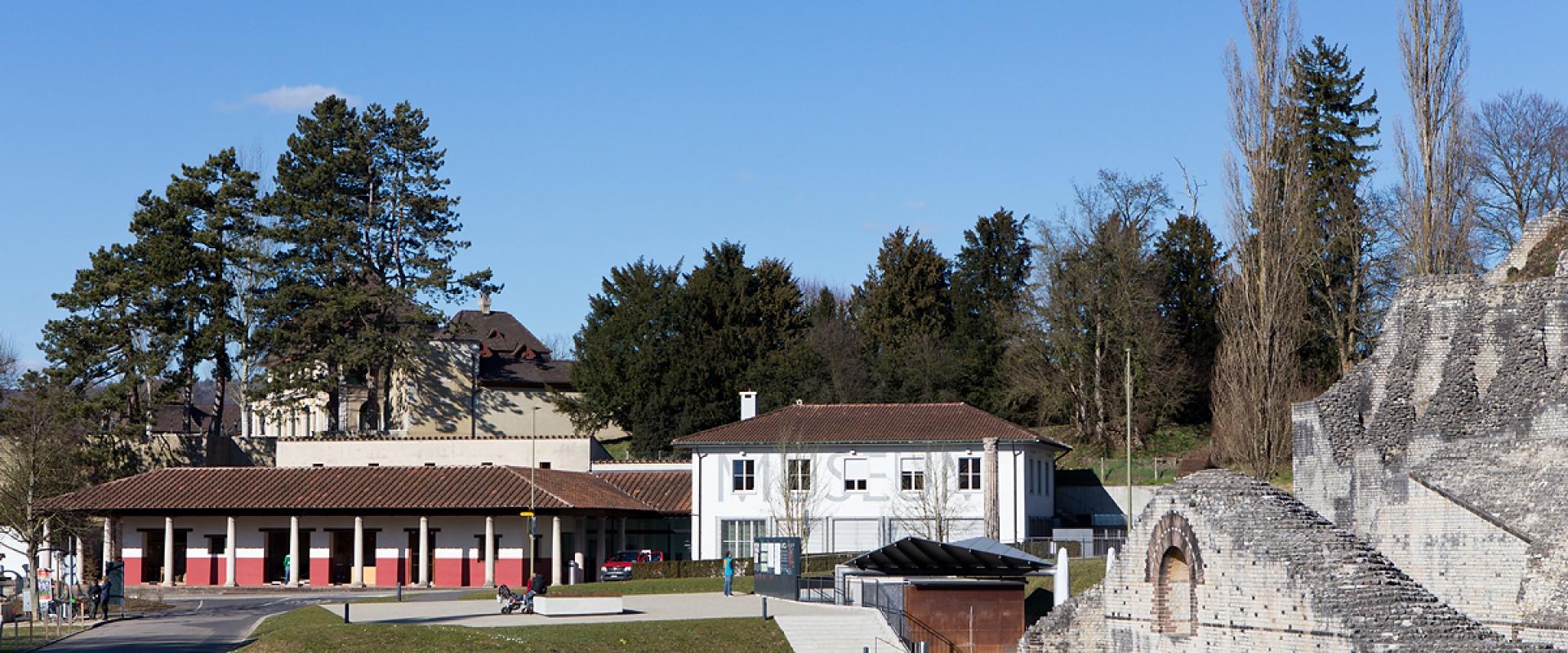
Funerary Monument At Augusta Raurica
Roman elite cremation monument with arches
- Where
- Augusta Raurica, Basel
- Directions
- Directions
Roman law and custom kept the dead outside the town, and the funerary monument at Augusta Raurica is a clear example. It stands just beyond the former town gate, beside the old road that ran east toward Vindonissa, the legionary camp at Windisch. Along roads like this, wealthy families put up tombs where every traveller entering or leaving the city would see them, as a way of advertising their status and keeping the memory of the dead alive. The row of such graves outside the walls was a kind of street of the dead, and visitors to the archaeological park can still read the layout.
The monument at Augusta Raurica belongs to a person of means from the late 1st century AD. Excavations indicate a cremation burial: the body was burned on a pyre, and food and drink, including wine and other offerings, were placed around it as part of the ritual. The remains of the fire were collected and placed in a container, together with small personal objects, and then buried under a structure of stone and earth. This structure was built with relieving arches, a technique in which arches inside the mass of the masonry distribute weight and keep the walls stable, and the result is a large, solid monument that was meant to last. Such details tell archaeologists about Roman religious belief, social rank and daily habits, and they show how much effort a family spent on the funeral of an important member.
What visitors see today are the reconstructed and consolidated remains, so the shape of the monument can be read even though the upper parts have gone. Information panels explain the burial, the ritual and the meaning of the arches, and the position beside the road makes the setting easy to picture. The site is part of the open-air archaeological park and can be reached on foot from the main area of the Roman town, so it works as a quiet counterpoint to the theatre and forum. The contrast between the city of the living and the road of the dead is one of the things that makes Roman towns easier to understand.
The nearby museum and Roman house give further context, with finds from graves and displays on Roman beliefs about death and the afterlife. The tomb is best seen after the big monuments of the town, when the visitor has a sense of the city’s scale and wealth, and it then explains where the people who built the town went when they died. Some funerary objects from the region are in the museum, and information about opening times is on the Augusta Raurica website.
It suits history and archaeology enthusiasts, school groups and anyone curious about Roman-era Switzerland and its funeral customs. It is a short stop and best combined with a walk along the road toward the edge of the site, where more graves and field traces can be seen.
Categories
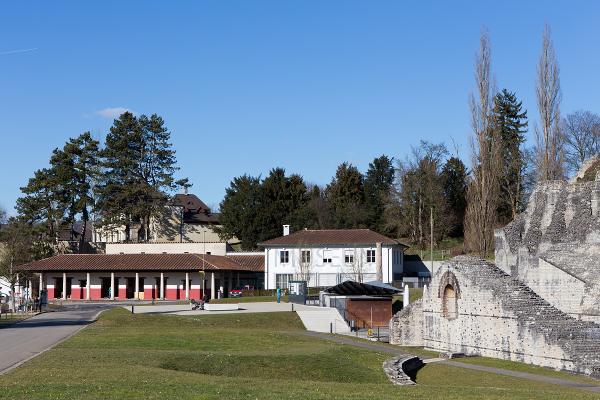
More photos coming soon
Nearby Attractions
Other places to visit in Augusta Raurica
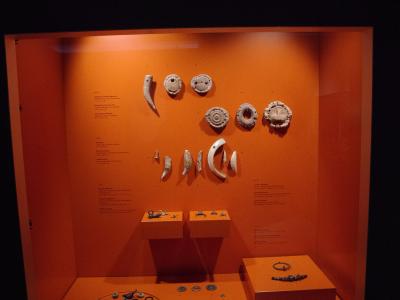
Collection Of 270 Antique Silver Pieces At Augusta Raurica Museum
270 antique Roman silver pieces at Augusta Raurica
Cultural Experiences · History & Heritage
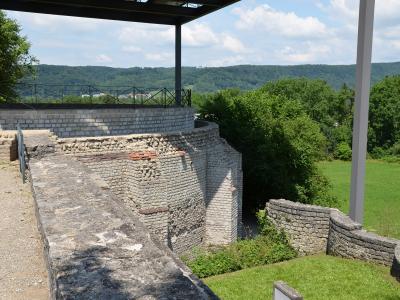
Defensive Wall Of Augusta Raurica
Roman defensive wall ruins at Augusta Raurica
Ancient Sites · Fortresses
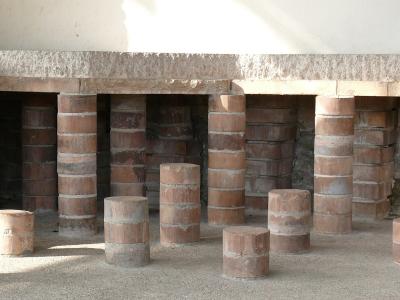
Hypocaust System At Augusta Raurica
Ancient Roman underfloor heating system at Augusta Raurica
Cultural Experiences · History & Heritage
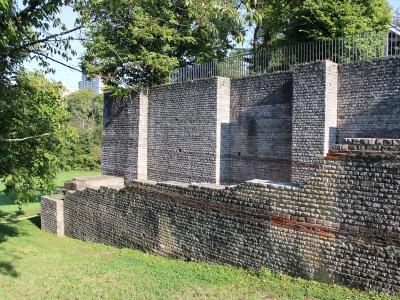
Basilica Of Augusta Raurica
Ancient Roman ruins with a preserved basilica
History & Heritage · Ancient Sites
Questions people ask
Quick Facts
Best Time to Visit
May to October offers mild weather, open-air events, and the best conditions for exploring Augusta Raurica’s extensive archaeological park.