
Basilica Of Augusta Raurica
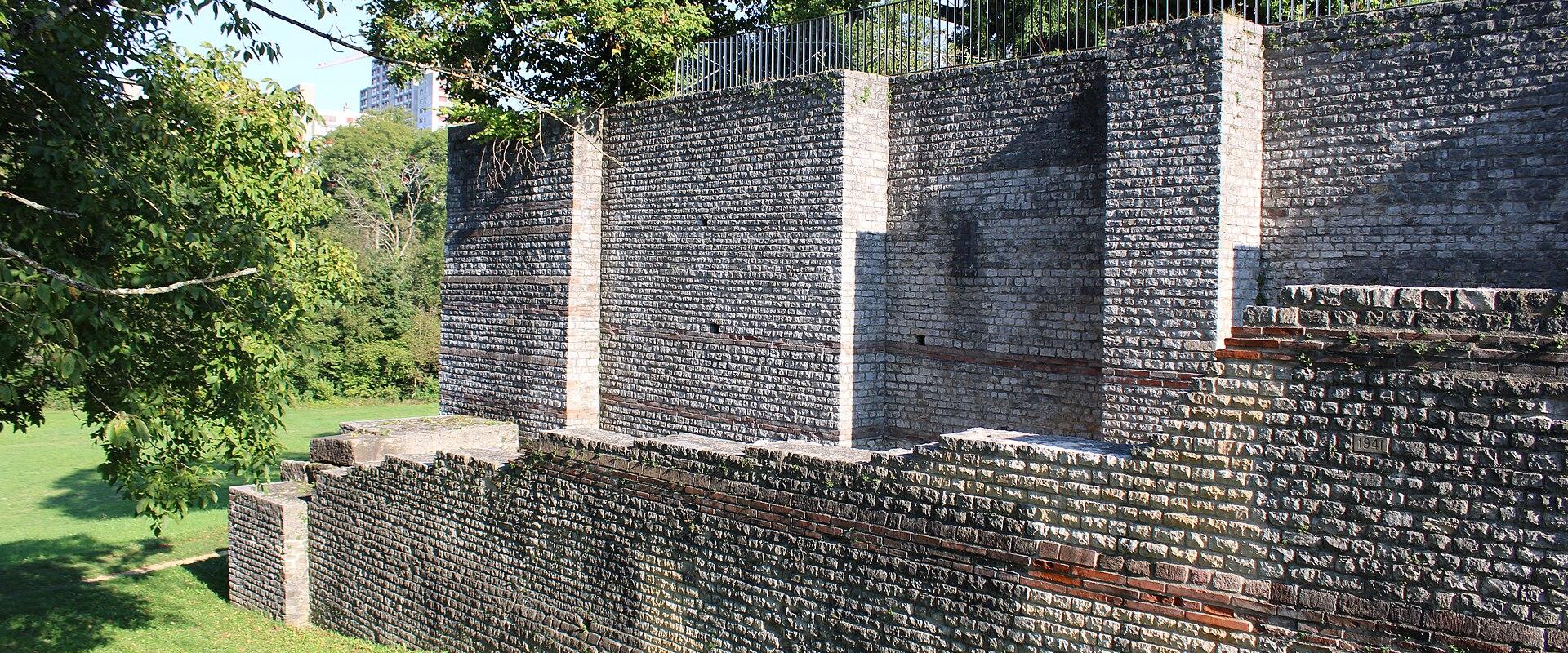
Ancient Roman ruins with a preserved basilica
- Where
- Augusta Raurica, Basel
- Directions
- Directions
Augusta Raurica was the first Roman colony on the Rhine, founded around 15 BC on a terrace above the river, a few kilometres upstream from modern Basel. Its ruins lie in the villages of Augst, in the canton of Basel-Landschaft, and Kaiseraugst, in Aargau, and they form the largest archaeological site of the Roman period in Switzerland. At its height in the second century, the town had a population estimated at some ten to twenty thousand, with temples, baths, a theatre, an amphitheatre, shops and houses, laid out on a grid of streets in the typical Roman manner. The basilica stood in the middle of this civic centre, beside the forum, and gives a good idea of how a Roman town was governed.
In Roman cities, a basilica was not a church but a large public hall, usually a long rectangle with a high central space and side aisles separated by rows of columns. It served as a covered meeting place, used for business deals, legal hearings and public gatherings, protected from weather and with room for crowds. The basilica at Augusta Raurica stood beside the forum, the open square at the centre of public life, and the nearby temple and council building formed part of the same complex. Together they made the political and commercial core of the town. When Christianity became the religion of the empire, the plan of the basilica was adopted for churches, which is why the word acquired its modern meaning.
What survives of the Augusta Raurica basilica today is mainly foundations and parts of walls, with the outline of the hall marked out so that you can walk through the space and see its size. These are not tall ruins, and visitors should not expect standing columns, but information panels, reconstructions and the nearby museum help bring the layout to life. A walk across the forum area and the basilica foundations is a good way to understand the scale of the town and how its parts fit together.
Augusta Raurica prospered for two centuries and then declined in the third century, when the Roman frontier came under pressure from Germanic groups and the town was damaged. A smaller fortified settlement survived on the Rhine in the late Roman period, in what is now Kaiseraugst, and the old city was gradually used as a quarry for building stone, which explains why so little stands above the ground. Excavations since the sixteenth century have recovered a great deal, and archaeologists continue to work on the site.
The open-air areas of the site can be visited at no charge, and the museum and the reconstructed Roman house have their own opening times and fees, so check the official website before you go. The site suits history readers, families and school groups, and it is large enough to need half a day to see properly. Wear comfortable shoes, bring water, and consider starting at the museum for an overview before walking the monuments. Early morning and late afternoon are the best times for photographs, when low light shows the outlines of the stones.
Categories
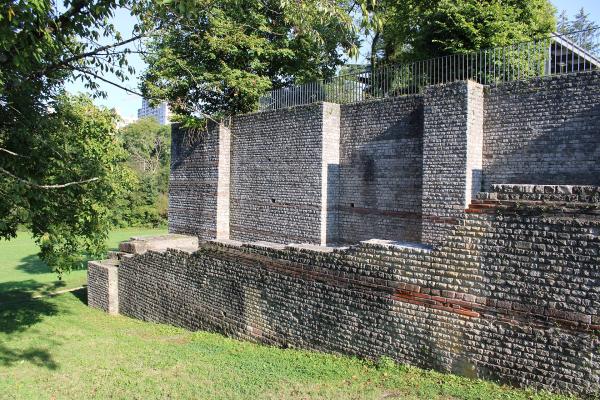
More photos coming soon
Nearby Attractions
Other places to visit in Augusta Raurica
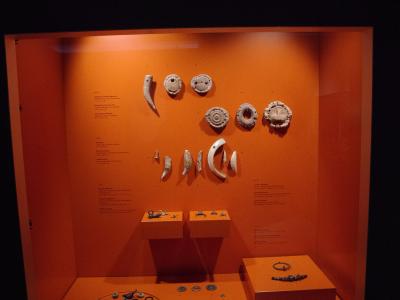
Collection Of 270 Antique Silver Pieces At Augusta Raurica Museum
270 antique Roman silver pieces at Augusta Raurica
Cultural Experiences · History & Heritage
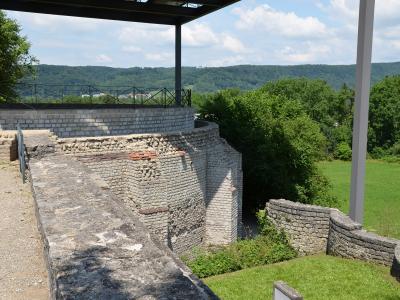
Defensive Wall Of Augusta Raurica
Roman defensive wall ruins at Augusta Raurica
Ancient Sites · Fortresses
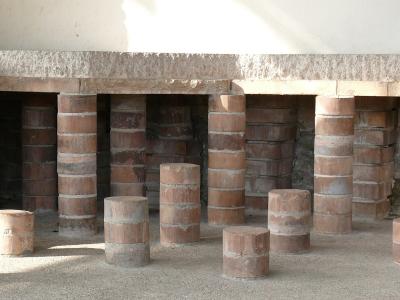
Hypocaust System At Augusta Raurica
Ancient Roman underfloor heating system at Augusta Raurica
Cultural Experiences · History & Heritage
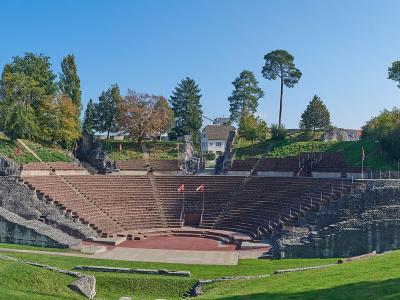
Roman Theatre Of Augusta Raurica
Largest Roman theatre in Switzerland's oldest colony
Cultural Experiences · History & Heritage
Questions people ask
Quick Facts
Best Time to Visit
May to October offers mild weather, open-air events, and the best conditions for exploring Augusta Raurica’s extensive archaeological park.