
Defensive Wall Of Augusta Raurica
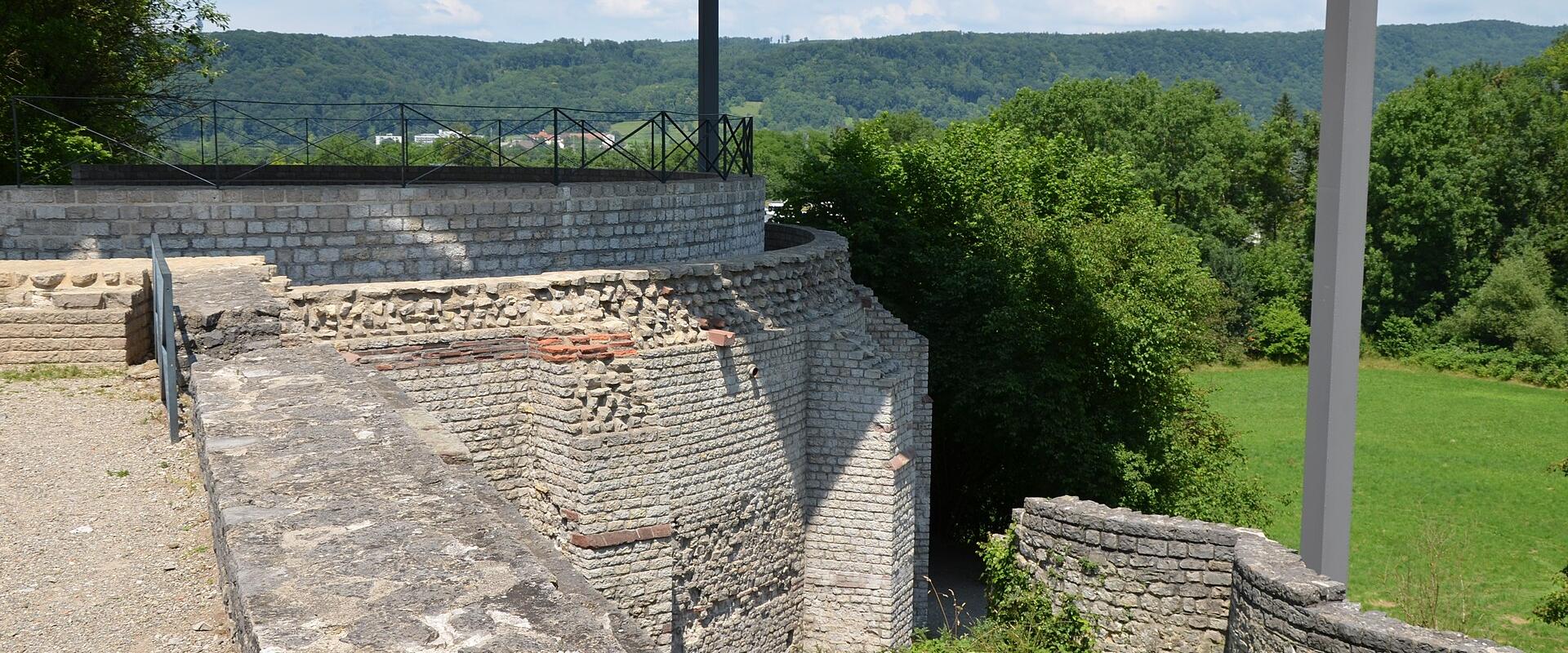
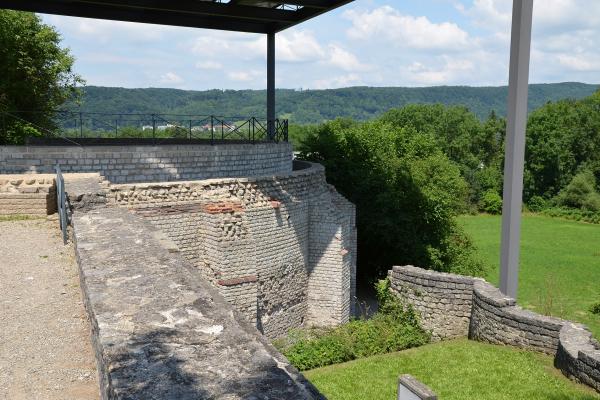
Roman defensive wall ruins at Augusta Raurica
- Where
- Augusta Raurica, Basel
- Directions
- Directions
The defensive wall at Augusta Raurica is one of the traces of the Roman town’s later history, when the settlement had to think about protection. Augusta Raurica stands at Augst in northern Switzerland, east of Basel, on the south bank of the Rhine, and in its early centuries it was a prosperous open town with a theatre, a forum, baths and large houses and no need for a ring of walls. Its position on an important crossing of the Rhine, and the growing instability of the frontier in the 3rd century AD, changed that. In the late Roman period the settlement contracted toward the river, and a fortified area, the castrum at what is now Kaiseraugst, was built to control the crossing and shelter the population.
What visitors see today are the surviving sections of the older town defences and the reconstructed or consolidated stretches of wall in the archaeological park. They are low and weathered compared with a medieval castle wall, built from stone blocks set in mortar and faced with carefully cut stones, and they show how Roman builders used local limestone and sandstone. The foundations of the gates and towers mark where traffic once entered the town, and information panels along the route explain the layout and the dating of the different phases. The most useful way to read the site is to imagine the line of the wall against the outline of the town, which stretched across a broad plateau between two small rivers.
The wall is best appreciated as part of a longer walk. The archaeological park links the Roman Theatre, the Forum and Temple remains, the Basilica, the Baths and the open-air museum of the Roman house, and the wall belongs to the outer edge of that area. Walking its line gives a sense of the scale of the town, which at its height held thousands of people and covered a considerable area for the time. The late Roman fortifications at Kaiseraugst, where the silver treasure was found, make a natural pair with the older wall, since they show the town’s shift from open city to fortress.
The open-air parts of the park can be visited at any time of day, so the wall can be seen without a ticket, while the museum and some reconstructed buildings keep their own opening times. Check the official information for the season before your visit. Sturdy shoes are useful, as paths cross fields and uneven ground, and in summer the exposed site can be hot.
It suits history and archaeology enthusiasts, school groups and families who enjoy walking among ruins. It is less dramatic than the theatre or the amphitheatre, but it explains why a Roman town on the Rhine ended up behind walls.
Categories
More photos coming soon
Nearby Attractions
Other places to visit in Augusta Raurica
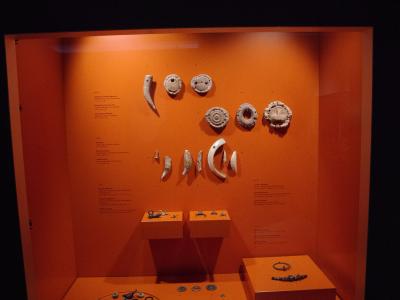
Collection Of 270 Antique Silver Pieces At Augusta Raurica Museum
270 antique Roman silver pieces at Augusta Raurica
Cultural Experiences · History & Heritage
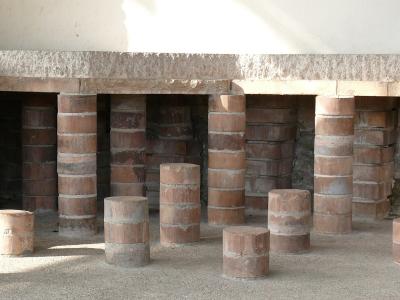
Hypocaust System At Augusta Raurica
Ancient Roman underfloor heating system at Augusta Raurica
Cultural Experiences · History & Heritage
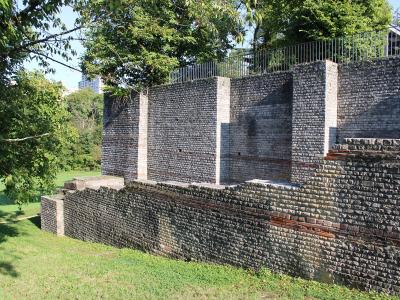
Basilica Of Augusta Raurica
Ancient Roman ruins with a preserved basilica
History & Heritage · Ancient Sites
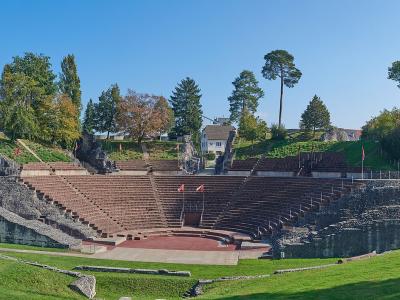
Roman Theatre Of Augusta Raurica
Largest Roman theatre in Switzerland's oldest colony
Cultural Experiences · History & Heritage
Questions people ask
Quick Facts
Best Time to Visit
May to October offers mild weather, open-air events, and the best conditions for exploring Augusta Raurica’s extensive archaeological park.