







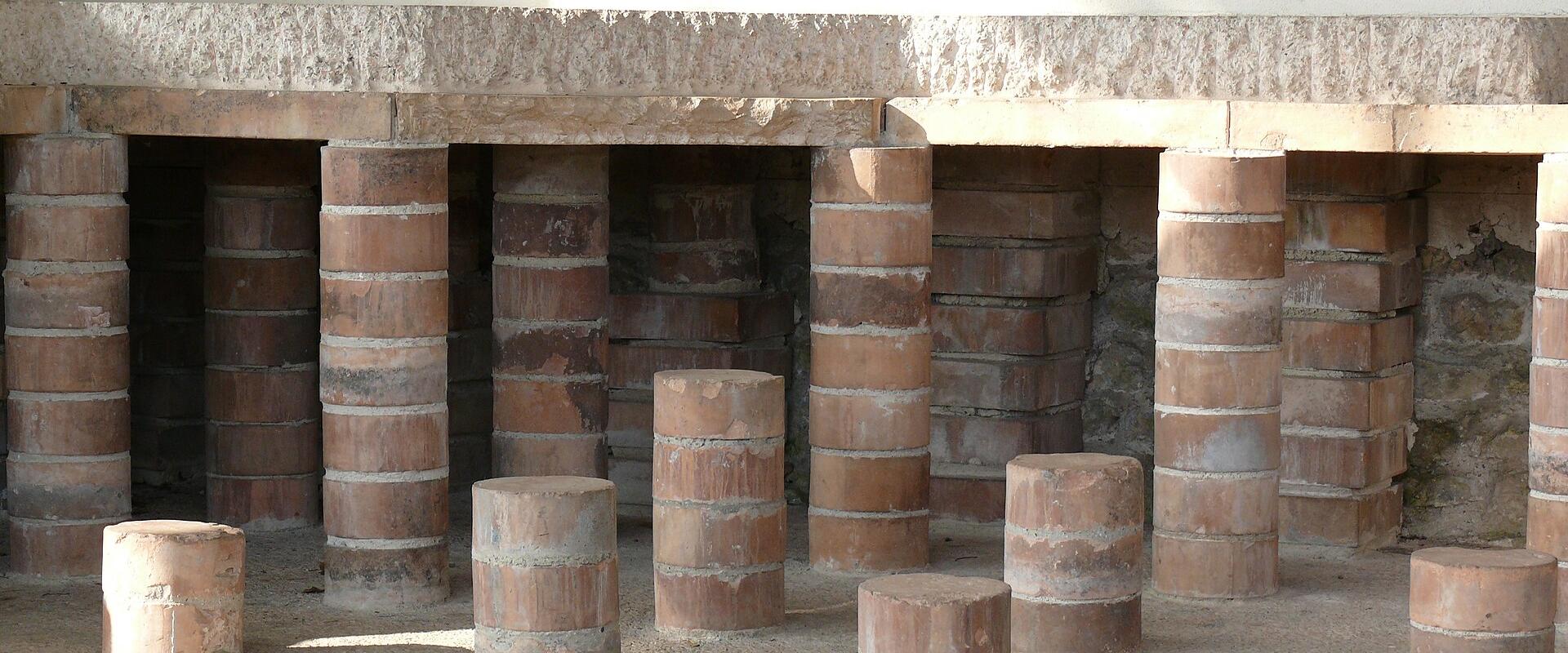
Hypocaust System At Augusta Raurica
Ancient Roman underfloor heating system at Augusta Raurica
- Where
- Augusta Raurica, Basel
- Directions
- Directions
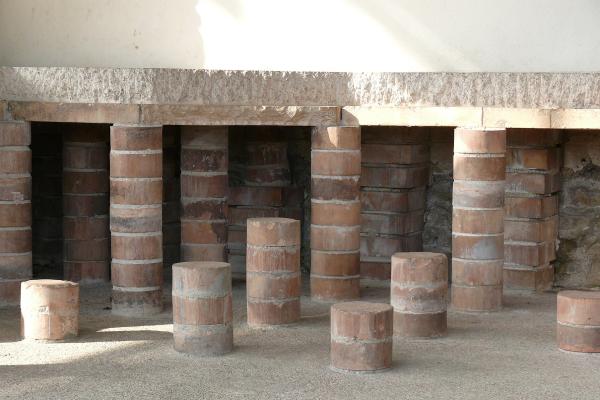
A hypocaust is the Roman method of heating a room from below, and the example at Augusta Raurica is one of the best places in Switzerland to see how it worked. The system lies in the archaeological park at Augst, near Basel, in the former Roman town centre, and it belonged to a large residence in a town that was one of the most important Roman settlements on the upper Rhine, a showpiece of Augusta Raurica’s everyday life. Because the ground floor of the house has gone, the underfloor structure is visible, and you can look into the hollow space that once held hot air.
The principle is simple and clever. The floor of the heated room was raised on small pillars made of stacked clay tiles, leaving an open space beneath. A furnace in an adjoining service area, called the stoke-hole, burned wood to produce hot air and smoke, and the heat flowed through the space under the floor and then up through channels built into the walls, warming the room from below and from the sides. The stoke-hole is the entrance by which you now look into the system. The floor itself was often covered with a thick layer of concrete and a mosaic or decorative surface, which stored and spread the warmth. A heated dining room in a rich house was a sign of status, and the system required slaves or servants to keep the fire burning.
Hypocausts were not limited to private houses. Roman bath buildings used the same principle on a much larger scale to heat hot rooms, and the Baths of Augusta Raurica, which are a separate attraction in the park, show the technique in a public setting. Seeing both gives a clear picture of how the Romans’ engineers handled heating, water supply and drainage, and how much work was needed to keep a comfortable building running through winter. Archaeologists have also used the surviving traces to reconstruct how rooms were arranged and how the heat spread.
Information panels at the site explain the construction and the use of the room, and the open-air park is accessible without a ticket. The nearby Roman house museum, which presents a reconstructed and furnished house, adds context and has its own opening times, so check these before you plan your day. Because the hypocaust is outdoors, it is best viewed in dry weather, and the surrounding meadows are pleasant for a short walk.
It suits visitors who like technical history, families with children who enjoy hands-on demonstrations, and school groups. It is a short stop, and it works best as part of a longer visit that includes the theatre, the forum and the museum.
Categories
More photos coming soon
Nearby Attractions
Other places to visit in Augusta Raurica
Collection Of 270 Antique Silver Pieces At Augusta Raurica Museum
270 antique Roman silver pieces at Augusta Raurica
Cultural Experiences · History & Heritage
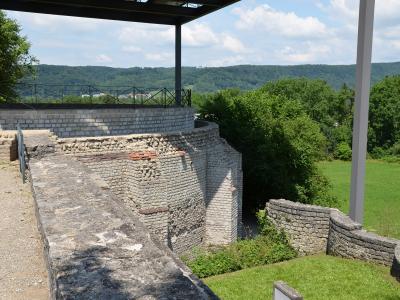
Defensive Wall Of Augusta Raurica
Roman defensive wall ruins at Augusta Raurica
Ancient Sites · Fortresses
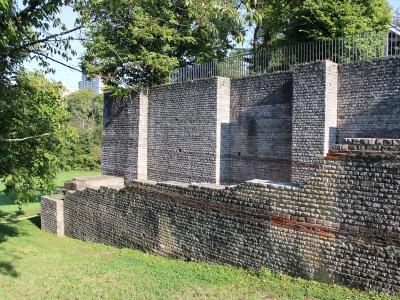
Basilica Of Augusta Raurica
Ancient Roman ruins with a preserved basilica
History & Heritage · Ancient Sites
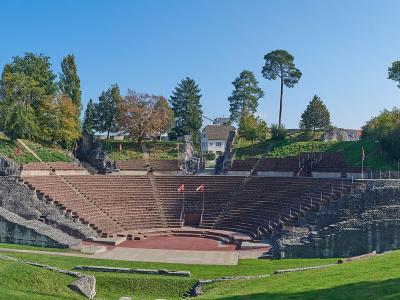
Roman Theatre Of Augusta Raurica
Largest Roman theatre in Switzerland's oldest colony
Cultural Experiences · History & Heritage
Questions people ask
Quick Facts
Best Time to Visit
May to October offers mild weather, open-air events, and the best conditions for exploring Augusta Raurica’s extensive archaeological park.