







- Hours
- Open daily, including Christmas and New Year's Day (closed only on the eves of these holid...
- Where
- Augusta Raurica, Basel
- Directions
- Directions
Public baths were one of the defining features of a Roman town, and at Augusta Raurica, the Roman city near Basel, the baths were among the places where much of the town's social life took place. For the Romans, bathing was not a matter of washing alone. It was a daily routine for people of all classes, a social ritual and a form of relaxation, and every town of any size had at least one large public bathhouse, with smaller private baths in wealthy homes. The site of the city, in the villages of Augst and Kaiseraugst, preserves remains of baths, and the best known of them is an extensive complex traditionally known as the women's baths, the Frauenthermen, where parts of the heating system and the layout of the rooms can still be seen.
A Roman bath followed a standard sequence of rooms. Visitors entered through a changing room, the apodyterium, where they left their clothes in niches or with a slave, and then moved through a series of rooms with different temperatures. The cold room, the frigidarium, had a cold plunge pool, the warm room, the tepidarium, was a place to adjust to the heat, and the hot room, the caldarium, had a hot pool and was heated to a high temperature. Some baths also had a dry sauna-like room, the laconicum, and exercise yards, called palaestrae, where people wrestled, played ball games and exercised before bathing. Attendants rubbed the bathers with oil and scraped it off with a curved tool, the strigil, and visitors could also buy snacks, have a massage or read in a library, so the baths worked as an early form of leisure centre.
The technology that made this possible was ingenious. Floors in the heated rooms were raised on small pillars of brick or stone, leaving a hollow space beneath, and hot air from a furnace in a service area, the praefurnium, circulated through this space and also rose in flues in the walls. This system of underfloor heating is called a hypocaust, and the remains of such pillars are often what visitors see in ruined Roman baths, since the floors above have collapsed. Water was supplied by an aqueduct, and at Augusta Raurica a channel brought water from the valley of the river Ergolz to the town, a distance of several kilometres, while drains carried away the used water. Operating a bath required huge amounts of firewood and a team of workers, which shows the scale of investment by the town.
Augusta Raurica was founded around 15 BC and reached its height in the second century, with a population estimated at ten to twenty thousand people, and it needed such facilities. The baths were used by men and women, sometimes at different hours or in separate sections, and they were open to citizens and non-citizens alike for a small fee. Excavations over many decades have recovered tools, jewellery, glass and pottery from the bath areas, which give an idea of everyday life. Information boards at the site explain the rooms and the heating.
The archaeological park is open to visitors, and the remains of the baths can normally be seen from marked paths, though parts may be fenced or covered in winter, so check conditions on the official website. The museum and the reconstructed Roman house, which are separate, have their own hours and ticket prices. The site suits history readers, families and school groups. Allow about thirty minutes for the baths and half a day for the whole site, and wear comfortable shoes.
Categories
More photos coming soon
Opening Hours
- Open
- Open daily, including Christmas and New Year's Day (closed only on the eves of these holidays).
Hours and prices change, especially out of season. Check with the venue before you go.
Nearby Attractions
Other places to visit in Augusta Raurica
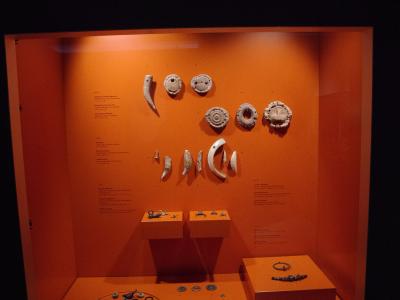
Collection Of 270 Antique Silver Pieces At Augusta Raurica Museum
270 antique Roman silver pieces at Augusta Raurica
Cultural Experiences · History & Heritage
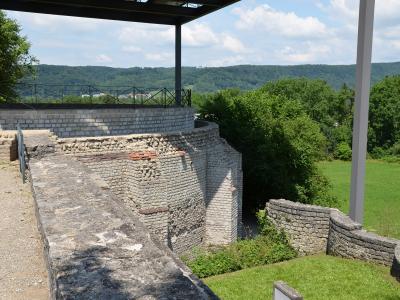
Defensive Wall Of Augusta Raurica
Roman defensive wall ruins at Augusta Raurica
Ancient Sites · Fortresses
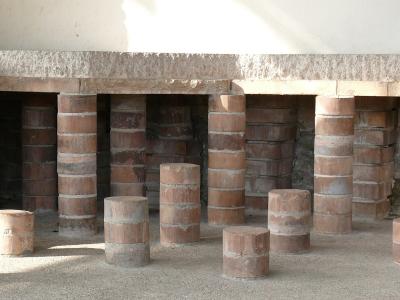
Hypocaust System At Augusta Raurica
Ancient Roman underfloor heating system at Augusta Raurica
Cultural Experiences · History & Heritage
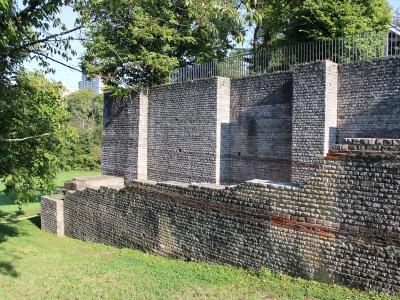
Basilica Of Augusta Raurica
Ancient Roman ruins with a preserved basilica
History & Heritage · Ancient Sites
Questions people ask
Quick Facts
Best Time to Visit
May to October offers mild weather, open-air events, and the best conditions for exploring Augusta Raurica’s extensive archaeological park.