








Animal Park & Biodiversity Area At Augusta Raurica
Roman-era breeds and biodiversity conservation
- Where
- Augusta Raurica, Basel
- Directions
- Directions
Alongside its ruins, Augusta Raurica has a small animal park that reflects a simple idea: the Romans lived with animals, and the animals they kept were not the same as those on modern farms. The park, located on the edge of the archaeological site, near the line of the old city wall, keeps breeds that resemble the livestock of Roman times, and at the same time also works as a refuge for rare traditional breeds and wild species. It is a good place for families, who will find it a gentler and more tactile contrast to the museums and ruins nearby.
The livestock reflects what archaeologists have learned from bones found on the site. The Romans kept pigs, sheep, goats, cattle, poultry and geese, and they bred them for meat, milk, wool and eggs. Modern industrial breeds grow faster and larger than their ancient ancestors, so the park chooses old or rare breeds that are closer in size and appearance. Examples include woolly pigs, with their thick curly coats, and sheep and goats from Alpine regions, among them breeds from the Valais and from Ticino that are valued for hardiness and for their role in local culture. A range of poultry and waterfowl completes the picture. The enclosures are designed to show how animals might have been kept in the past, with simple shelters and paddocks.
Several of the breeds belong to the category of endangered farm animals that conservation groups work to protect. Swiss organisations such as ProSpecieRara maintain registers and breeding programmes for traditional livestock and plant varieties, and the park cooperates with such efforts, so that visitors can see animals that are becoming rare. The park also takes care of wild habitats, with hedges, ponds and open ground that provide shelter for insects, amphibians and birds, and some of them are species on the national lists of threatened wildlife. Information boards explain what animals and plants live in each area and how visitors can help to protect them.
There is a small exhibition on daily life around the city gate, which connects the animals with the history of the town. It describes the crafts, trades and farming that took place at the edge of Roman towns, where animals were driven in, goods were traded and travellers arrived. Picnic tables and benches are spread through the park, so a visit can include a meal or a rest, and the paths are level and easy for small children.
Entry to the park is generally free, and it is open through most of the year, though winter closures and feeding rules may apply, so check the Augusta Raurica website before you go. Visitors are asked to keep to the paths, avoid feeding the animals with food that is not provided, and keep dogs on leads. The park suits families with children, school groups and anyone who likes animals. Allow thirty to sixty minutes, and combine the visit with the bronze model, the museum and the theatre for a full day at the site.
Categories

More photos coming soon
Nearby Attractions
Other places to visit in Augusta Raurica
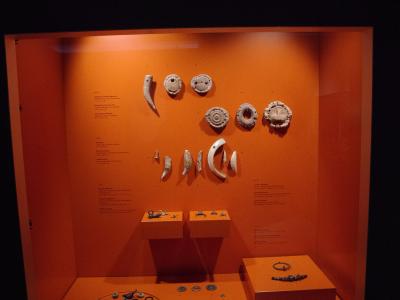
Collection Of 270 Antique Silver Pieces At Augusta Raurica Museum
270 antique Roman silver pieces at Augusta Raurica
Cultural Experiences · History & Heritage
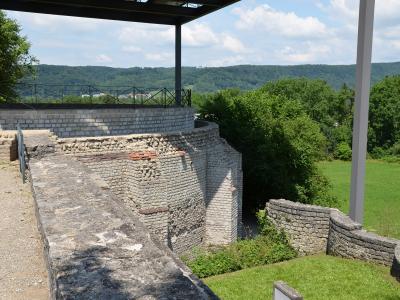
Defensive Wall Of Augusta Raurica
Roman defensive wall ruins at Augusta Raurica
Ancient Sites · Fortresses
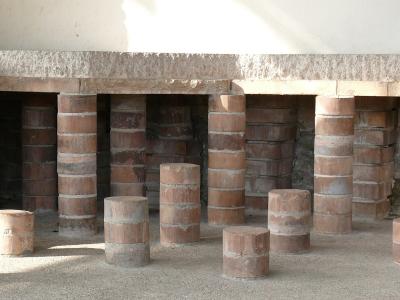
Hypocaust System At Augusta Raurica
Ancient Roman underfloor heating system at Augusta Raurica
Cultural Experiences · History & Heritage
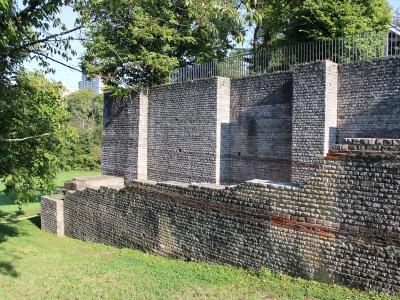
Basilica Of Augusta Raurica
Ancient Roman ruins with a preserved basilica
History & Heritage · Ancient Sites
Questions people ask
Quick Facts
Best Time to Visit
May to October offers mild weather, open-air events, and the best conditions for exploring Augusta Raurica’s extensive archaeological park.