



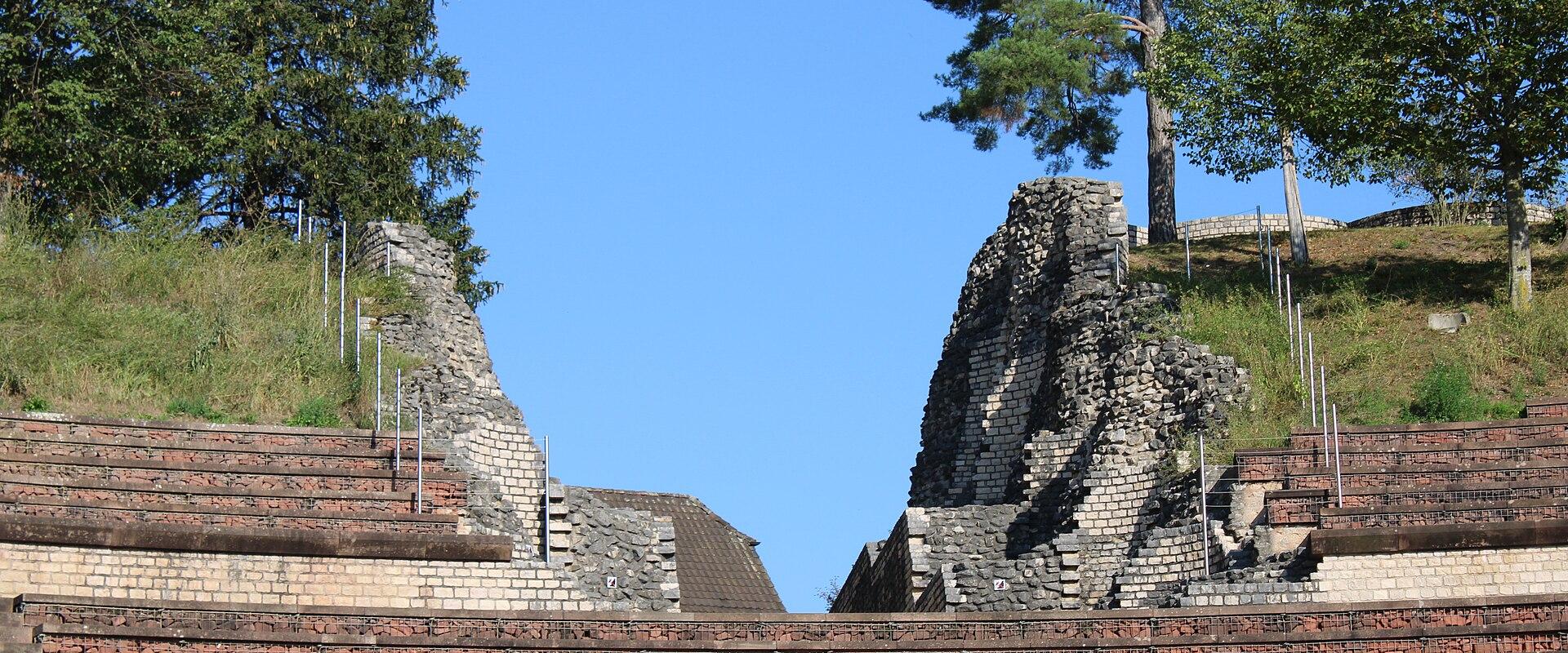
Amphitheatre Of Augusta Raurica
Roman amphitheatre for gladiators and hunts
- Where
- Augusta Raurica, Basel
- Directions
- Directions
The Amphitheatre of Augusta Raurica was the place, and one of Switzerland’s best-preserved Roman arenas, where the Roman town went to watch blood sports, and it ranks among the best-preserved monuments of the archaeological park at Augst. It lies on the eastern side of the town, away from the main public buildings, in the area known as Sichelen. The first arena was probably built of wood in the 1st century AD, and a stone version was built later, around the second half of the 2nd century, when the town was at its peak. It could hold more than ten thousand spectators, which shows how large and wealthy the community was.
Roman amphitheatres were used for gladiatorial combat, animal hunts and executions, and the design of the building reflects this. The oval arena was surrounded by a high wall to protect the audience, and tiers of seats rose around it on banks of earth and masonry. Two main entrances were at the ends of the long axis, one known as the Gate of Procession, through which the contestants entered in a solemn parade, and the other known as the Gate of Death, through which the dead were removed. Rooms and passages below the seating held animals and equipment, and a small chapel was probably dedicated to the goddess Nemesis, whom gladiators worshipped. The stone seating had to be reached by stairs and corridors that moved large crowds quickly.
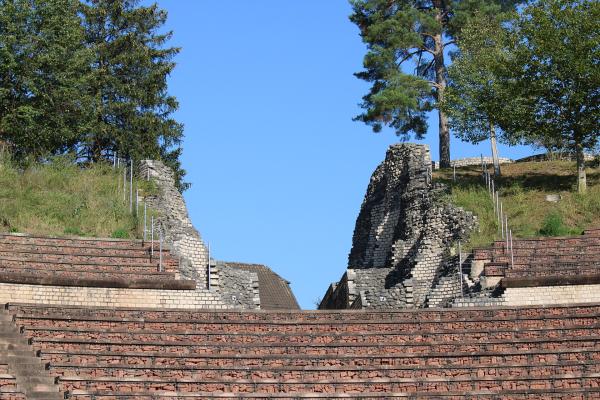
Over the centuries the building lost its function. As the town shrank in late Roman times, the amphitheatre was no longer used for games, and parts of it were taken apart and used as a quarry for building stone. Later, the remains were covered by soil and farmland until archaeologists uncovered and restored them in the 20th century. The surviving walls, the shape of the arena and the entrance gates are what visitors see now, and the grassy banks show where the seats once stood.
The site is open air and free to visit at any time, with information panels that explain the building and its use. Picnic tables nearby invite visitors to stay, and it is easy to combine the visit with the Roman Theatre and the museum. Facilities such as parking, a museum shop and toilets are available close to the main entrance of the park. Events are held here from time to time, so check the Augusta Raurica website for the programme.
It suits history lovers, families with children who like to run around the grass and anyone curious about how the Romans spent their leisure time. A visit takes about thirty minutes, longer if you read the panels.
Categories
More photos coming soon
Nearby Attractions
Other places to visit in Augusta Raurica
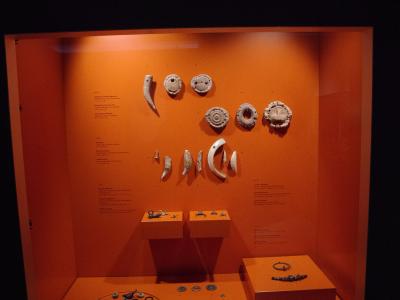
Collection Of 270 Antique Silver Pieces At Augusta Raurica Museum
270 antique Roman silver pieces at Augusta Raurica
Cultural Experiences · History & Heritage
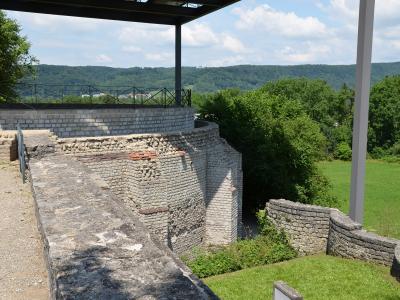
Defensive Wall Of Augusta Raurica
Roman defensive wall ruins at Augusta Raurica
Ancient Sites · Fortresses
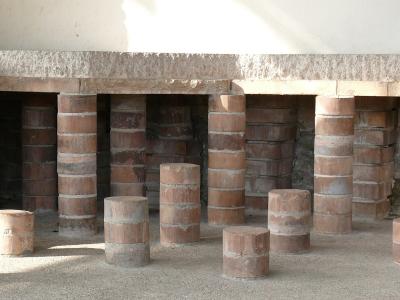
Hypocaust System At Augusta Raurica
Ancient Roman underfloor heating system at Augusta Raurica
Cultural Experiences · History & Heritage
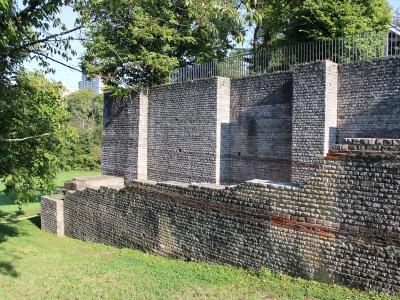
Basilica Of Augusta Raurica
Ancient Roman ruins with a preserved basilica
History & Heritage · Ancient Sites
Questions people ask
Quick Facts
Best Time to Visit
May to October offers mild weather, open-air events, and the best conditions for exploring Augusta Raurica’s extensive archaeological park.