


The Alpine Layering Strategy
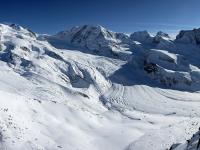
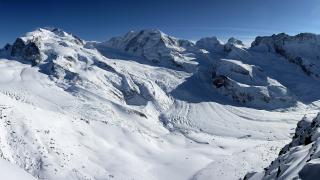
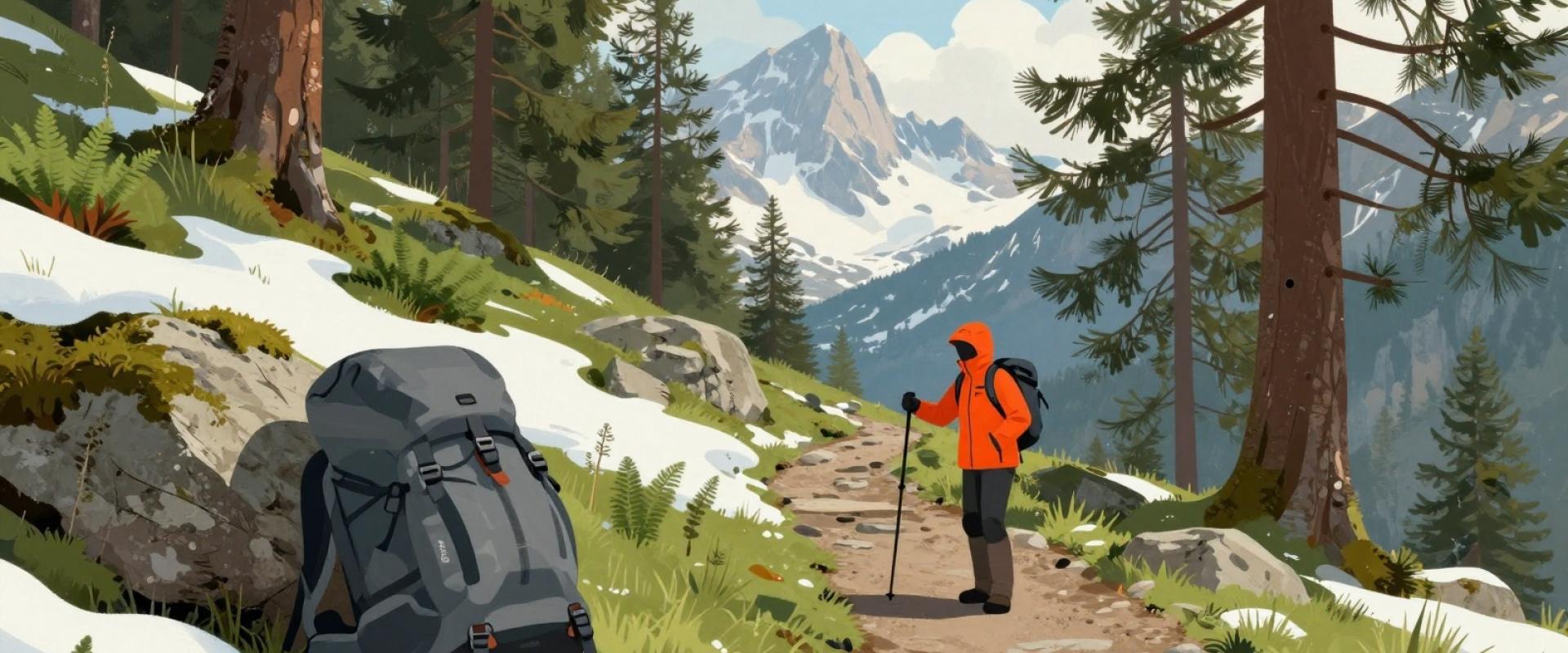
Switzerland’s weather shifts rapidly across altitudes ranging from 200m to over 3,400m. Temperatures can fluctuate by 15°C within a single day. This variability demands a strategic layering approach for all travelers. The 'onion' method is essential for managing these conditions effectively. Start with a moisture-wicking base layer to keep skin dry. Choose synthetic fabrics or merino wool for optimal thermal regulation. Avoid cotton entirely, as it retains moisture and causes chilling. Add a mid-layer, such as fleece, for insulation during cooler periods. A waterproof and windproof outer shell protects against sudden alpine storms. This combination replaces the need for heavy, single-purpose winter coats. Proper layering ensures comfort during steep hikes on cobbled streets. It also adapts to changing conditions in mountain valleys. Pack versatile items that mix and match easily. This strategy reduces luggage weight while maximizing functionality. You will navigate Switzerland’s diverse terrain with greater ease. The system works reliably in every season. Prioritize quality materials that withstand high UV exposure. This approach is critical for safety and comfort. It allows you to adjust quickly to altitude changes. Effective layering is a non-negotiable aspect of Swiss travel preparation.
Footwear: The Non-Negotiables
Switzerland’s terrain demands specific footwear choices. Steep gradients and cobblestone streets are common throughout the country. These conditions require sturdy, supportive shoes for safe navigation. Hiking boots or high-quality walking shoes are essential. This is especially true for mountain excursions in the Alps. You must avoid bringing new, unbroken-in shoes. The risk of developing painful blisters is high on uneven ground. Local replacements are significantly expensive compared to other European destinations. Plan to break in your boots at least one week before arrival. This ensures comfort during long daily walks. Wear your bulkiest footwear on travel days. This strategy saves valuable space in your carry-on suitcase. Proper preparation prevents costly mistakes and physical discomfort. Prioritize durability and support over style. Your feet will thank you on steep inclines. Type J plug adaptors are also needed for charging devices. Sunscreen remains critical due to intense UV exposure at altitude. Pack these items to ensure a safe trip. Do not rely on local stores for last-minute solutions. The cost and availability issues are real. Focus on practicality and proven comfort for your journey.
Sun Protection and Altitude Awareness
Swiss alpine sun intensity increases significantly with altitude. UV radiation intensifies as you ascend above 2,000 meters. This exposure increases the risk of severe sunburn quickly. High-SPF sunscreen is essential for all exposed skin. Apply broad-spectrum SPF 50+ before starting any activity. Reapply every two hours, especially after sweating. Lip balm with high SPF is also necessary. UV rays damage lips just as easily as facial skin. Wide-brimmed hats provide essential shade for face and neck. Sunglasses with UV400 protection are mandatory for eye safety. Glare from snow and ice reflects intense UV rays. Standard sunglasses may not offer sufficient protection at high altitudes. Choose polarized lenses to reduce glare effectively. Wear them consistently during daytime hiking or sightseeing. Water-resistant sunscreen is crucial for active travelers. Sweat and sudden alpine rain can wash away standard lotions. Use sweat-resistant formulas to maintain protection during physical activity. Check labels for 'water-resistant' or 'waterproof' labels. Reapply immediately if you swim or sweat heavily. Protecting skin prevents painful burns and long-term damage. Always check the UV index before starting outdoor activities. High altitude means stronger radiation, even on cloudy days. Clouds do not block all UV rays effectively. Always carry extra sunscreen in your day pack. Reapplication is necessary even if the sky is overcast. Staying protected ensures a safe and enjoyable alpine experience.
Electrical Adaptations and Power
Switzerland utilizes the Type J plug standard. This connector features three round pins arranged in a triangle. Most modern hotels accept this format. However, older buildings often lack universal sockets. Rural accommodations may have limited outlet types. Bringing a dedicated Swiss adapter is essential. Local purchase options are frequently expensive. A universal travel adapter with Swiss compatibility is recommended. This ensures reliable power access throughout your stay. Always verify voltage compatibility before plugging in devices. The local supply operates at 230 volts. The frequency is 50 Hertz. Check your device labels for dual voltage support. Single voltage devices may require a converter. Using incompatible equipment risks permanent damage. Plan to source adapters before arrival. This avoids last-minute shopping at premium prices. Ensure your luggage includes these critical electronics. Proper preparation prevents power-related travel disruptions. Pack adapters in your carry-on for easy access. This strategy guarantees connectivity during transit. Verify all chargers match the local specifications. This simple step protects your valuable electronics.
Practical Packing Checklist and Strategy
Plan your packing one week before arrival. This timeline allows boots to break in properly. It also ensures you source Type J adapters locally. Switzerland’s high costs make buying replacements expensive. Pack lightweight, quick-drying fabrics to manage weight. Roll clothes tightly to save suitcase space. This technique also reduces fabric wrinkles significantly. Wear bulkier items during travel days. This strategy maximizes available luggage capacity. A foldable daypack is essential for daily excursions. Use it to carry water and extra layers. Public transport space is limited on Swiss trains. Consider using luggage storage facilities at major stations. This avoids carrying large suitcases during transit. Include a small first-aid kit in your bag. Pack blister plasters to address foot care needs. Steep gradients and cobblestones cause significant foot strain. Proper preparation prevents painful injuries during hikes. Switzerland’s terrain demands specific footwear choices. Ensure all gear supports safe navigation. Layering remains critical due to rapid weather shifts. Temperatures fluctuate by 15°C within a single day. This variability requires adaptable clothing strategies. Keep dirty clothes separate using laundry bags. This maintains organization throughout your stay. Prioritize functionality over fashion in all selections. Every item must serve a practical purpose. This approach simplifies management during complex itineraries.