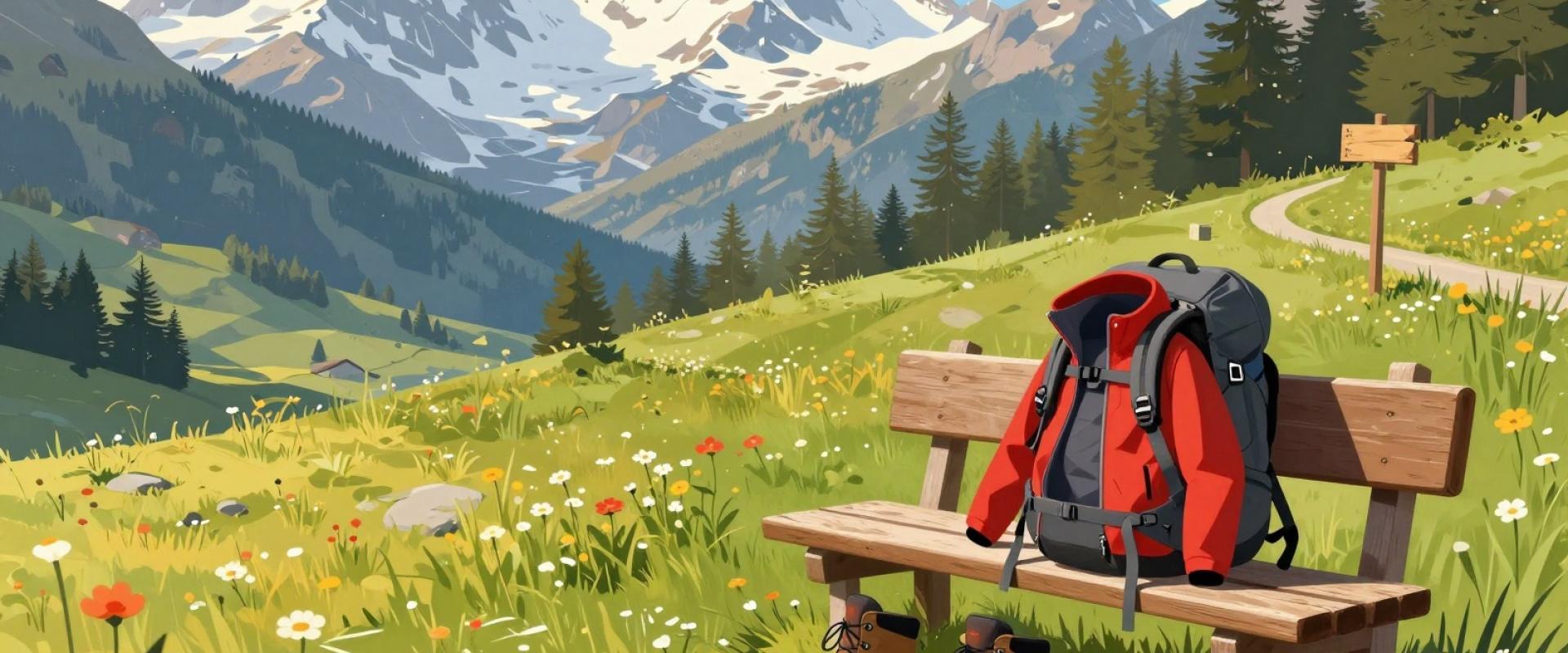
The Alpine Layering Strategy
Switzerland’s alpine climate demands a strategic layering approach. Heavy single-layer clothing is inefficient for variable conditions. Prioritize a moisture-wicking base layer to manage sweat effectively. This is critical for comfort during physical activity. Add an insulating mid-layer, such as fleece, for warmth. A windproof outer shell is essential for high-altitude exposure. Alpine peaks often feature cool, windy conditions. The layering system allows quick adjustment to temperature changes. You can remove or add layers as needed. This flexibility ensures comfort during transit and sightseeing. Avoid heavy, single-layer garments that trap heat. Instead, choose versatile, lightweight items. This strategy accommodates the rapid weather shifts typical of the Swiss Alps. It ensures you remain comfortable in all conditions.
Footwear for Varied Terrain
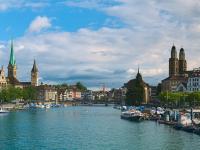
Switzerland’s terrain requires specific footwear for varied conditions. Alpine paths demand rugged, broken-in boots. These provide ankle support on steep, rocky trails. Urban areas like Zurich require comfortable, flat shoes. You can walk on paved streets without strain. The Swiss landscape shifts from alpine peaks to town centers. Your footwear must handle both natural terrain and urban streets. A single pair of versatile shoes is ideal. This reduces the need for heavy, separate gear. Choose durable soles that grip wet stone. This is essential for safety on Swiss trails. Comfort is critical for long daily walks. Avoid new shoes that have not been broken in. Blisters will disrupt your travel plans. Prioritize lightweight, breathable materials for summer months. In winter, ensure boots are insulated and waterproof. The Swiss Alps present unique challenges. Proper footwear prevents injury and fatigue. Select shoes that match your specific itinerary. This ensures comfort during sightseeing and hiking. Versatility is key to a successful trip. Pack only what is necessary for the terrain.
Essential Accessories for Alpine Conditions
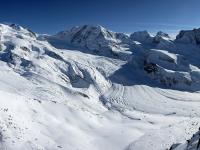
High-altitude UV exposure in Switzerland demands rigorous protection. Sun intensity increases significantly above 2,000 meters. Standard sunglasses often prove insufficient for alpine glare. Wear UV-400 rated eyewear to prevent retinal damage. A wide-brimmed hat provides essential shade for the face and neck. This simple barrier reduces heat stress during midday hikes. Warmth requires specific headgear, as heat loss occurs rapidly. A knit hat retains body heat in cold, high-altitude air. Gloves are equally critical for protecting extremities from frostbite. These small items enhance safety in variable alpine weather. They provide necessary insulation against sudden temperature drops. The Swiss Alps present unique microclimates that change rapidly. Proper headgear ensures comfort and safety during extended exposure. Prioritize quality materials that block wind and UV rays. This approach ensures physical comfort throughout the day. It allows for safe exploration of high-altitude terrain. Always verify gear suitability for specific alpine conditions. This strategy minimizes health risks in harsh environments.
Layering for Versatility and Comfort
Switzerland’s alpine climate requires strategic layering. Heavy single-layer clothing is inefficient for variable conditions. Prioritize a moisture-wicking base layer. This manages sweat effectively during activity. The primary strategy uses dual-purpose items. This approach is better than one heavy layer. It allows adjusting to temperature changes. High mountain peaks are cool and windy. Travelers should wear comfortable walking shoes. These suit town streets and trails. Pack casual clothes for evening dinners. Choose items that are easy to wash. Personal comfort dictates the final choices. Individual preferences guide the selection process. Versatile clothing adapts to changing conditions. This ensures comfort throughout the stay. Light layers provide flexibility for temperature shifts. This approach suits the alpine environment. It accommodates the rapid weather changes typical of the region. The goal is practical comfort. This is achieved through versatile, lightweight clothing. Adjustments are made as needed. This strategy ensures comfort in all conditions.
Practical Packing Checklist
Pack a versatile jacket for alpine weather. Layering is essential for variable Swiss conditions. Choose a moisture-wicking base layer for comfort. Add a mid-layer for warmth in cooler peaks. Wear comfortable walking shoes for town streets. These are suitable for urban sightseeing. Include a knit hat and gloves for cold. This is vital for high-altitude excursions. Sun protection is critical above 2,000 meters. UV intensity increases significantly at high elevations. Wear protective sunglasses to prevent eye strain. Pack light, washable clothes for evening dinners. This reduces luggage weight and bulk. Versatile clothing adapts to changing Swiss weather. Prioritize comfort and practicality in all choices. Personal preference should guide final selection. Ensure all items are compact and functional. This strategy ensures comfort during alpine tours. Verify all gear fits standard carry-on limits. Prepare for both heat and cold. Swiss weather is unpredictable and changeable. Plan layers to manage temperature shifts effectively. This approach ensures comfort in all conditions.