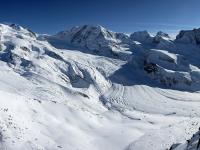
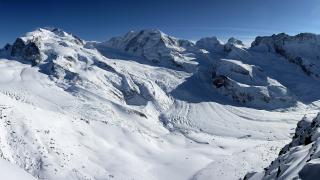


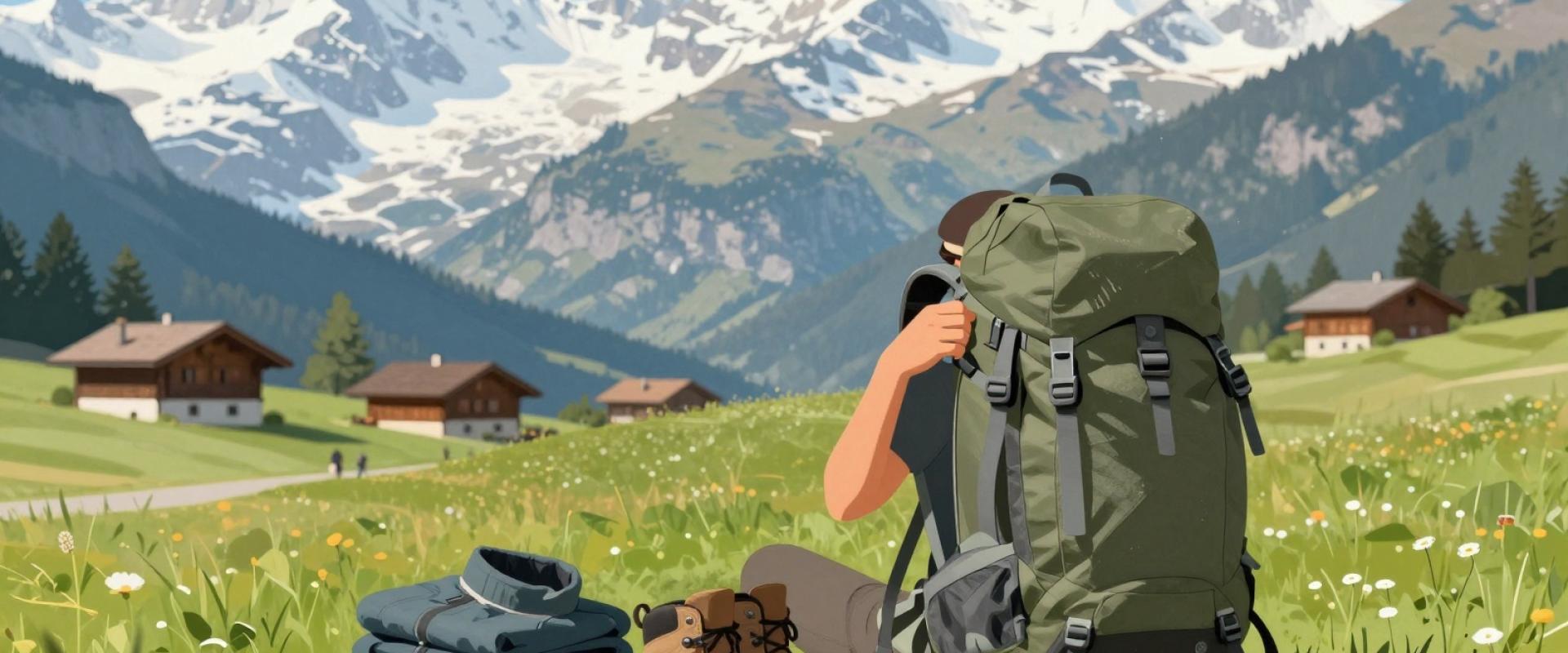
Switzerland’s extreme altitude variations demand a distinct packing strategy. Elevations reach up to 3,400 meters. Temperatures drop 6.5°C per 1,000 meters of elevation gain. This creates a vertical climate variation that defies seasonal norms. You may experience four seasons in a single day. Temperature differences can reach 15°C within one day. Generic seasonal packing fails in this environment. Layering becomes a safety necessity, not just comfort. You must adopt a base, mid, and outer layer strategy. This approach manages rapid weather shifts effectively. Microclimates are common across the Swiss landscape. Waterproof jackets are essential regardless of the season. Sturdy hiking boots are required for steep terrain. These items prevent costly last-minute replacements. Sunscreen is critical due to intense UV exposure. High altitudes increase radiation risks significantly. Plan your packing a week in advance. This ensures footwear breaks in properly before arrival. Type J plug adaptators are also necessary. They fit Swiss electrical outlets specifically. Prioritize versatile layers for maximum adaptability. Comfortable shoes handle varied ground conditions. Warm essentials protect against sudden cold snaps. Stylish outfits work for evening dining. Every item serves a specific functional purpose. Avoid heavy, single-purpose garments. They add unnecessary weight and bulk. Focus on materials that regulate body temperature. Wool and synthetic blends perform best. Cotton retains moisture and causes chilling. Pack light but pack smart. Your gear must withstand alpine conditions. Preparation prevents discomfort during your Swiss adventure.
Footwear for Alpine Terrain
Switzerland’s terrain demands specialized footwear for both urban and alpine environments. Cobblestone streets in cities like Zurich require sturdy soles. These surfaces are uneven and slippery when wet. Conversely, alpine trails present rugged, steep challenges. Hikers need boots with aggressive tread patterns. This grip prevents slipping on loose gravel or mud. Waterproofing is essential due to frequent mountain rain. Moisture leads to cold feet and blisters. Travelers must break in boots before arrival. The research advises planning this process a week in advance. Properly broken-in footwear prevents painful blisters during long hikes. Switzerland’s altitude variations cause rapid weather changes. Temperatures can drop significantly within a single day. Footwear must support these shifting conditions. Many Swiss huts and restaurants require shoe removal. Slip-on shoes or easy lacing systems are practical. This respects local customs and maintains hygiene. Sturdy hiking boots are non-negotiable for high-altitude trails. They provide ankle support on steep descents. Type J plug adaptators are needed for electronics, not shoes. However, dry feet are equally important for comfort. Pack moisture-wicking socks to complement your boots. This combination manages sweat and reduces friction. Avoid heavy cotton socks that retain moisture. Synthetic or wool blends dry faster. The cost of replacing worn footwear in Switzerland is high. Pack durable gear to avoid last-minute purchases. This strategy ensures safety and comfort throughout the trip. Prioritize function over fashion for alpine excursions. Urban areas allow for slightly more stylish options. However, comfort remains the primary concern for walking. Swiss infrastructure supports well-maintained trails. Proper footwear maximizes enjoyment of these paths. Always check trail conditions before departure. Weather forecasts dictate the need for extra protection. Prepare for both rain and snow scenarios. This thorough approach ensures a successful Swiss adventure.
The Layering System Strategy
Switzerland’s weather shifts rapidly across altitudes. Temperatures can vary by 15°C within a single day. This volatility requires a precise three-layer packing system. The base layer manages moisture against the skin. Avoid cotton entirely. Cotton retains water and causes dangerous hypothermia in alpine conditions. Choose merino wool or synthetic fabrics instead. These materials wick sweat and dry quickly. The mid layer provides essential thermal insulation. Pack a lightweight down or synthetic jacket. This layer traps body heat during cold stops. The outer layer shields against wind and rain. A waterproof, breathable shell is non-negotiable for Swiss hikes. Packable insulation saves significant luggage weight. This allows easy adjustment as you ascend. Elevations up to 3,400 meters demand this flexibility. Steep terrain increases physical exertion and heat. You must shed layers to prevent sweating. Wet clothing accelerates heat loss in high altitudes. Sunscreen is also critical due to intense UV exposure. Pack small quantities of versatile items. This strategy avoids costly last-minute replacements in Swiss towns. Prioritize technical fabrics over casual cotton garments. This approach ensures safety and comfort throughout your journey.
Essential Tech and Adapters
Switzerland uses the Type J plug standard. This configuration features three round pins. Most international devices require a specific adapter. Pack a universal adapter with Type J compatibility to ensure functionality. Power banks are critical for remote alpine regions. Cellular service becomes unreliable above 1,500 meters. Hikers often spend days without signal coverage. A high-capacity power bank ensures navigation tools remain charged. Offline maps are essential for safety. Download detailed topographic maps before arrival. Swiss topography changes rapidly with altitude. Spotty data prevents real-time GPS updates. Headlamps are mandatory for early starts. Many mountain huts operate on strict schedules. Early departures often occur before sunrise. A reliable headlamp provides necessary visibility. Choose models with red light modes. These preserve night vision during transit. Digital preparedness extends beyond power. Store digital copies of train tickets. Swiss Railways (SBB) apps require battery life. Keep devices charged during long transit days. Verify adapter compatibility before departure. Type J plugs are non-negotiable for electronics. Failure to pack adapters causes inconvenience. Prioritize lightweight, high-efficiency charging solutions. This approach balances weight with necessity. Ensure all tech gear is durable. Alpine conditions can be harsh on electronics. Protect devices from moisture and cold. This strategy ensures continuous connectivity and safety throughout the journey.
Sun Protection and Health Essentials
High-altitude UV exposure in Switzerland requires rigorous protection. Intense radiation increases significantly above 2,000 meters. Pack high-SPF sunscreen to prevent severe sunburn. Apply it generously to all exposed skin. UV intensity doubles with every 1,000 meters of elevation. Snow glare amplifies this exposure on alpine trails. Polarized sunglasses are essential for visual comfort. They reduce glare from snow and ice effectively. Protect your lips with specialized UV lip balm. Chapped lips are a common risk in thin air. Reapply lip balm frequently throughout the day. Hydration is critical for altitude acclimatization. Tap water in Switzerland is safe and pure. Carry a reusable water bottle to stay hydrated. Refill bottles at public fountains or mountain huts. This reduces plastic waste and saves money. Pack blister plasters for long hiking excursions. Steep terrain increases friction on feet and hands. Pre-treat hot spots to prevent painful blisters. Include personal medication in your travel kit. Swiss pharmacies are accessible but may close early. Carry a basic first-aid kit in your day pack. Include adhesive bandages and antiseptic wipes. These items address minor injuries immediately. Do not rely on finding replacements in remote areas. Ensure all health essentials are packed securely. This preparation ensures safety during alpine activities. Prioritize health to fully enjoy the Swiss landscape. Proper preparation prevents medical issues during your trip. Stay protected to maintain energy levels all day.