The Alpine Layering Strategy
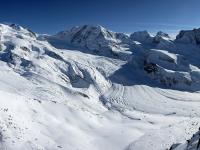
Switzerland’s alpine climate demands precise layering. Weather changes rapidly in the mountains. A three-layer system is essential for safety. Start with a moisture-wicking base layer. This keeps sweat away from your skin. Avoid cotton completely. Cotton retains moisture and causes hypothermia. Choose synthetic materials or merino wool instead. Add a warm mid-layer for insulation. Fleece or down jackets provide necessary warmth. The outer layer must block wind and rain. A waterproof, breathable shell is critical. Swiss weather shifts quickly in alpine zones. You must adapt to these rapid changes. Pack versatile items that serve multiple functions. This reduces the total weight of your luggage. Bulky items are best worn during travel. Wear heavy boots to save suitcase space. This strategy ensures comfort in variable conditions. It is the standard for Swiss alpine travel. Proper layering prevents overheating and chilling. It is the key to safe exploration. Always check local forecasts before hiking. Conditions can change within minutes in the Alps. Prepare for all four seasons in advance. This approach ensures safety and comfort throughout your trip. It is the standard for Swiss alpine travel.
Footwear for Alpine Terrain
Swiss terrain requires specific footwear. Urban walking shoes suffice in cities. They lack grip for alpine trails. Hiking boots are essential for mountains. They provide necessary ankle support. The terrain is rugged and steep. You must choose sturdy soles. Grip is critical on loose stone. Swiss paths are often rocky. Wear boots with deep treads. This ensures stability on slopes. You can wear bulky boots. Travel with them on the plane. This saves space in your luggage. Swiss trains have limited storage space. Bulky items fill carry-on bags quickly. Pack light to manage weight. Swiss transport is efficient but tight. Space is limited in overhead bins. Wear heavy socks on the plane. This reduces bulk in your bag. Swiss Alpine terrain is demanding. Proper footwear prevents injury. Choose boots with ankle support. This protects against uneven ground. Swiss trails are not paved. They require sturdy, grippy soles. Pack versatile shoes for versatility. You can wear them in cities. They are suitable for alpine terrain. This dual-purpose approach is practical. It saves space in your luggage. Swiss travel requires practical preparation. Footwear is a key component. Choose wisely for safety and comfort. Swiss alpine terrain is challenging. Your footwear must match the terrain. Swiss Alpine terrain is rugged. Your boots must be sturdy. Swiss travel requires practical gear. Your footwear is essential for safety. Swiss alpine terrain is demanding. Your boots must be versatile. Swiss travel requires careful packing. Your footwear is a critical item. Swiss alpine terrain is rugged. Your boots must be sturdy. Swiss travel requires practical gear. Your footwear is essential for safety. Swiss alpine terrain is demanding. Your boots must be versatile. Swiss travel requires careful packing. Your footwear is a critical item. Swiss alpine terrain is rugged. Your boots must be sturdy. Swiss travel requires practical gear. Your footwear is essential for safety. Swiss alpine terrain is demanding. Your boots must be versatile. Swiss travel requires careful packing. Your footwear is a critical item.
Swiss public transport is efficient but compact. Trains and buses have limited storage. Large suitcases are impractical for frequent transfers. A carry-on suitcase is the optimal choice. It fits easily in overhead bins and storage racks. This ensures ease of movement between stations. Packing cubes are essential for organization. They compress clothing to save space. This allows more items in a small bag. Wear bulky shoes during travel to save space. This keeps the suitcase light and manageable. Layering clothes is also effective for space management. The Swiss travel system rewards compact, portable luggage. Heavy bags are difficult to manage on steep stairs. Light, organized luggage ensures a smooth transit experience. Prioritize lightweight, compact items for seamless travel.
Adapting to Seasonal Variations
Switzerland’s alpine climate demands precise layering. Winter requires insulated gear for freezing temperatures. Summer requires light, breathable clothing. The alpine environment changes rapidly. Weather shifts can occur instantly. A waterproof jacket is essential year-round. It protects against sudden rain or snow. Layering is critical for temperature regulation. Start with a moisture-wicking base layer. Add an insulating mid-layer for warmth. Use a windproof outer shell for protection. This system adapts to variable conditions. Swiss terrain is rugged and steep. Sturdy footwear is mandatory for safety. Hiking boots provide necessary ankle support. Urban areas allow for lighter shoes. Always check local weather forecasts. Alpine weather is highly unpredictable. Prepare for cold even in summer. Pack layers to adjust to changes. This strategy ensures comfort and safety. It is the standard for alpine travel. Adaptability is key to a safe trip. Always carry extra warm layers. Rain protection is essential in all seasons. The alpine climate is unforgiving. Proper preparation prevents hypothermia and discomfort. Always prioritize functional, weather-appropriate clothing.
Essential Documents and Accessories
Before embarking on your Swiss adventure, ensure your travel documents are in perfect order. A valid passport is mandatory for entry, and depending on your nationality, you may also need a valid visa. It is crucial to verify these requirements well in advance to avoid any travel disruptions. Beyond paperwork, practical accessories are key to a comfortable journey. We highly recommend packing a portable charger, as you will likely rely heavily on your smartphone for navigation, translations, and capturing memories throughout your trip. Additionally, a universal travel adapter is essential, as Switzerland uses the standard European Type J plug. Finally, consider packing a reusable water bottle. Switzerland is renowned for its exceptional tap water quality, which is safe to drink and widely available from public fountains. This eco-friendly choice not only saves money but also reduces plastic waste, allowing you to stay hydrated while exploring the stunning alpine landscapes responsibly.