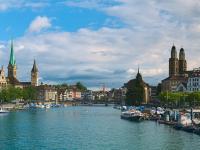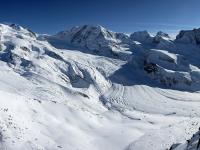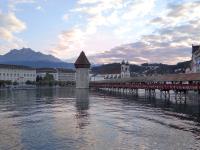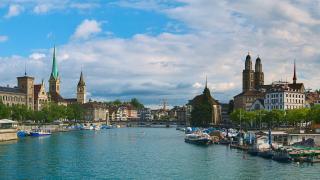
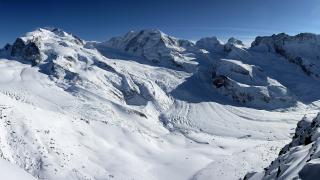

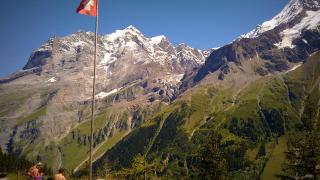
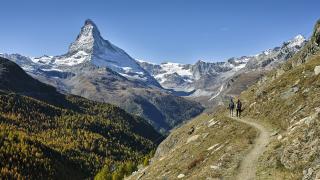
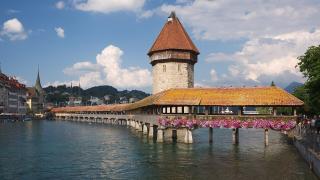

Switzerland’s alpine climate demands precise layering. Avoid cotton entirely. It retains moisture and causes rapid heat loss in humid mountain air. Use moisture-wicking synthetic materials or merino wool for base layers. Implement a strict three-layer system. The base layer manages sweat. The mid-layer, such as a fleece or wool pullover, provides insulation. The outer shell must be waterproof and windproof. Swiss weather shifts rapidly between valleys and peaks. A sunny morning in Lucerne can turn into a storm in the Jungfrau region. Pack a hooded jacket with a small bill for rain protection. Smartwool liners offer essential water resistance for hands. Carry a long-sleeve dri-fit pullover for variable temperatures. This system adapts to microclimate changes effectively. You will stay dry and warm during transit. Train travel between regions exposes you to these shifts. Versatile clothing is critical for carry-on only strategies. Pack light to navigate the extensive Swiss rail network efficiently. This approach ensures comfort across diverse terrains.
Footwear and Terrain Gear
Switzerland’s terrain varies from cobblestone streets to rugged alpine trails. Urban walking requires sturdy, comfortable shoes for historic towns like Bern. These surfaces are uneven and often slippery. For mountain hikes, specialized hiking boots are essential. Ankle support prevents injuries on steep, rocky paths. Look for boots with deep tread for grip. Swiss trails can be wet or muddy. Moisture-wicking socks are critical to prevent blisters. Merino wool or synthetic blends work best. Avoid cotton socks, which retain sweat. Break in all footwear before arrival. New shoes cause painful blisters during long walks. Pack versatile shoes to save luggage space. A carry-on strategy suits Switzerland’s train network. You can switch from city shoes to hiking boots easily. Ensure boots are waterproof for sudden alpine weather. Layering applies to feet as well. Bring extra socks for multi-day treks. Check trail conditions online before departure. Some paths require crampons in winter. Summer hikes need breathable, lightweight boots. Urban areas do not require heavy gear. Balance comfort with durability for long days. Proper footwear ensures safety and enjoyment.
Essential Accessories and Tech
Switzerland’s high altitude intensifies UV radiation significantly. Standard sunscreen often proves insufficient for alpine exposure. Pack high-SPF protection specifically rated for mountain conditions. This prevents severe sunburn during extended outdoor activities.
Switzerland utilizes unique Type J electrical outlets. These feature three round pins in a triangular pattern. Standard European adapters will not fit these sockets. Bring a dedicated Type J converter for charging devices. This ensures compatibility with local hotel and train infrastructure.
Public transport networks operate on strict schedules. Train connections rarely wait for delayed passengers. Carry a portable power bank to maintain device charge. This allows continuous navigation via Swiss travel apps. Reliable GPS is essential for remote alpine trails.
Optional binoculars enhance the viewing experience significantly. They provide clarity for distant mountain peaks and wildlife. Compact models fit easily into daypacks without adding bulk. This accessory is particularly useful for scenic train journeys. It allows detailed observation of distant alpine landscapes without straining eyes.
Luggage Strategy and Logistics
Switzerland’s extensive train network favors a light carry-on-only strategy. Heavy checked bags complicate transfers between stations and mountain villages. Prioritize lightweight, compact luggage to navigate cobblestone streets and steep stairs efficiently. A 40-liter backpack is often sufficient for most itineraries. This size fits standard overhead bins and avoids excess baggage fees. Roll clothes to save space and reduce wrinkles in tight compartments. Use foldable day bags for daily excursions into the Alps. These bags pack away neatly when not in use. Versatile clothing options are essential for destinations ranging from alpine lakes to medieval towns. Layering systems replace bulky outerwear, further reducing luggage volume. Avoid cotton entirely, as it retains moisture in humid mountain air. Choose moisture-wicking synthetic materials or merino wool for comfort. Pack high-SPF sunscreen specifically rated for intense alpine UV radiation. Standard protection often proves insufficient at high altitudes. Bring glove liners, specifically 100% Smartwool, for water resistance. A waterproof jacket with a hood featuring a small bill is critical. Long-sleeve dri-fit pullover layers provide necessary warmth without bulk. Small binoculars are optional but useful for scenic train rides. Ensure all items fit within strict carry-on dimensions. This approach simplifies logistics and enhances mobility throughout the country.
Final Packing Checklist
Review your packing list before departure. Switzerland’s train network favors carry-on-only luggage. Heavy bags complicate station transfers. Prioritize lightweight, compact luggage for flexibility. Ensure all travel documents are in order. Passports and visas must be valid. Include essential layers for alpine weather. Use moisture-wicking synthetic materials or merino wool. Avoid cotton entirely in humid mountain air. Pack sturdy footwear for varied terrain. Cobblestone streets in Bern require comfortable shoes. Rugged alpine trails need durable hiking boots. Bring high-SPF sunscreen for intense UV radiation. Standard protection is often insufficient at altitude. Include glove liners for cold conditions. Smartwool liners offer necessary water resistance. A waterproof jacket with a hood is essential. Choose one with a small bill. Pack a long-sleeve dri-fit pullover layer. Small binoculars are optional but useful. Verify luggage weight limits before flying. Aim for a 40-liter pack size. This ensures ease during mountain transfers. Pack light to maintain mobility. Versatile clothing suits diverse summer itineraries. Check items against this final list. Ensure nothing critical is forgotten. Travel smoothly with prepared gear.