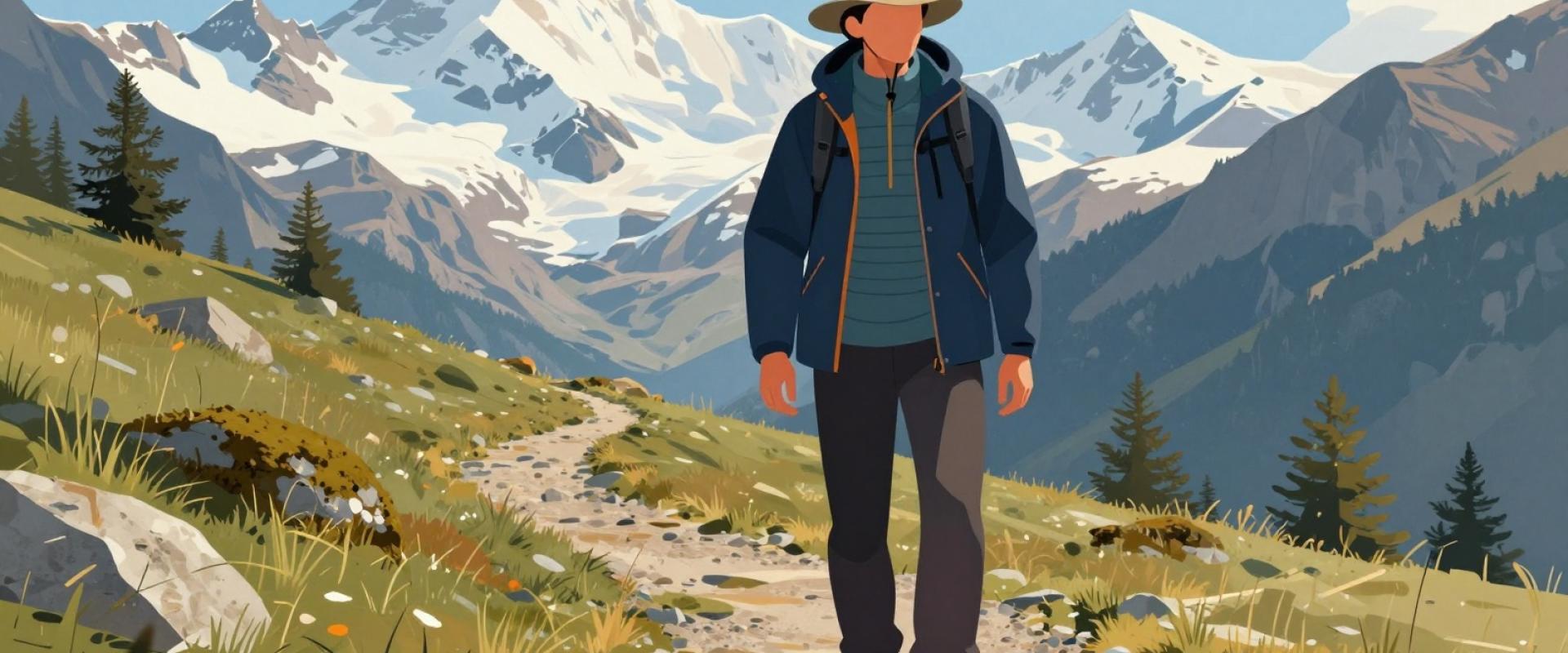
Swiss alpine weather shifts rapidly. Temperatures drop significantly at altitude. You must prepare for sudden changes. Avoid single heavy layers. They trap heat and limit mobility. Use modular layering instead. This allows precise temperature control. Pack a moisture-wicking base layer. Add an insulating mid-layer for warmth. A waterproof and windproof outer shell is essential. Rain and wind occur frequently in the Alps. This gear protects against harsh conditions. Bring knit hats and gloves. These accessories manage variable weather effectively. Comfort is key for sightseeing. Choose easy-to-wash clothing for versatility. This suits train travel and town walking. Heavy gear is unnecessary for casual tours. Prioritize items you can rewear. This strategy works for autumn trips. It ensures comfort during excursions. Adjust layers as conditions change. High peaks remain cool and windy. Proper packing prevents discomfort. Focus on practicality over style. This approach suits Swiss travel needs.
Footwear for Varied Terrain
Swiss terrain demands specific footwear strategies. Urban sightseeing requires comfortable, smart-casual shoes. These suit train travel and town walking. Hotels and restaurants expect neat attire. Avoid heavy hiking boots in cities. They appear out of place. Alpine hiking needs sturdy, grippy soles. Mountain trails are often rocky or muddy. Standard sneakers lack necessary traction. You risk slipping on wet stone. Prioritize ankle support for steep paths. The Alps present significant elevation changes. Pack versatile layers for temperature shifts. High peaks remain cool and windy. Bring knit hats and gloves. These manage variable weather conditions. Separate specialized hiking lists for trekkers. General tours do not require technical gear. Focus on comfort and versatility. Easy-to-wash clothing pairs well with shoes. Individual experience should guide final decisions. Layering allows adjustment for activity levels. This approach minimizes luggage weight. Ensure all footwear is broken in. New shoes cause blisters on long walks. Swiss infrastructure supports both casual and rugged activities. Choose wisely based on your itinerary.
Layering for Alpine Variability
Swiss alpine conditions require a precise three-layer system. Base layers must wick moisture away from skin. Choose synthetic fabrics or merino wool for humidity control. Mid layers provide insulation against sudden temperature drops. Fleece jackets or light down vests work effectively. Outer layers shield against wind and rain. Waterproof membranes are essential for unpredictable mountain weather. Avoid bulky clothing that restricts movement on trains. Lightweight options allow easy adjustment during sightseeing tours. Pack versatile items suitable for town walking and hiking. Knit hats and gloves manage cold peaks effectively. Reuse layers across different activities to save space. This strategy suits both daytime exploration and evening dining. Hotels expect neat attire for restaurants. Adjust layers quickly as altitude changes rapidly. Modular packing ensures comfort during Swiss excursions. Prioritize comfort over heavy, specialized gear for general tours. This approach balances practicality with alpine variability.
Essential Accessories and Gear
Swiss sun intensity increases significantly at altitude. Pack high-SPF sunscreen to prevent burns. UV rays reflect off snow and glaciers. Sunglasses with UV protection are mandatory. They reduce glare during alpine excursions. Switzerland offers exceptional tap water quality. It is safe, clean, and free. Carry a reusable water bottle. Refill it at public fountains. This reduces plastic waste and saves money. A compact, waterproof backpack is essential. It protects gear from sudden alpine rain. Choose a size under 20 liters. It fits easily on Swiss trains. A portable charger ensures device functionality. Power outlets vary across different regions. Bring a universal adapter for safety. Swiss voltage is 230V. Check your device compatibility before travel. These items enhance practicality and safety. They address specific Swiss environmental conditions. Prioritize lightweight, durable materials for all gear. This approach supports efficient alpine travel.
Practical Packing Checklist
Pack versatile clothing for layering. Reuse items across activities. Choose easy-to-wash fabrics for town walking. Prioritize comfort over heavy gear. High peaks remain cool and windy. Pack knit hats and gloves. Manage variable weather conditions effectively. Bring smart-casual shoes for evenings. Hotels expect neat attire. Avoid single heavy layers. Use modular systems instead. Pack high-SPF sunscreen for altitude. UV rays reflect off snow. Sunglasses with UV protection are mandatory. Reduce glare on glaciers. Include important travel documents. Secure passports and visas. Pack specialized gear for hiking. Use separate lists for trekkers. Bring small comforts for trains. Enhance your travel experience. Personal preference guides final decisions. Focus on practicality and versatility. Switzerland demands precise preparation. Organize items efficiently. Check weather forecasts before departure. Adjust layers for altitude changes. Ensure footwear suits varied terrain. Pack light for train travel. Swiss trains require easy mobility. Keep essentials in carry-on. Avoid checked luggage delays. Verify hotel laundry options. Reuse clothing to save space. Pack multi-purpose accessories. Swiss towns favor smart-casual styles. Restaurants require neat appearance. Prepare for rapid weather shifts. Alpine conditions change quickly. Stay dry and warm. Use moisture-wicking base layers. Merino wool works best. Synthetic fabrics also function well. Pack a compact rain jacket. Swiss rain is frequent. Stay prepared for all seasons. Verify specific tour requirements. Alpenwild suggests separate hiking lists. Follow specialized advice for treks. Haute Route needs extra gear. General sightseeing requires less. Pack according to activity level. Switzerland offers diverse experiences. Prepare accordingly for each. Keep documents accessible. Store copies separately. Pack chargers and adapters. Swiss outlets use Type J. Bring compatible plugs. Ensure electronic devices work. Pack a reusable water bottle. Swiss tap water is safe. Save money and reduce waste. Fill bottles at fountains. Pack snacks for trains. Swiss trains offer food. Snacks provide quick energy. Stay hydrated during travel. Pack a small first-aid kit. Include blister plasters. Swiss terrain causes foot strain. Prepare for minor injuries. Pack a power bank. Train rides drain batteries. Stay connected for navigation. Use offline maps. Swiss trails are well-marked. Download maps before departure. Pack a daypack for excursions. Carry water and layers. Keep hands free for photos. Switzerland rewards prepared travelers. Pack smart and travel light.