Why the Jungfrau Region Works for Snowshoeing
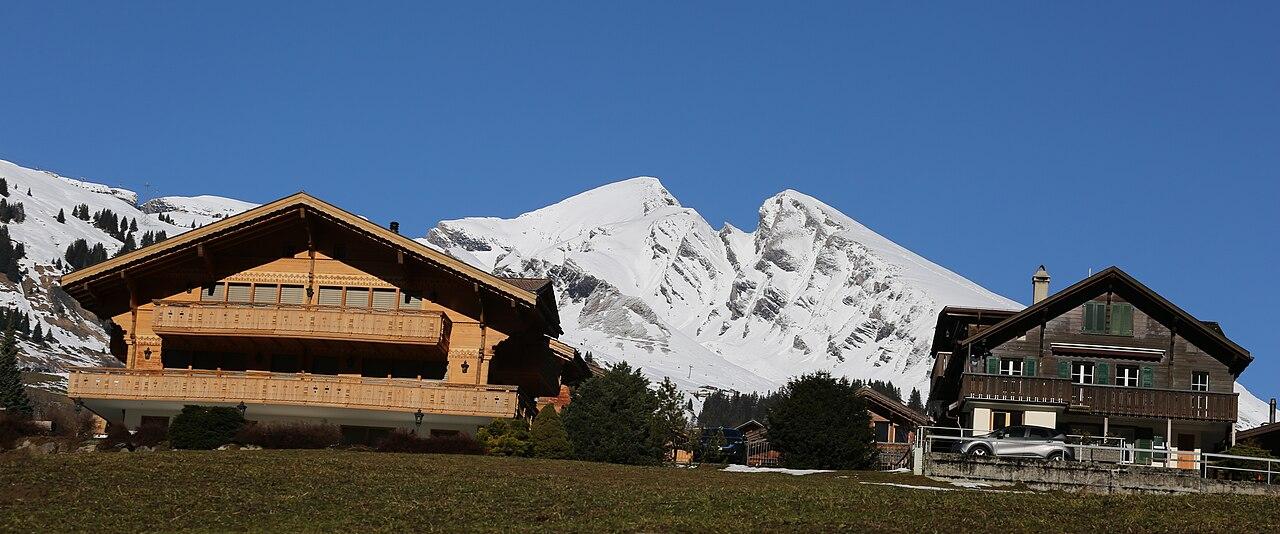
The Jungfrau Region, around Grindelwald, Wengen, Mürren and Lauterbrunnen in the Bernese Oberland, has more than 100 km of prepared winter hiking trails alongside its ski areas. Several of these are dedicated snowshoe routes, marked and checked during the season. Mountain railways and cable cars take you straight up to the starting points, so you can spend your energy on the walk itself, with views of the Eiger, Mönch and Jungfrau along the way.
Marked Snowshoe Trails
Two official snowshoe trails are good introductions:
- Holenstein to Brandegg (Grindelwald): about 2 hours 15 minutes, descending from 1,624 m to 1,288 m. The trail runs through quiet forest and open slopes in front of the Eiger North Face, away from the ski pistes. Holenstein is reached by the gondola from Grindelwald towards Männlichen, and Brandegg is a station on the railway between Grindelwald and Kleine Scheidegg, so you can return by train.
- Mürren to Allmiboden and back: about 2 hours, between 1,843 m and 1,630 m, through snow-covered forest with views of the north faces of the Bernese Alps. Mürren is car-free and reached from Lauterbrunnen via Grütschalp, or from Stechelberg by cable car.
Swiss snowshoe trails are marked with pink signs and poles. Stay on the marked route: trails are checked and closed when snow or avalanche conditions make them unsafe.
Winter Walks Without Snowshoes
If you prefer to walk in normal winter boots, the region also has prepared winter hiking paths:
- First–Waldspitz–Bort: about 3 hours, descending from 2,275 m to 1,530 m on a sunny route above Grindelwald.
- Männlichen to Kleine Scheidegg: about 2 hours 45 minutes on a high, open path with a classic view of the Eiger, Mönch and Jungfrau.
- Faulhorn: about 4 hours from First up to a summit at 2,678 m, the most demanding of the routes, with a long climb in snow.
- Royal Walk at Männlichen: a short walk of about 40 minutes to a viewing platform on the summit.
- Liechtliweg: an illuminated evening winter walk in the Winteregg–Mürren area.
Times come from the Jungfrau Region's official winter hiking information. Your own times will vary with snow conditions and fitness.
For a first day on snowshoes, a descending route such as Holenstein to Brandegg is the gentlest choice, because most of the effort goes into finding a rhythm rather than climbing. Snowshoeing uphill in fresh snow is far more tiring than summer hiking over the same distance, so plan shorter days than you would in summer and build in time for breaks and photographs.
Passes and Getting Around
The Jungfrau Region sells a Winter Hiking and Sledging Pass for one to seven days, covering the lifts that serve winter walking and sledging routes. For the 2026–27 season it is priced from CHF 61 and valid from 21 November 2026 to 25 April 2027. Check whether it covers the lifts you need for snowshoe starting points before buying. The Swiss Travel Pass and Half Fare Card give discounts on many of the region's mountain railways but generally not free travel.
Gear
- Snowshoes and poles: sports shops in Grindelwald, Wengen and Mürren rent them, and staff can adjust bindings to your boots.
- Boots: waterproof, insulated hiking boots with good ankle support.
- Layers: a warm base layer, insulating mid-layer and windproof shell. You will warm up quickly climbing and cool down fast when you stop.
- Sun protection: sunglasses and sunscreen, since snow reflects strong sunlight at altitude.
- Water and snacks: not every trail passes a restaurant, and those that do may close early in the afternoon.
Safety
- Check the trail status before you go. The Jungfrau Region publishes a live overview of open winter hiking and snowshoe trails.
- Check the avalanche bulletin from the Swiss Institute for Snow and Avalanche Research (SLF), available on its website and in the White Risk and MeteoSwiss apps.
- Leaving the marked trails means entering uncontrolled avalanche terrain. Off-trail snowshoeing requires avalanche safety equipment and training, or a certified mountain guide.
- Start early. Winter days are short, and shaded slopes become cold quickly in the afternoon.
- Tell someone your route and expected return time.
Guided Tours
Local mountain guides and ski schools offer guided snowshoe tours, including evening and full-moon outings in some seasons. A guide is the safest way to go beyond the marked trails, and many tours include snowshoe rental. Book through the local tourist offices in Grindelwald, Wengen or Mürren, or directly with guide offices, especially during holiday weeks.