- Admission
- 10 CHF adults, 7 CHF students
- Hours
- Tuesday through Friday and Sunday 13:00-17:00; closed Mondays and Saturdays
- Where
- Brugg, Aargau
- Directions
- Directions
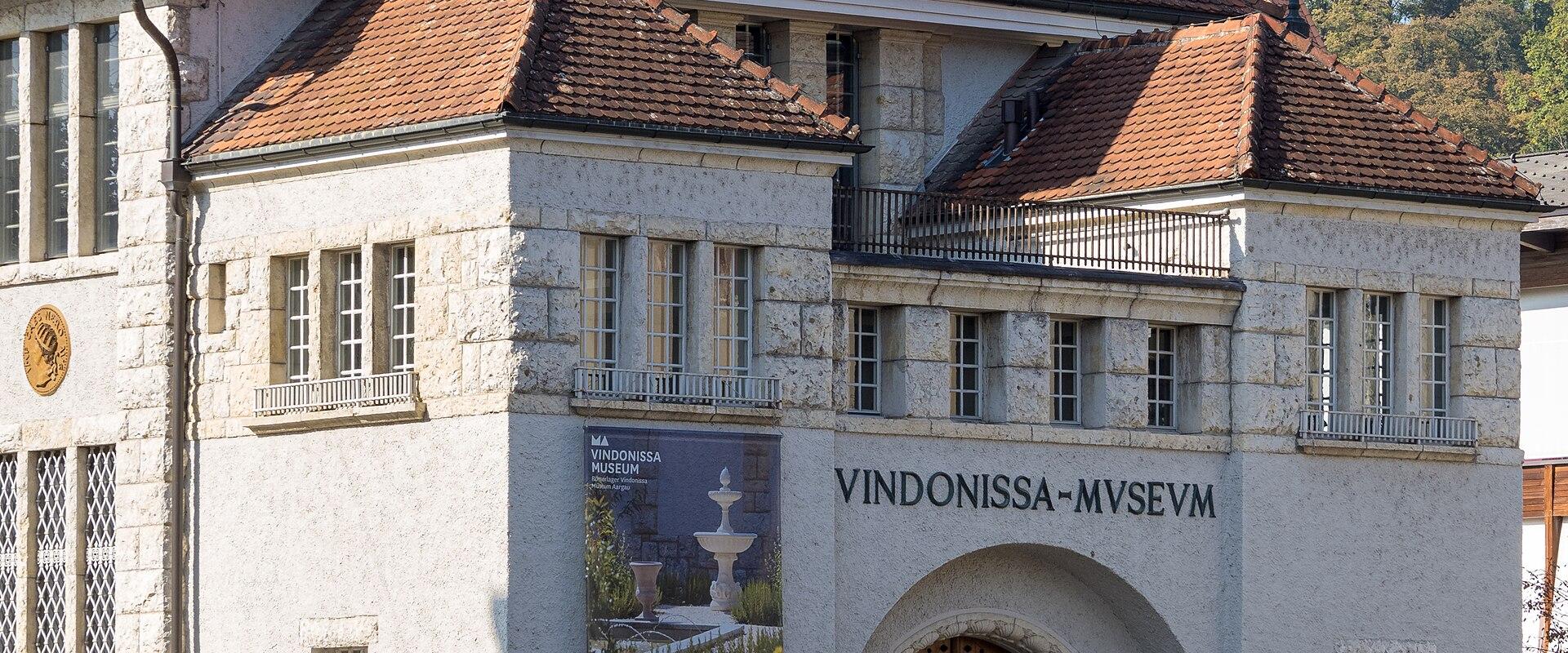
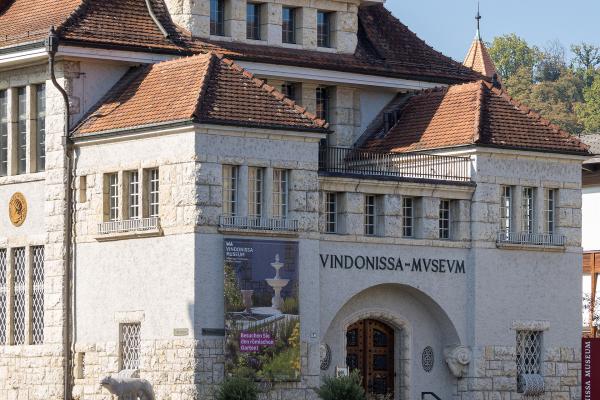
Vindonissa was a Roman legionary camp on a plateau above the Aare, in the area now covered by the municipality of Windisch and the town of Brugg in the canton of Aargau, and it is one of the most important Roman military sites in Switzerland. The camp was founded in the early first century AD, and it housed several legions in turn over the next hundred years or so, as a base for the defence of the Rhine frontier and the advance into the lands beyond. Thousands of soldiers lived here, along with the craftsmen, traders and families who clustered around the camp. The Vindonissa Museum in Brugg presents the finds from the camp and its surroundings, and it is the best place to get a sense of what life was like for an ordinary Roman soldier on the northern frontier.
The museum building stands within the area of the old camp, and its displays are organised around everyday objects. Visitors see weapons, tools, pottery, glass, coins, jewellery and the remains of clothing and shoes, many of them found in the camp's rubbish heaps, which were rich in organic material preserved by wet conditions. These finds include wooden writing tablets with messages written in ink and wax, which are among the most important discoveries from the site, since they give direct information about the soldiers' lives, such as orders, letters and lists of supplies. The museum also shows how the camp was laid out, with barracks, a hospital, baths, workshops and a headquarters building, and explains how soldiers were trained, fed and housed.
The exhibition is designed with families in mind. It includes hands-on elements, quizzes and activities for children, and visitors can try on replica equipment or handle certain objects in some areas. There are also films and models to help imagine the camp. Some areas involve stairs, and the museum provides lockers and pushchair access, so it is worth checking facilities if you have special needs. Information is mainly in German, with English available in parts, so it is useful to ask about guides or leaflets.
The museum is only part of the site. In Windisch, a short walk away, the visible remains of the camp include the large amphitheatre, where soldiers trained and watched shows, whose oval shape is still clear in the ground, and a stretch of the Roman water supply channel, as well as a walking trail called the Legionary Trail, which links the main sites with information panels. A little further on is the former monastery of Königsfelden, founded by the Habsburgs at the place where King Albrecht I was murdered in 1308, famous for its medieval stained glass. The combination makes the area a good half-day outing for anyone interested in history.
Brugg is reached by train from Zürich or Basel in less than an hour, and the museum is a short walk or bus ride from the station. Opening days and hours are limited, and admission fees apply, with discounts for families, students and children, so check the website before you go. The museum suits families, history readers and school groups. Allow about an hour and a half for the museum and extra time for the amphitheatre and trail. Wear comfortable shoes for the outdoor sections.
Categories
More photos coming soon
Hours & Fees
- Open
- Tuesday through Friday and Sunday 13:00-17:00; closed Mondays and Saturdays
- Admission
- 10 CHF adults, 7 CHF students
Hours and prices change, especially out of season. Check with the venue before you go.
Nearby Attractions
Other places to visit in Brugg
Questions people ask
Quick Facts
Best Time to Visit
May to September offers mild weather, open trails, and ideal conditions for exploring Brugg’s Roman sites, castles, and riverside landscapes.