- Where
- Brugg, Aargau
- Directions
- Directions
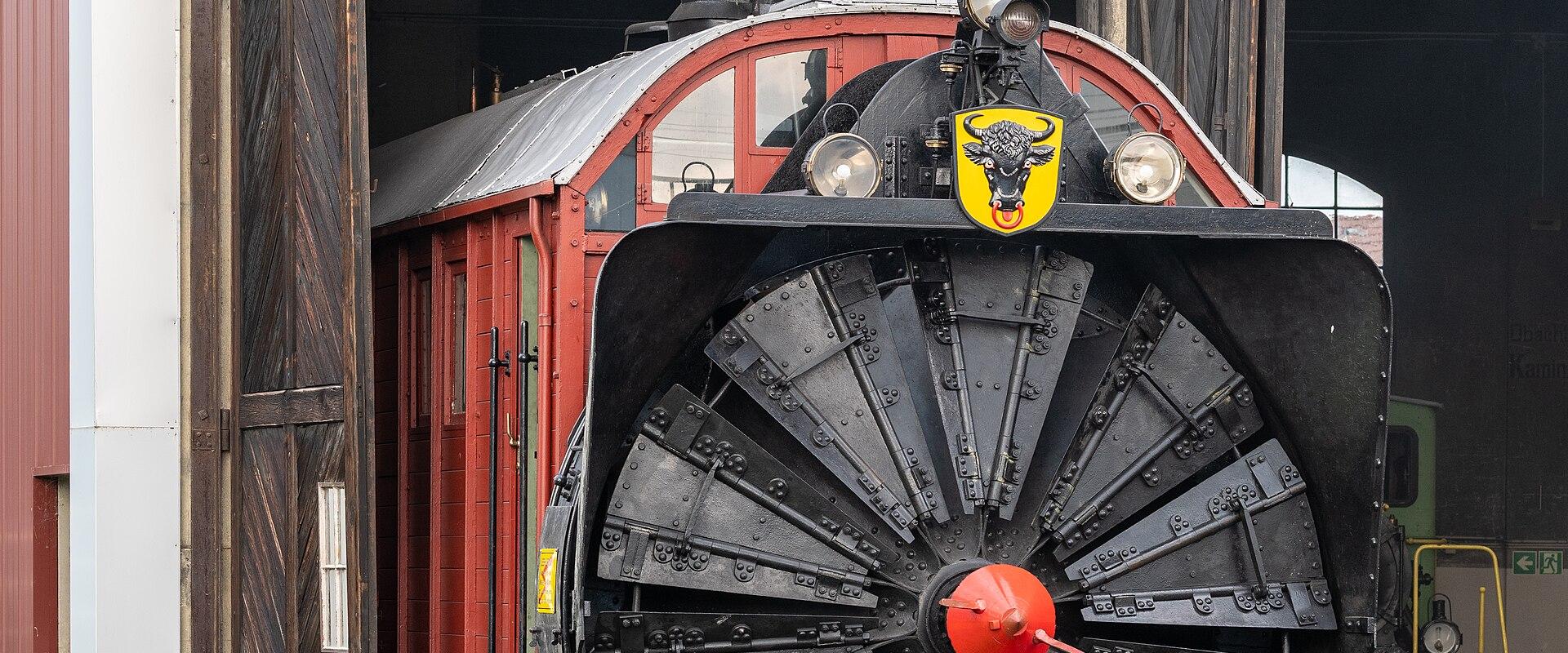
Brugg is a small town in the canton of Aargau, at a narrow crossing of the Aare, and it sits close to the point where three rivers, the Aare, the Reuss and the Limmat, flow together. The meeting of the rivers, near a castle surrounded by water known as the Wasserschloss, has made this a place of travel and trade since Roman times, and in the nineteenth century the railways followed. Brugg became a junction on the lines that linked Zürich, Basel, Bern and Lucerne, and the railway played a large role in the town's growth. The Brugg Railway Park, or Bahnpark Brugg, is a museum site that keeps this history alive, and it is located in an old locomotive depot beside the working tracks.
The history of Swiss railways is a good subject for a museum. The first line in the country, from Zürich to Baden, opened in 1847 and was known as the Spanisch-Brötli-Bahn, after a local bread roll that was carried by the train from Baden to Zürich for the city's breakfast tables, and it was followed by a rapid expansion of the network. Switzerland, with its mountains and rivers, demanded ambitious engineering, and the building of tunnels such as the Gotthard in 1882 became a national achievement. Over time, steam gave way to electric traction, and the Swiss railways became among the most electrified in the world. Locomotive depots like the one in Brugg once housed steam engines and offered workshops for maintenance, and their circular buildings with turntables are a feature of railway architecture.
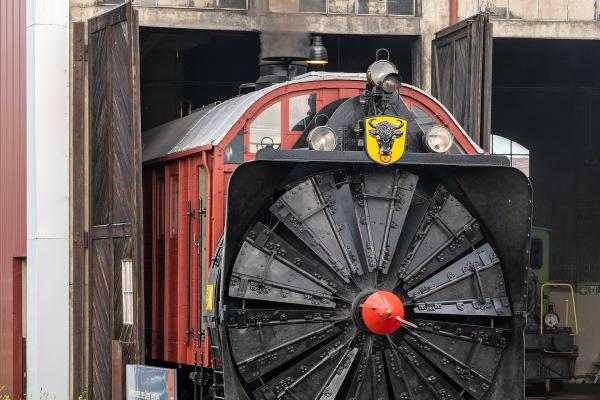
The park's collection is made up of historic locomotives and carriages, some of them steam engines and others early electric types, displayed in the depot and on the tracks outside. Volunteers who care for the machines keep them in running order, and on certain days the engines may be fired up or taken for a run. Visitors can see the details of the machines, from the wheels and pistons to the cabs, and on special days some of the vehicles are open for climbing. Displays and information boards explain the role of the railways in the economy and everyday life, and models and photographs show how the network developed. Because the site is run by an association of enthusiasts, the events and opening times are limited and often tied to specific days, so check the programme beforehand.
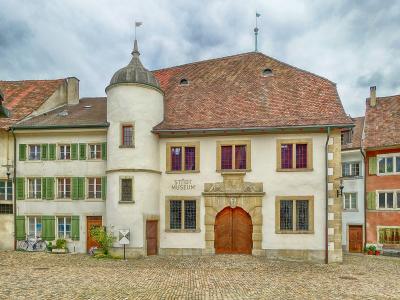
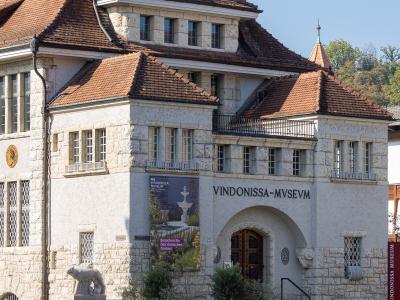
Brugg has other attractions that can be combined with a visit. The Vindonissa Museum, devoted to the Roman legionary camp nearby, and the town museum are within a short walk or ride, and the old town has a medieval gate, narrow lanes and a stone bridge over the Aare. The area is also known for the Königsfelden monastery, with its medieval windows, and for the walk along the river to the Wasserschloss.
The park suits railway fans, families with children and photographers. Allow one to two hours for a visit. Since it is an active railway site, follow safety rules, stay behind barriers and keep an eye on children. The railway station of Brugg is a few minutes away, with direct trains from Zürich and Basel.
Categories
More photos coming soon
Nearby Attractions
Other places to visit in Brugg
Questions people ask
Quick Facts
Best Time to Visit
May to September offers mild weather, open trails, and ideal conditions for exploring Brugg’s Roman sites, castles, and riverside landscapes.