- Admission
- Free entry (0 CHF).
- Hours
- Open only on Sundays from 13:00 to 17:00; closed Monday through Saturday.
- Where
- Brugg, Aargau
- Directions
- Directions
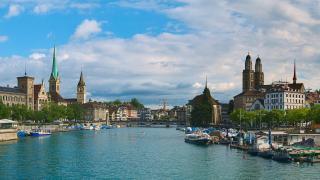
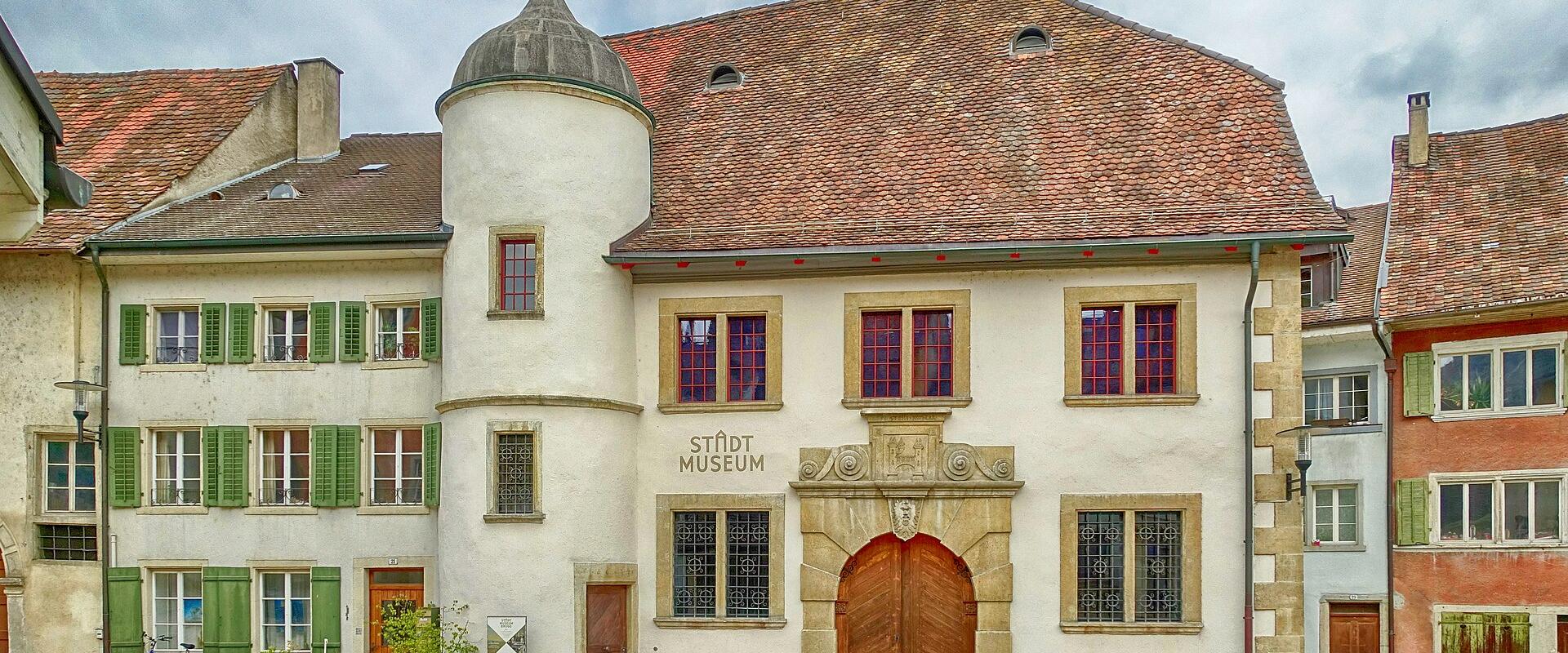
Brugg is a small town in the canton of Aargau, set in a narrow bend of the Aare river close to the point where three rivers, the Aare, the Reuss and the Limmat, flow together. The name means bridge, and the town's history is built around that function. For centuries, the crossing at this point was a key link between the Swiss lowlands and the route north, and the town grew up on the strip of land next to the bridge, with a medieval old town on the bank. The Black Tower, a stout gate tower beside the river, is the best-known landmark, and the narrow lanes with tall houses give the centre a compact, picturesque character. The Stadtmuseum, the town museum, tells the story of this small but historically important place.
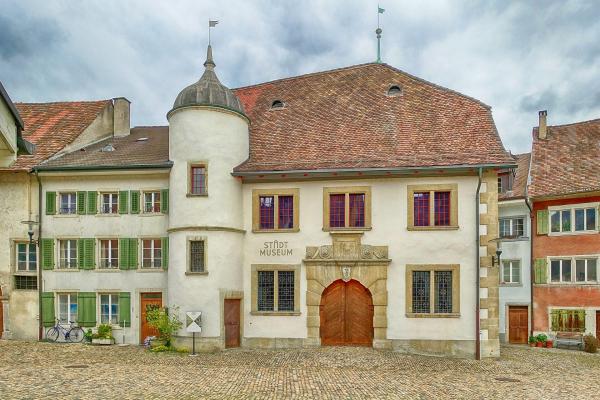
The museum is set in an old building in the town and focuses on local history, with a modest scale that makes it easy to see in a short time. On the ground floor, a timeline sets out the major events in the story of Brugg, from its origins as a settlement beside the river to its development as a market town and its role in the region. The upper floor holds thematic displays with objects from daily life, such as tools, household items and historical clothing, and the collection helps to show how townspeople lived, worked and celebrated over the centuries. Because the building is old, the upper floor is reached by a narrow staircase, which may be difficult for people with limited mobility.
The wider history of Brugg gives context to the collection. The area has been occupied since Roman times, when the legionary camp of Vindonissa lay just upstream, and the Habsburg family had its ancestral castle close by, on the hill above the village of Habsburg, from which it took its name. Brugg was a Habsburg possession in the Middle Ages, and later it came under Bernese rule until the end of the eighteenth century. The famous educator Johann Heinrich Pestalozzi lived at the Neuhof estate in nearby Birr, and he is buried there, so the area has a place in the history of European education. Brugg also has a long tradition of printing and craftsmanship, which the museum touches upon in its displays.
The Stadtmuseum has limited opening times, and in the past it has opened mainly on certain afternoons, often on Sundays, so check the schedule before you go. Admission has been free or very cheap, and guided tours may be arranged on request, which can add a good deal to the visit. Texts are mostly in German. The museum is small, and a visit takes about an hour at most. It suits people with a particular interest in local history, or those who want to understand the town they are visiting.
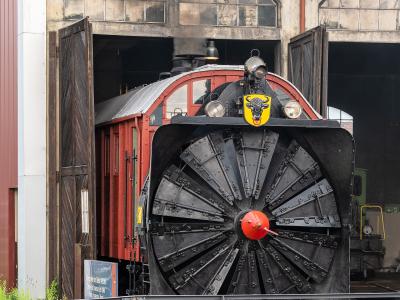
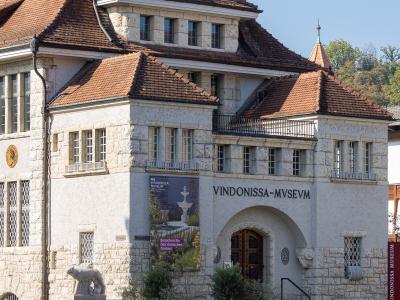
The museum combines easily with other sights in Brugg. The Vindonissa Museum, the Roman amphitheatre at Windisch and the former monastery of Königsfelden, with its medieval stained glass, are all close, and the Brugg Railway Park is a short walk away. The town is reached by train from Zürich or Basel, and the old town is a few minutes' walk from the station.
Categories
More photos coming soon
Hours & Fees
- Open
- Open only on Sundays from 13:00 to 17:00; closed Monday through Saturday.
- Admission
- Free entry (0 CHF).
Hours and prices change, especially out of season. Check with the venue before you go.
Nearby Attractions
Other places to visit in Brugg
Questions people ask
Quick Facts
Best Time to Visit
May to September offers mild weather, open trails, and ideal conditions for exploring Brugg’s Roman sites, castles, and riverside landscapes.