







- Where
- Lugano, Ticino
- Directions
- Directions
Ticinese cooking is the regional cuisine of the Swiss canton of Ticino, in the Italian-speaking south of Switzerland, close to Italy, and in Lugano it is easy to taste. It is a cuisine shaped by the Alpine landscape, the lakes and the climate of the south, with deep Lombard roots and a strong Italian influence, and it tends toward simple, hearty dishes cooked with good local ingredients. The focus here is on what is on the plate and where to find it.
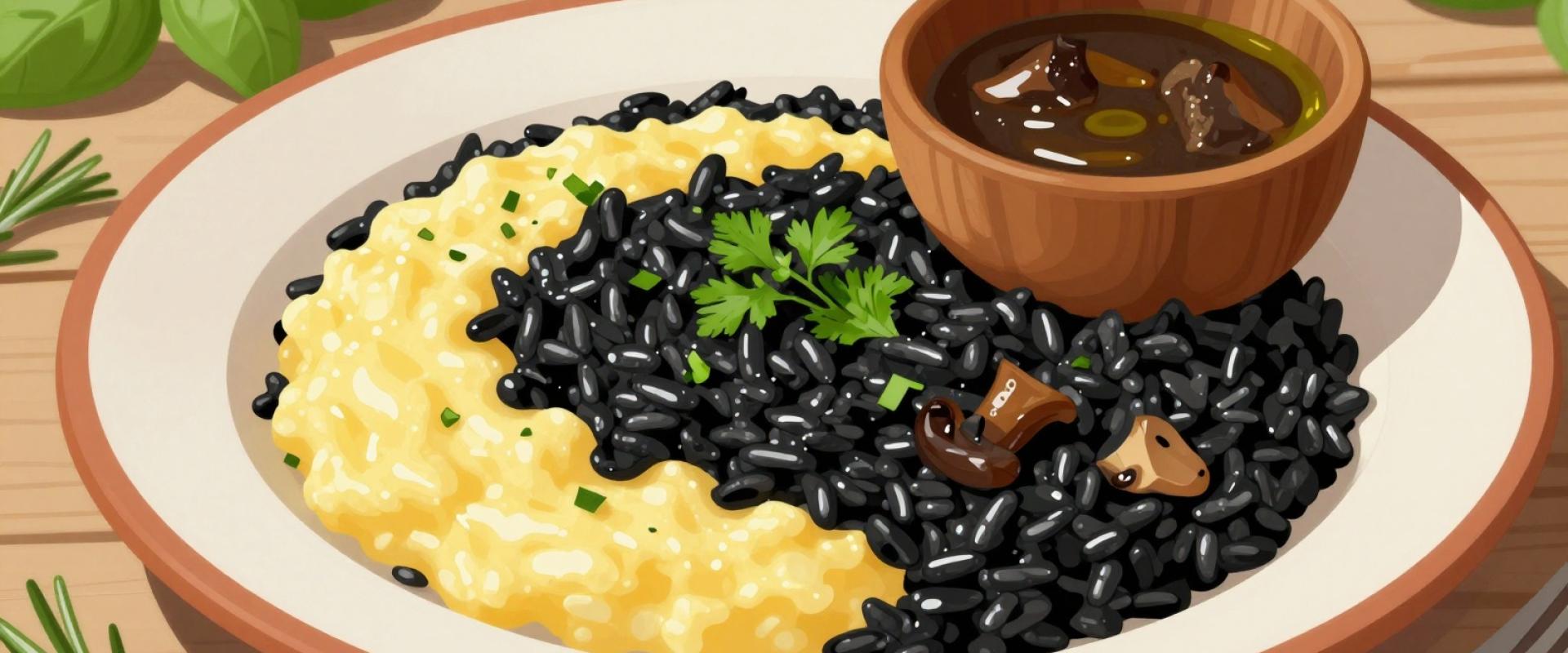
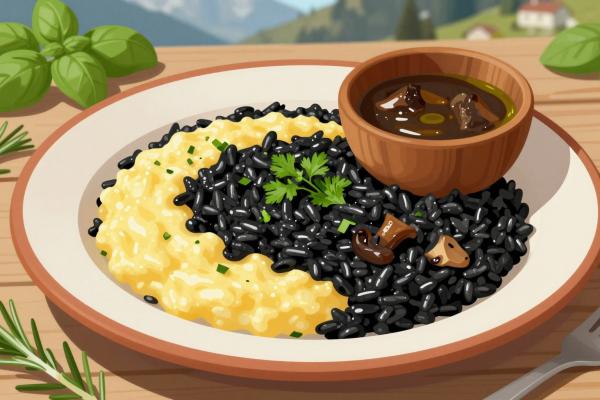
Polenta is the foundation of traditional Ticinese cooking. Made from corn flour and cooked slowly, often over a wood fire, it is served soft or sliced and grilled, with braised beef, venison stew, mushrooms or cheese. Risotto is just as central, and Ticino’s version is typically made with Merlot or with mushrooms, and often finished with butter and local cheese. Busecca, a hearty tripe and bean soup, and brasato, braised beef, belong to the old repertoire, as does the dessert torta di pane, a bread cake with raisins and almonds. Chestnuts, once a staple food in the mountain villages, appear in soups, desserts and sweet purées, especially in autumn.
Meat and cheese have their own place on the table. Local salami and the liver-based mortadella di fegato appear on mixed boards, and luganighe, the fresh pork sausage, is grilled or cooked with risotto. Soft fresh cheeses called formaggini, small mountain cheeses and the traditional zincarlin, a spiced cheese from the south of the canton, show the range of local dairy. Lake perch is served in fillets, often pan-fried in butter with sage, and trout is another regional fish. Wines come mainly from Merlot, the grape that Ticino made its own, planted on terraces and slopes around the lake; it is made as a red, and sometimes as a white wine pressed without the skins.
The place to try these dishes is a grotto, a stone-built tavern that grew out of the natural cellars cut into the rock and used to keep wine and food cool. Many of them are open from spring to autumn, with tables under chestnut trees, simple menus and local wine served in small ceramic bowls. In town, restaurants serve the same dishes in a more formal setting, and markets and delicatessens sell the ingredients for a picnic. Opening times and menus change with the season, so book ahead on busy weekends.
It suits food lovers, couples and families who want to taste the region rather than just see it. A good plan is a morning walk, a long grotto lunch and an afternoon on the lake.
Categories
More photos coming soon
Nearby Attractions
Other places to visit in Lugano

Lake Lugano
Alpine lake with Mediterranean villages and cruises
Natural Wonders · Boat Tours
Lugano Old Town
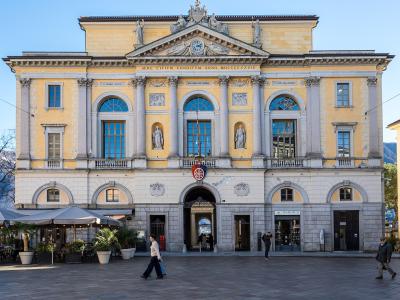
Historic piazzas and Renaissance frescoes
Cultural Experiences · History & Heritage

Monte San Salvatore
Panoramic views, hiking trails, and funicular ride
Natural Wonders · Mountains
Parco Ciani
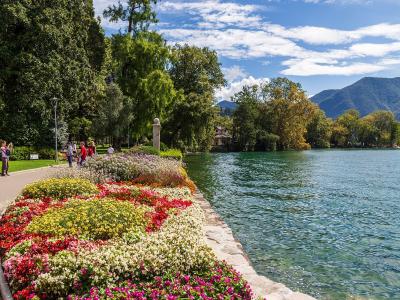
Lakeside park blending Italian gardens and wild woods
Natural Wonders · Urban Exploration
Questions people ask
Quick Facts
Best Time to Visit
April to October offers mild weather, blooming gardens, and ideal conditions for lakeside walks, outdoor dining, and exploring Lugano’s attractions.