







- Where
- Lugano, Ticino
- Directions
- Directions
Lugano's old town occupies the flat area between the lake and the hills, a short walk from the lakefront and linked to the railway station by a funicular that starts near Piazza Cioccaro. The city lies in Ticino, the Italian-speaking canton of Switzerland, and its old centre reflects that heritage: arcades, pastel façades, shuttered windows and café terraces recall northern Italy more than the Alpine German-speaking cities. Lugano was ruled by the Swiss Confederates from the early sixteenth century and became part of the new canton of Ticino in 1803.
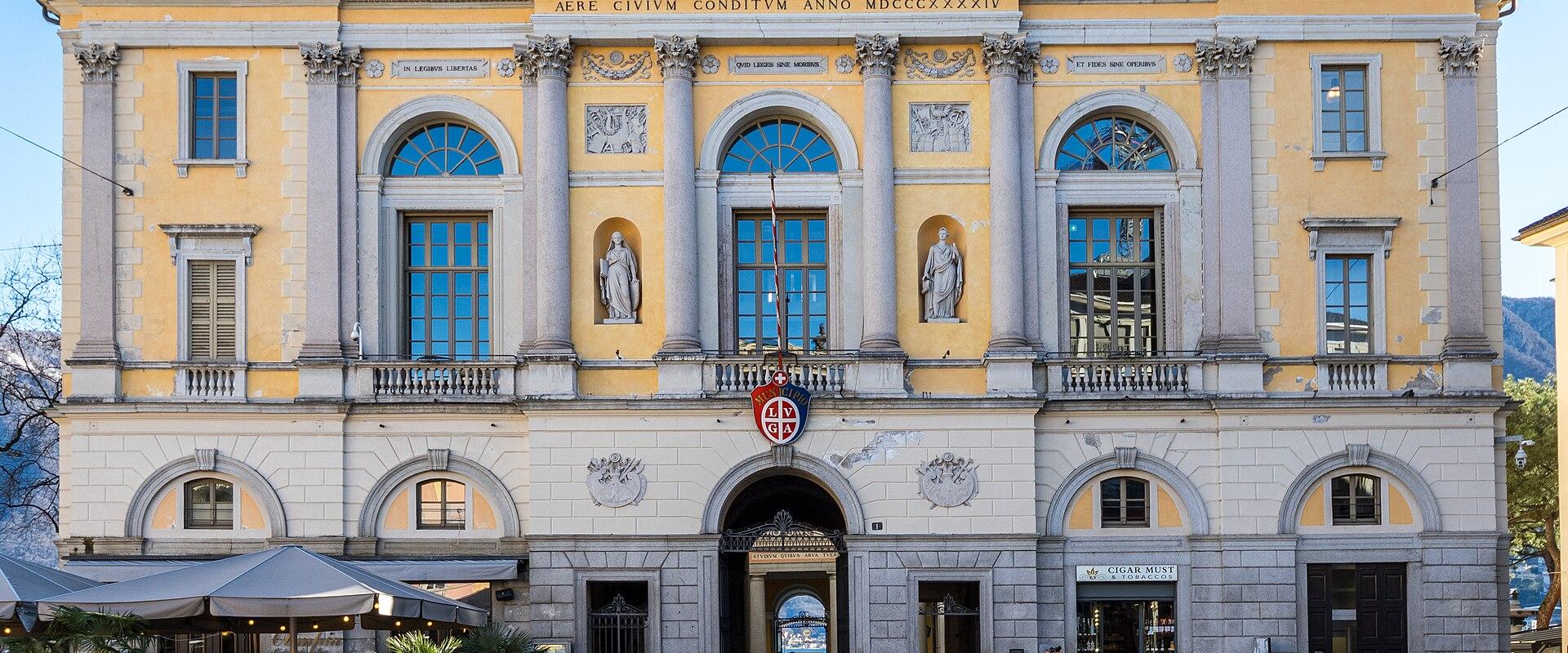
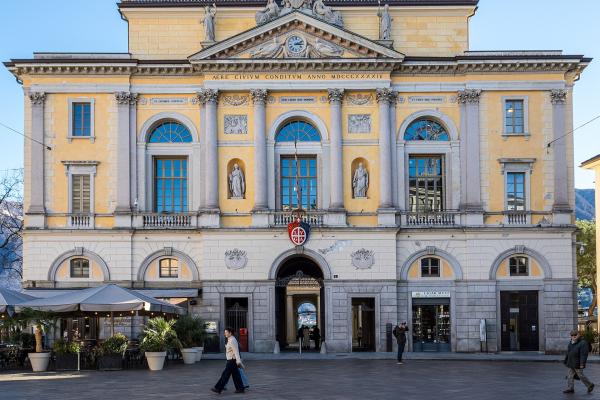
The main square is Piazza della Riforma, a large pedestrian space framed by cafés and by the Town Hall, the Palazzo Civico, a neoclassical building from the nineteenth century. The piazza serves as the gathering place for markets, festivals and open-air events through the year, and in good weather its terraces are busy from morning until late evening. From here, narrow streets lead in several directions. Via Nassa, a long arcaded street running toward the lake, is lined with shops, while Via Pessina and other lanes are also covered with porticoes, which keep walkers dry in rain and shaded in summer.
Churches form the cultural highlights. Santa Maria degli Angioli stands beside the lake and is known for its large fresco of the Passion and the Crucifixion, painted by Bernardino Luini in the early sixteenth century, a major work of Lombard Renaissance painting in Switzerland. The church once belonged to a Franciscan convent, and today it sits close to the LAC cultural centre, so a visit can combine historic art and contemporary performances in a short walk. The cathedral of San Lorenzo stands on a terrace above the old centre, and it dates in part from the Middle Ages, with a Renaissance façade of marble and a large piazza in front that offers a view over the roofs toward the lake. The Church of San Carlo Borromeo is another place worth a look.
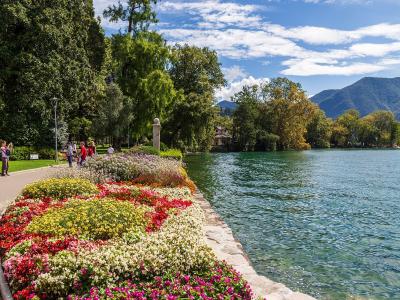
The funicular from Piazza Cioccaro takes you quickly up to the railway station on the hill, and the square itself, with its old houses and small shops, is one of the more characterful corners of the centre. From the lake, tree-lined promenades with palm trees and flowerbeds extend along the shore, and boat tours leave from the jetties for villages and viewpoints around Lake Lugano, including Gandria.
Wandering the old town is free, and shops and restaurants follow their own hours, with many shops closing on Sundays. The area suits couples, art lovers, shoppers and anyone who wants a taste of Italian-style city life without leaving Switzerland. Allow two to three hours for a stroll with stops at the squares and churches, more if you stay for a meal. Eating outdoors on the piazza and ordering a coffee or a glass of Ticino merlot is a typical way to round off the visit.
More photos coming soon
Nearby Attractions
Other places to visit in Lugano

Lake Lugano
Alpine lake with Mediterranean villages and cruises
Natural Wonders · Boat Tours

Monte San Salvatore
Panoramic views, hiking trails, and funicular ride
Natural Wonders · Mountains
Parco Ciani
Lakeside park blending Italian gardens and wild woods
Natural Wonders · Urban Exploration

Lakeside Promenade (Lake Lugano)
Scenic lakeside walkway along Lake Lugano shore
Coastal & Maritime · Natural Wonders
Questions people ask
Quick Facts
Best Time to Visit
April to October offers mild weather, blooming gardens, and ideal conditions for lakeside walks, outdoor dining, and exploring Lugano’s attractions.