
- Where
- Lugano, Ticino
- Directions
- Directions
The lakefront of Lugano has been the city's showpiece for well over a century, and understanding its history helps to explain why the promenade looks the way it does. Lugano was a modest town for most of its history, but its position changed with the opening of the Gotthard railway in 1882, which linked Ticino directly to the north and brought a wave of visitors. Hotels, villas and gardens spread along the shore, and the waterfront was laid out as a place for strolling, with a quay, flowerbeds and trees chosen to emphasise the mild climate. The tradition of the evening walk, the passeggiata, which is typical of Italian towns, took hold here, and it continues today.
The promenade is best thought of as a series of connected stretches, each with its own character. At the western end, near the district of Paradiso, the path passes hotels and small marinas, with the funicular to Monte San Salvatore rising behind. In the middle, the walk goes along the lake in front of the old town, past the landing stages where excursion boats leave and the open space of Piazza Manzoni, near the LAC cultural centre. To the east, the promenade enters the shade of Parco Ciani and continues toward the mouth of the Cassarate river and beyond. Walking the whole way takes an hour at a relaxed pace, and it is easy to shorten or lengthen the walk by turning back whenever you like.
The climate allows an unusual range of plants, with palms, magnolias, camellias and flowering shrubs that bloom early. The mountains on either side, San Salvatore and Monte Brè, frame the view and offer excursions for those who want height. On a clear evening the light turns the water and the slopes pink and gold, and many people sit on the benches or walls to watch it. Cafés with terraces along the way provide aperitivo, the early-evening drink and snack, and the smell of coffee and ice cream is a constant companion.
The promenade is as much a living space as a tourist attraction. Residents come to jog, walk dogs, push prams, meet friends and sit with a book, and the mix of languages, Italian, German, French and English, reflects the city's role as a financial centre and holiday town. Bicycles are allowed in some sections, though pedestrians have priority, and it is wise to respect posted signs. The path is level and suitable for wheelchairs and strollers, with ramps where necessary.
Entry is free at all hours, and the promenade is open year-round, though it is quietest in winter and busiest on summer evenings. It suits couples, families, joggers and photographers. Boat trips from the landing stages, to Gandria, Morcote and other lakeside villages, are a natural extension. Wear comfortable shoes, bring sunglasses and consider timing the walk for the late afternoon so that you can see the sunset and then have dinner in the old town. The best photographs of the mountains are usually taken in the morning, when the air is clear.
Categories

More photos coming soon
Nearby Attractions
Other places to visit in Lugano

Lake Lugano
Alpine lake with Mediterranean villages and cruises
Natural Wonders · Boat Tours
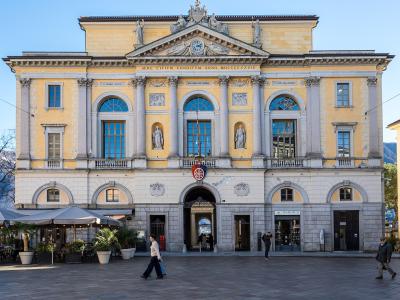
Lugano Old Town
Historic piazzas and Renaissance frescoes
Cultural Experiences · History & Heritage

Monte San Salvatore
Panoramic views, hiking trails, and funicular ride
Natural Wonders · Mountains
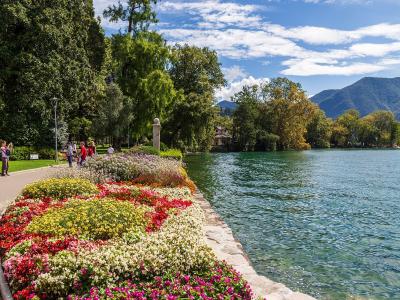
Parco Ciani
Lakeside park blending Italian gardens and wild woods
Natural Wonders · Urban Exploration
Questions people ask
Quick Facts
Best Time to Visit
April to October offers mild weather, blooming gardens, and ideal conditions for lakeside walks, outdoor dining, and exploring Lugano’s attractions.